 Jian Zhao
Quick Guide
- Why You Need a Guided Tour (Even If You Hate Tours)
- Best Time to Visit: Beat the Crowds and Heat
- What to Expect: Layout and Must-See Sections
- Shopping Survival Guide: Bargaining and Avoiding Fakes
- Where to Eat: Uyghur Food You Can't Miss
- How to Get There: Subway, Taxi, and Parking
- FAQ: Common Questions About the Bazaar
I've lost count of how many times I've walked through the arched gates of Xinjiang International Grand Bazaar. And every single time, I see the same thing: foreign tourists wandering around, looking overwhelmed, paying triple for a scarf they could have gotten for half the price. I'm not saying you must hire a guide. But if you want to leave happy instead of ripped off, a little insider knowledge goes a long way. Here's exactly what I tell my groups before we step inside.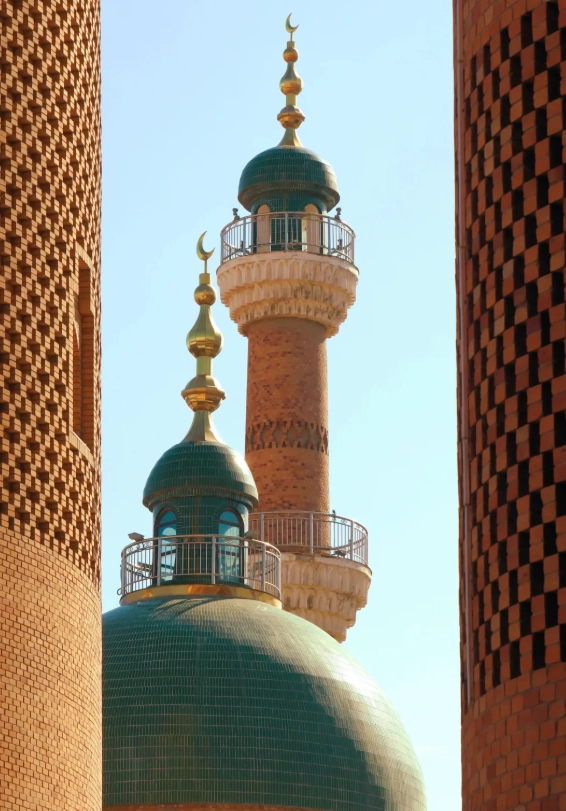
Why You Need a Guided Tour (Even If You Hate Tours)
I get it — the word "guided tour" sounds like you're being herded around with a group of strangers. But here's the thing: the bazaar is huge and deliberately disorienting. Shops look alike, and vendors will try to upsell you the moment they hear a foreign accent. A guided tour (or at least a solid self-guided plan) saves you time, money, and frustration. I've had clients tell me they saved hundreds of yuan just by knowing the right haggling phrases. Plus, you get access to workshops where artisans actually make the stuff — those are hidden from regular tourists.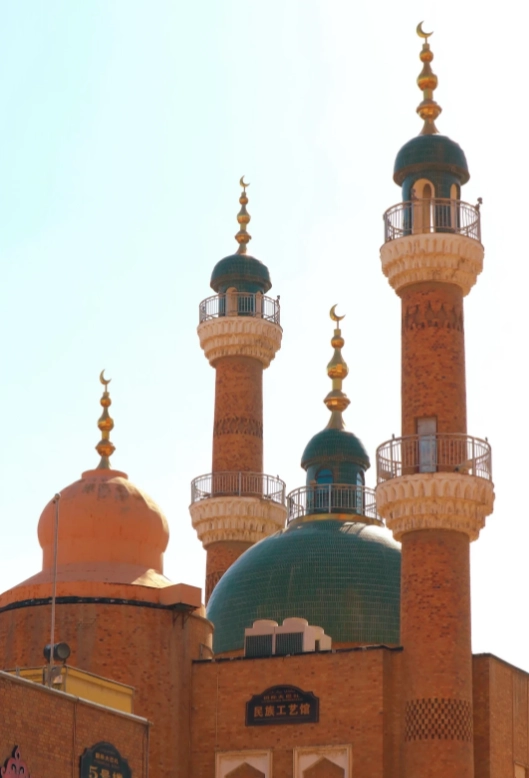
Best Time to Visit: Beat the Crowds and Heat
Timing is everything. Most tourists show up between 11 AM and 2 PM — worst possible window. The sun beats down, the narrow alleys get jammed, and vendors are less willing to bargain because they know you're in a rush.
My advice: Arrive at 9:30 AM (opens at 10, but security lets you in a bit earlier). The light is soft for photos, the air is cool, and you'll be the first to see fresh merchandise. By 11:30, when the tour buses roll in, you'll already be heading to the quieter sections. If you're stuck with an afternoon slot, come after 4 PM — the heat drops, and the golden hour makes the architecture pop.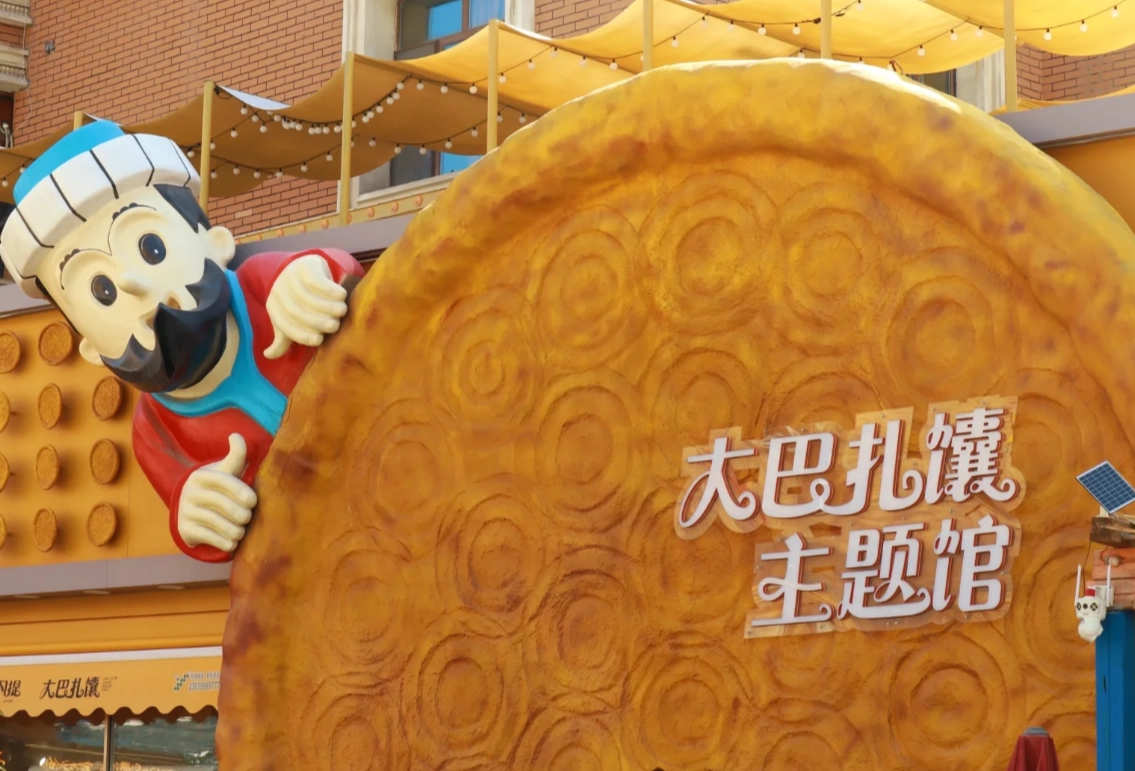
| Time | Crowd Level | Bargaining Power | Score |
|---|---|---|---|
| 10AM - 11AM | Low | High (vendors fresh) | Best |
| 11AM - 2PM | High | Low | Avoid |
| 2PM - 4PM | Medium | Medium | Okay |
| 4PM - 7PM | High but tolerable | High (vendors want to close sales) | Good |
What to Expect: Layout and Must-See Sections
The bazaar is divided into several zones. Here's the breakdown that matters.
The Main Square and Food Alley
Straight ahead from the south gate is the iconic central square — beautiful, but crowded with selfie sticks. I'd say spend no more than 10 minutes here. Instead, veer left into the food alley. It's a narrow corridor lined with sizzling lamb skewers and flatbreads. Grab a samsa (baked lamb pastry) from the stall second from the end — the one with the old Uyghur man who never smiles. His samsas are the best in the bazaar, I swear. Price: 5-8 yuan each.
Artisan Workshops (Behind the Scenes)
Most people miss this. Head to the second floor of the north building. You'll see open doors where metalworkers are hammering copper teapots, carpet weavers are knotting silk, and wood carvers are etching patterns. This is where you can buy directly from the maker — often 30% cheaper than the shop downstairs. I always tell my groups: "If you see dust on the floor, that's a good sign — it means they actually work here, not just display."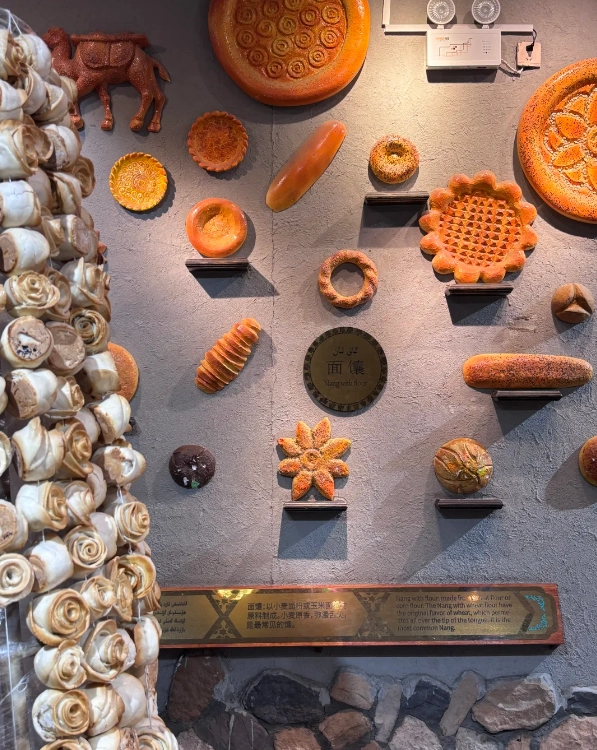
Shopping Survival Guide: Bargaining and Avoiding Fakes
Bargaining is expected. Here's the golden rule: start at 30% of the asking price, settle at 50-60%. But don't be aggressive — smile, show genuine interest. If the vendor says "no" and starts putting the item away, walk away slowly. They'll usually call you back.
Watch out for fake jade. Real Xinjiang hotan jade is expensive and heavy. If a "jade" bracelet costs less than 200 yuan, it's plastic or glass. Stick to handicrafts like embroidered hats (doppa), hand-woven carpets, and dried fruits (raisins, dates, walnuts). Those are genuine and affordable.
One more thing: bring small bills. Many stalls don't have change for 100s. And forget about credit cards — only cash or WeChat Pay (which you probably don't have). There's an ATM near the south entrance, but it often runs out of cash on weekends.
Where to Eat: Uyghur Food You Can't Miss
You can't leave without trying proper Xinjiang cuisine. Inside the bazaar, skip the touristy sit-down restaurants with glossy menus. Instead, head to the back alley stalls. My go-to spot: Uyghur Manti House (it has a yellow sign with Cyrillic script). Order steamed manti (dumplings) with yogurt sauce — 15 yuan for six pieces. If you're adventurous, try the horse meat sausage (though I admit it's an acquired taste).
For sit-down, Dolan Restaurant (second floor, east wing) has good laghman noodles and a view. Prices range 40-80 yuan per dish. They have an English menu with pictures. Just point.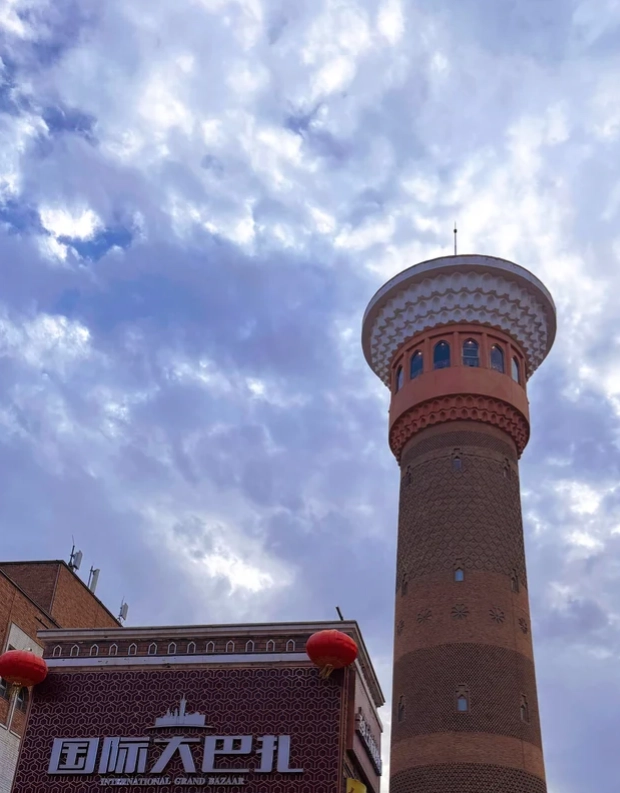
How to Get There: Subway, Taxi, and Parking
The bazaar is at No. 8 Xinhua South Road, Urumqi.
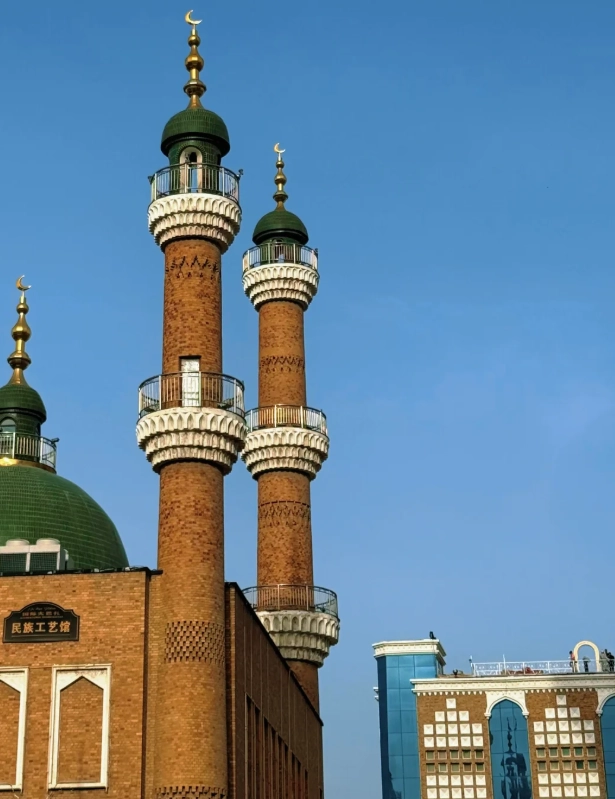
- Metro: Take Line 1 to Erdaoqiao station, exit A. Walk north for about 5 minutes — you'll see the minarets. (Cost: 4 yuan)
- Taxi: From downtown (e.g., Hongshan), about 15 yuan. Show the driver: "新疆国际大巴扎". Be aware that taxi drivers may try to take you to a different "bazaar" (carpet shop with commission). Insist on the real one.
- Parking: There's a parking lot under the north gate, 5 yuan per hour. Get there before 10 AM to find a spot.
FAQ: Common Questions About the Bazaar
That's the tour. Go in with this plan, and you'll walk out with great souvenirs, a full stomach, and money left over. And if you bump into me there — say hi. I'll be the guy eating a second samsa.





I was a bit skeptical about a “guided tour” at a bazaar, but this one made all the difference. Our guide, a local named Rahim, explained the history of each section and helped us avoid tourist traps. I bought two embroidered dresses and a copper teapot for prices that felt fair. The best part was learning about the craftsmen who actually make the goods – it added so much meaning to the purchases. If you want to shop smart and have a great time, do this tour.
One of the best market experiences I’ve had in all of Central Asia. The scale is mind-blowing – hundreds of stalls under one roof. I spent nearly four hours and still didn’t see everything. The tip about starting your bargaining at 30% of the asking price really worked. Picked up a handmade rug and some local honey for way less than I expected. The food section is also incredible; don’t skip the grilled meat and pomegranate juice. Five stars without a doubt.
Absolutely loved this bazaar! The colors, the smells, the energy – it’s like stepping into a different world. I joined the guided tour mentioned in the article and it was a game changer. Our guide showed us exactly which stalls had authentic handmade items and how to negotiate without being rude. I saved a lot on a beautiful silk shawl and a set of ceramic bowls. Highly recommend doing the tour first before wandering on your own!
Had a solid afternoon here. The variety of goods is impressive – from spices to rugs to local snacks. I grabbed some dried fruit and a small handcrafted cup. Prices were okay, though you definitely need to bargain. The food court upstairs has good lamb skewers and fresh naan. A bit crowded and loud, but overall a fun stop. Not a must-see, but enjoyable if you're in the area.
The market is massive and you can find almost anything, but I found the salespeople a bit too pushy for my liking. I got a decent scarf for a fair price after some haggling, but the constant pressure to buy took away from the experience. The architecture is lovely though, especially the domed ceiling. Worth a look, but be prepared to say no a lot.