 Jian Zhao
What You'll Find Inside
I've lost count of how many times I've seen tourists rush through the Xinjiang Regional Museum, only to regret missing the star exhibits. Or worse, they show up without a ticket and get turned away at the gate. Let me save you that headache. After leading dozens of groups through these halls, I've nailed down exactly how to plan your visit — and the short answer is: 2.5 hours is the sweet spot. But here's the catch — without the right strategy, you'll either run out of time or waste it on filler displays.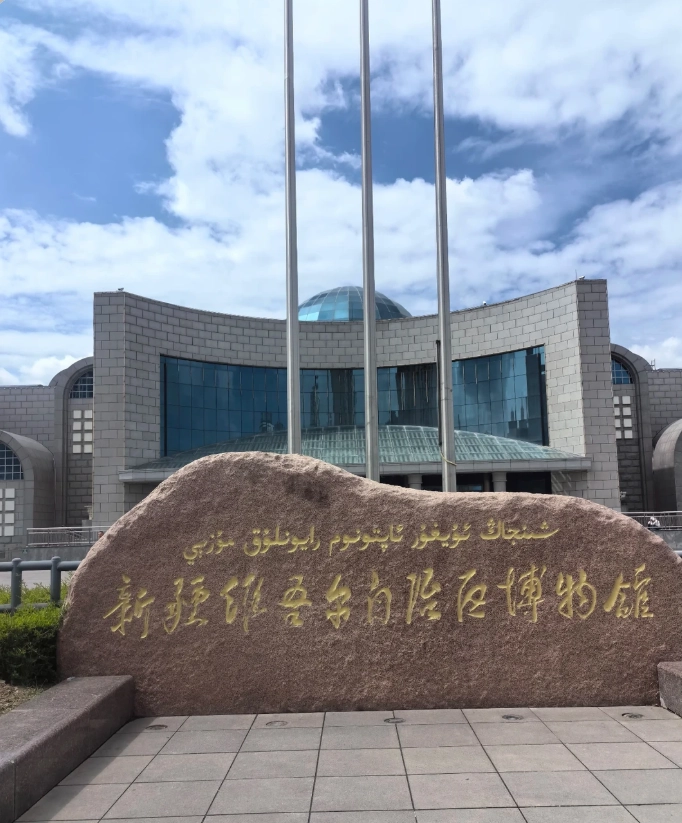
Why Timing Matters More Than You Think
Most online guides say "2–3 hours" and leave it at that. But your actual experience depends heavily on when you go. The museum gets packed between 11:00 AM and 2:00 PM, especially with school groups. If you arrive at noon, you'll be elbowing for a view of the Loulan Beauty. I always tell my clients: aim for the 10:00 AM opening slot or come after 3:00 PM. The difference is night and day — more space, better photos, and a calmer atmosphere.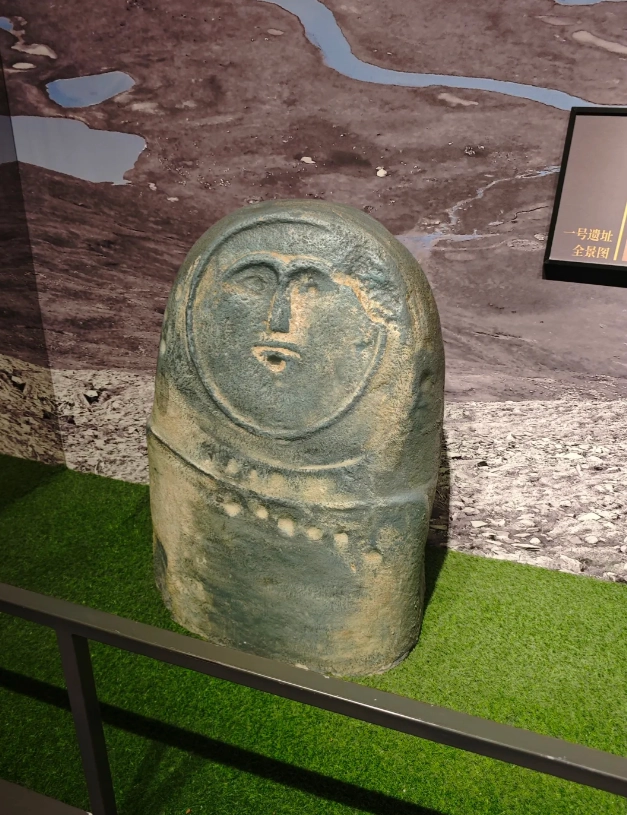
Getting Your Tickets Right (Before You Go)
Admission is free, but you must reserve a ticket online in advance. This is where many foreigners get stuck — the reservation system is a WeChat mini-program in Chinese only. Here's how to navigate it:
- Step 1: Open WeChat and search for "新疆维吾尔自治区博物馆" (Xinjiang Museum official account).
- Step 2: Click on the reservation menu (预约). You'll need your passport number.
- Step 3: Choose a time slot (e.g., 10:00–12:00, 12:00–14:00, 14:00–16:00). Slots are released 7 days in advance and often sell out on weekends.
Honest confession: Even I struggle with the mini-program sometimes. If you can't book, ask your hotel receptionist to help. Alternatively, show up at the ticket office with your passport — they may issue a physical ticket if slots remain, but this is not guaranteed.
| Detail | Information |
|---|---|
| Address | 132 West South Road, Saybagh District, Urumqi (乌鲁木齐市沙依巴克区西北路132号) |
| Opening Hours | Tuesday–Sunday: 10:00–18:00 (last entry at 17:00). Closed on Mondays (except public holidays). |
| Ticket Price | Free (reservation required) |
| Metro | Line 1, Xinjiang Museum Station (新疆博物馆站), Exit B — 3-minute walk |
| Bus | Routes 7, 51, 52, 68, 301 to "Museum" stop |
Breaking Down the Exhibits: What Deserves Your Time
The museum spans three floors with over 30,000 artifacts. Don't try to see everything. Focus on the highlights: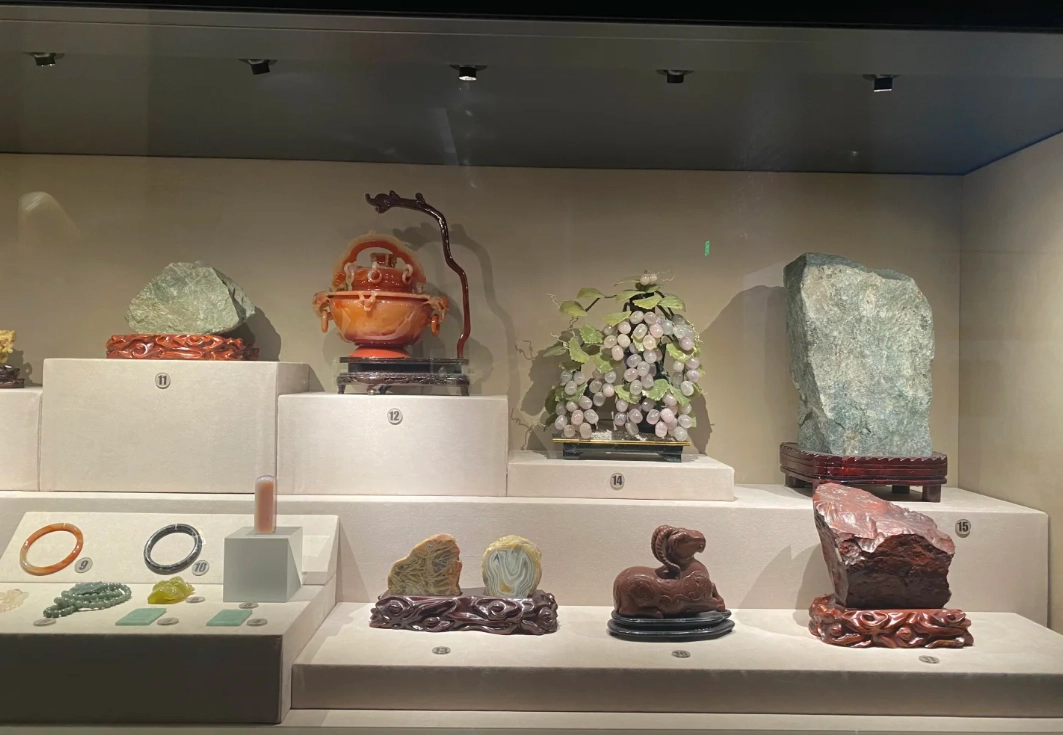
The Mummies and the Loulan Beauty
This is the crown jewel — naturally mummified bodies from the Tarim Basin, dating back 3,800 years. The Loulan Beauty (楼兰美女) is the most famous. Don't spend more than 20 minutes here — it's one room, and the crowd can get thick. Go early or late, and avoid the after-lunch rush.
The Silk Road Hall
This is where you'll spend the bulk of your time — easily 40–50 minutes. Exquisite silk fragments, Buddhist statues, and the famous "Sogdian Letter" (a trade document from the 4th century). I always point out the subtle details: the Roman glass beads mixed with Chinese jade — proof of global trade centuries ago.
The Ethnographic Wing
If you're pressed for time, skip this. It's interesting but mostly replicas of yurts and traditional costumes. I'd give it 15 minutes max, unless you're a cultural anthropology buff.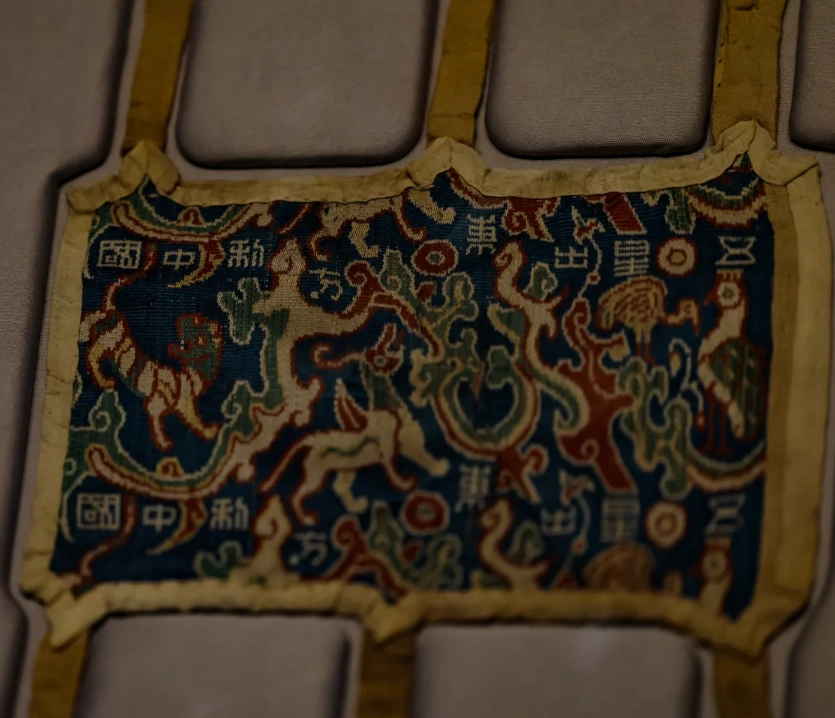
My Suggested 2.5-Hour Route
I've optimized this route to minimize backtracking and avoid crowds:
- Start on the 2nd floor (10 min): The introductory hall with regional maps and timeline. Don't linger — it's just context.
- Move to the mummy room (20 min): Hit this first while crowds are low. Stand at the back first to see the full room before approaching.
- Explore the Silk Road Hall (45 min): This is the core. Take your time. There's a video about the Silk Road that's worth 5 minutes.
- Brief stop at the ethnographic wing (15 min): Quick walkthrough, then head to the 1st floor.
- 1st floor temporary exhibits (30 min): These rotate regularly. My tip: check the museum's WeChat before visiting to see what's on.
- Museum gift shop (10 min): Not tourist-trappy — I've bought good camel-hair brushes here.
Time buffer: Add 15 minutes for bathroom breaks and photo stops. Total: ~2 hours 45 minutes.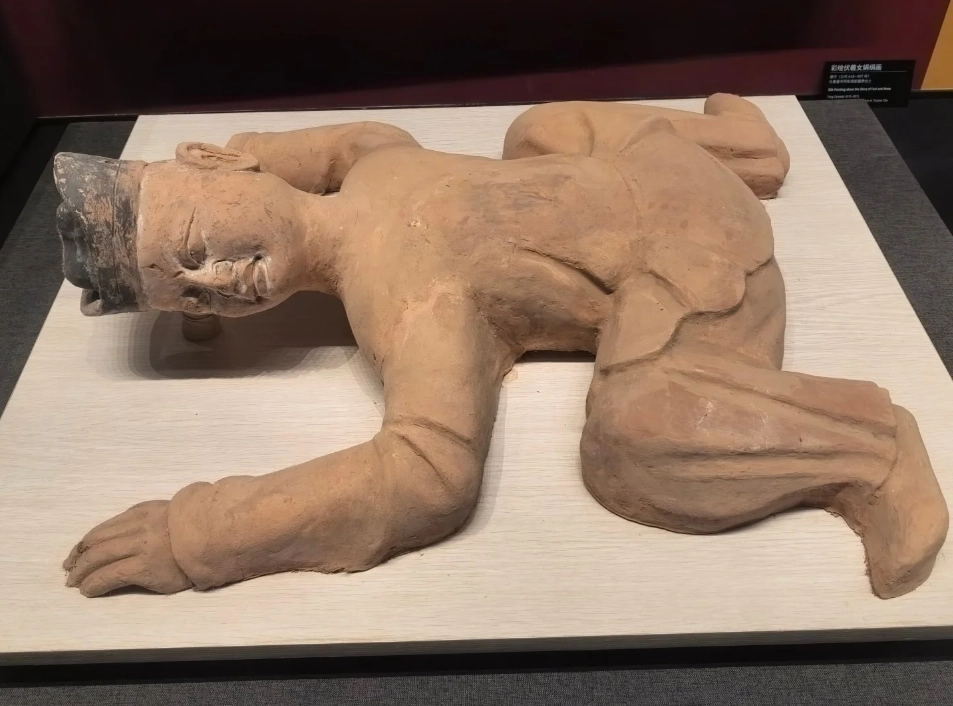
Common Mistakes Tourists Make (and How to Avoid Them)
- Mistake #1: Not booking tickets. I've seen three tour groups turned away on a Tuesday because they assumed walk-ins were fine. Book at least 2 days ahead.
- Mistake #2: Going at midday. The museum has no air conditioning in some halls (surprising, I know). Combine that with crowds, and you'll hate the experience. Go early or late.
- Mistake #3: Touching the exhibits. The mummy room has a strict no-touch policy. I've seen staff yell at tourists who lean in too close. Keep a meter distance.
- Mistake #4: Forgetting your passport. The museum checks ID against your reservation. A photocopy is fine, but original is safer.





Hands down one of the best regional museums I've ever visited. The exhibits are laid out chronologically and there's a real sense of journey through time. I loved the detailed descriptions next to each artifact. Bring a notebook—you'll want to jot down facts. Plan for at least three hours; you won't regret it.
As a travel photographer, this place is a goldmine. The lighting is perfect for shots of the ancient pottery and Buddhist murals. I spent three hours here and only scratched the surface. English audio guides are well done. Don't skip the second floor—the ethnic costume section is stunning. Five stars without question.
Absolutely fell in love with this museum! The rooftop cafe gives a great view of the city, and the Loulan artifacts are breathtaking. I stayed for nearly four hours and could have used more. Pro tip: go right when it opens to avoid the crowds. 10/10 would recommend to any history lover!
Really impressive collection of Xinjiang's history, especially the mummies and ancient clothing. I'd recommend at least 2.5 to 3 hours if you like reading every panel. The only downside was the cafe was closed when I went, and the gift shop felt overpriced. Still, a solid four-star experience overall.
I spent about 3.5 hours here and felt that was enough to see the main exhibits. The Silk Road textiles are incredible, but the lighting in some halls makes it hard to read the small English labels. A few interactive displays were broken too. Worth a visit, but don't expect a flawless museum experience.