 Hong Ma
What's Inside
I've lost count of how many times I've walked foreign friends through the gates of the Xinjiang Regional Museum. And almost every time, the first thing they say is: “This place is huge – where do I even start?” The permanent collection alone spans over 40,000 artifacts. Without a game plan, you'll either miss the mummies (the real highlight) or burn out before you reach the Silk Road section. So let me save you that headache. Here's your no-fluff map guide to the Xinjiang Regional Museum, built from years of leading tours.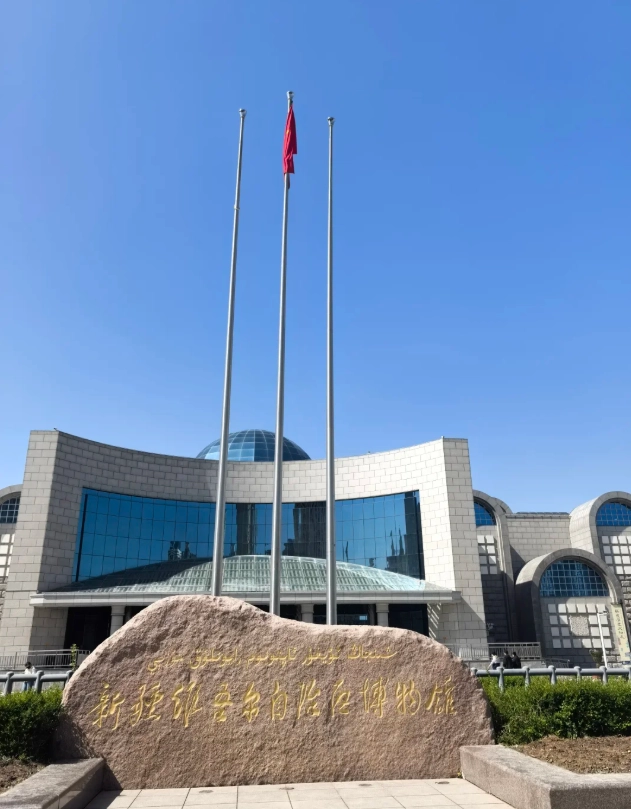
Why You Need a Map
The museum has three main floors and a basement (sometimes closed). The official map you grab at the entrance is in Chinese only – and the English audio guide skips a lot of exhibits. I always tell my guests: don't rely on the numbered arrows on the floor; they lead you in a loop that's easy to break out of. I've had groups spend 20 minutes walking past the Loulan mummies because they followed the arrows backward. So here is the catch: the map inside the brochure is misleading. Instead, use my mental map below.
Pro tip: Grab a free paper map at the information desk (left of the main hall). It's in Chinese, but I'll decode it for you.
Floor-by-Floor Breakdown
Ground Floor (G) – The Entrance Hall & Temporary Exhibitions
This is where you enter, buy tickets, and queue for security. But don't linger. To your left is the temporary exhibition hall – often about modern Xinjiang photography or ethnic costumes. I usually skip it unless I have an extra hour. The real treasures are upstairs.
First Floor (1F) – Ancient Corpses & Prehistoric Culture
This is **the** floor. The famous Xinjiang mummies (Loulan, Xiaohe, etc.) are here. The lighting is dim – not great for photos, but perfect for preserving the bodies. I always tell my guests: go straight to the “Ancient Corpses of Xinjiang” hall (Room 101). The mummies are in glass cases, and you can see individual strands of hair and fingernails. It's eerie and spectacular.
Watch out: The air conditioning here is blasting. Bring a light jacket even in summer.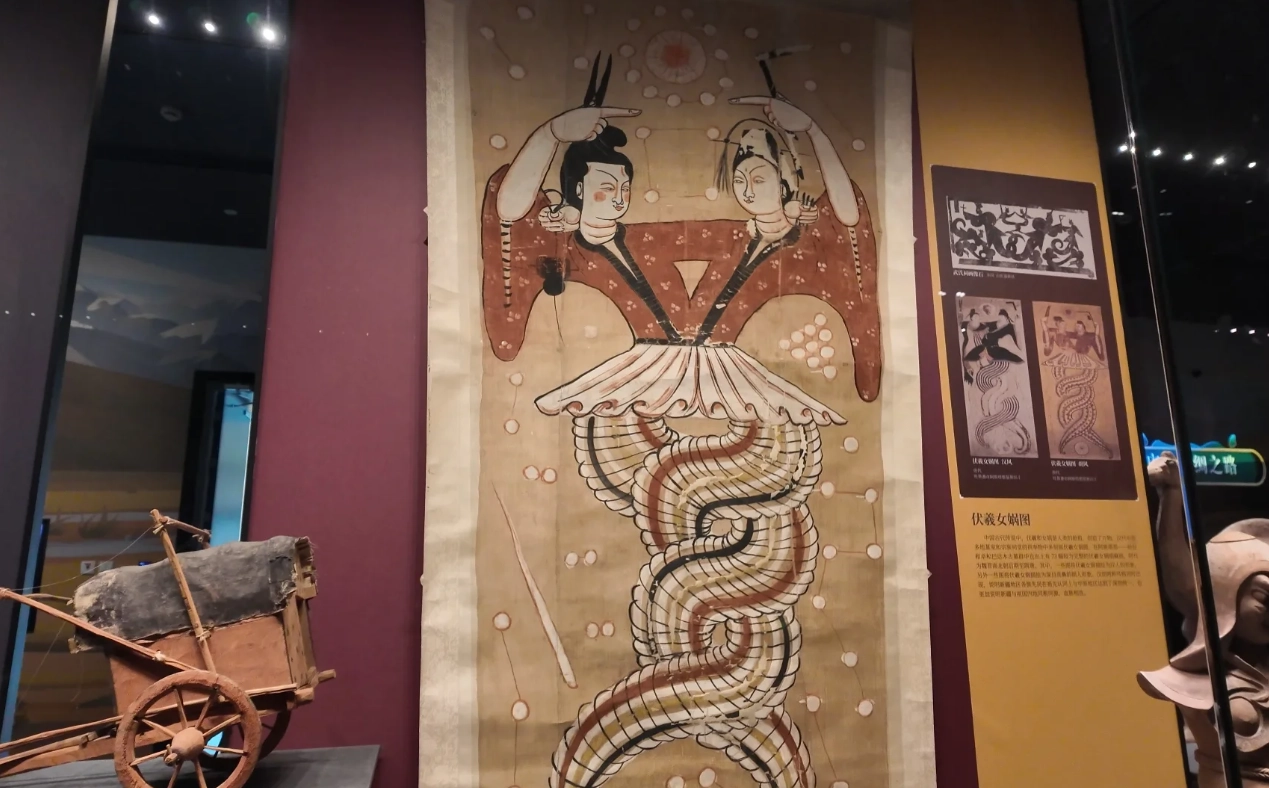
Second Floor (2F) – Silk Road & Ethnography
Up the stairs (or elevator at the far right) you'll find the Silk Road artifacts: ceramics, textiles, and Buddhist murals. The highlight is a fragment of a 1,500-year-old silk brocade with patterns that look almost modern. I always stop there for five minutes. The ethnography section showcases traditional costumes of Xinjiang's 13 ethnic groups. It's colorful but can feel like a textbook after a while. My advice: spend 40 minutes here, then head to the third floor.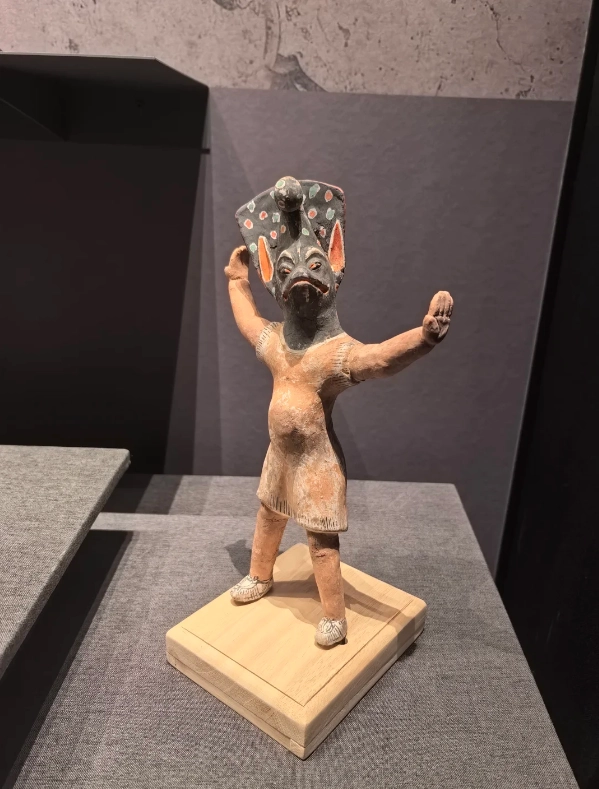
Third Floor (3F) – Modern History & Special Exhibits
Less crowded, but contains excellent scale models of ancient cities like Jiaohe and Gaochang. If you're planning to visit those ruins later, this floor gives you a great aerial perspective. Most tourists skip it, so it's quiet.
| Floor | Key Exhibits | Recommended Time | Note |
|---|---|---|---|
| G | Temporary exhibits, info desk | 10 min | Grab map here |
| 1F | Mummies, prehistoric tools, Bronze Age artifacts | 1.5 hours | Cold – bring jacket |
| 2F | Silk Road textiles, Buddhist murals, ethnography | 40 min | Lighting better for photos |
| 3F | Ancient city models, modern history | 30 min | Good prep for Jiaohe |
Must-See Highlights
- The Loulan Mummy: Room 101, center case. She's around 3,800 years old. Look at her facial features – still remarkably intact.
- The “Colored Felt” of the Xiongnu: Second floor, far-left corner. A rare piece of nomadic textile, not to be missed.
- The Buddhist Stele from Khotan: Second floor, near the mural replica. It shows Greek influence on early Buddhist art.
I always tell my groups: if you only have one hour, do the first floor mummies and then sprint to the second floor silk brocade. That's the best bang for your buck.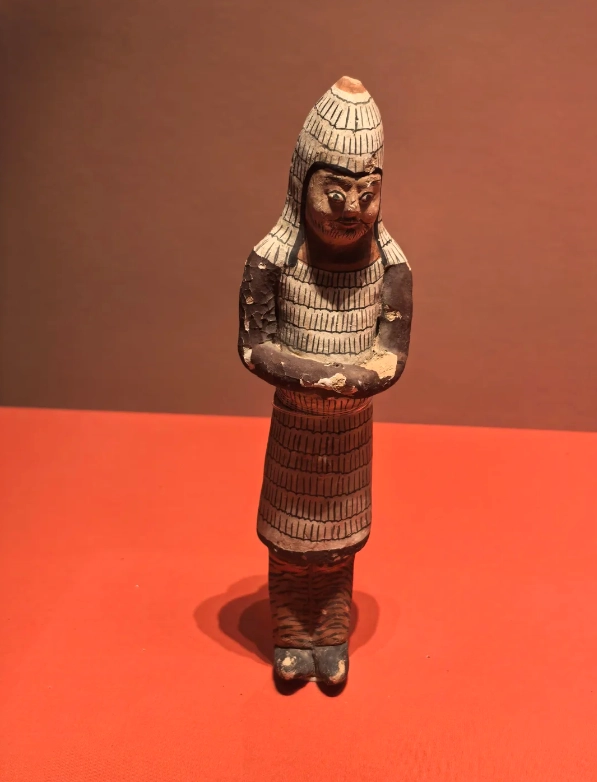
Ticket & Timing Hacks
Here's what most online guides won't tell you: tickets are free, but you must reserve a slot in advance via the WeChat mini-program. Yes, that's a pain. The mini-program is entirely in Chinese and requires a Chinese phone number to register. I've had foreign friends stuck outside because they couldn't figure it out. Solution: ask your hotel front desk to book for you using their phone number. Or use the English service on Trip.com (search "Xinjiang Regional Museum ticket").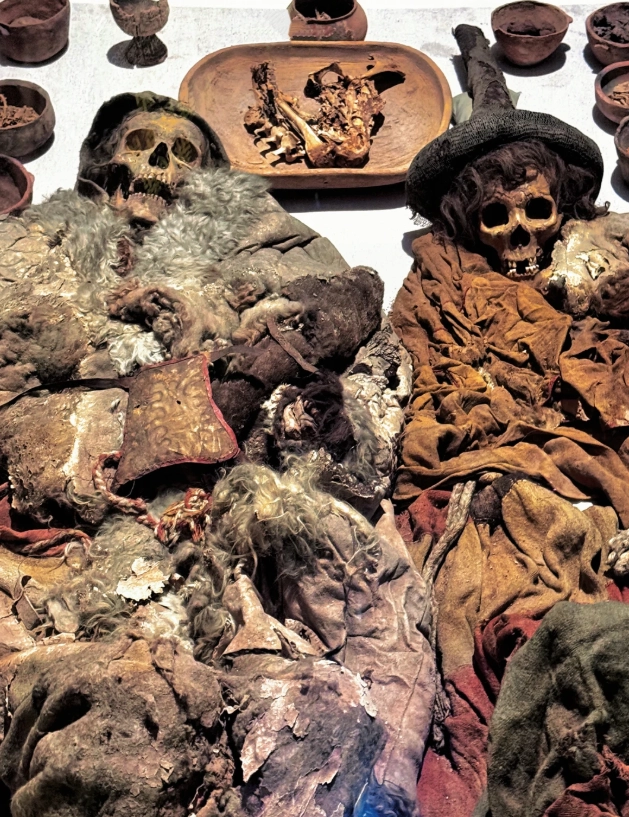
| Item | Details |
|---|---|
| Opening hours | Tuesday–Sunday: 10:00–18:00 (last entry 17:00). Closed on Mondays (except public holidays). |
| Ticket price | Free, but reservation needed. No charge for special exhibits (mostly). |
| Reservation window | Up to 7 days in advance. Same-day reservations sometimes available, but rare. |
| ID required | Passport number when booking. Bring passport for entry. |
| Best time to go | Arrive right at 10:00 to avoid crowds. The security line moves fast before 10:30. |
Getting There Without Headaches
The museum is at 132 West Yan'an Road, Saybagh District, Urumqi. The nearest subway is **Ürümqi Railway Station** on Line 1 (Exit C). But I recommend taking a Didi (Chinese Uber) directly – it's only 15–25 yuan from the city center. If you take the bus, routes 17, 907, or 912 stop at "博物馆站" (Bówùguǎn zhàn). Walk 5 minutes north to the entrance.
Note: There is no real parking lot for cars. Drop-off only. The taxi waiting area is chaotic – expect a 5-minute wait for pickup after your visit.
Quick Answers to Common Frustrations
This guide is based on dozens of personal visits and feedback from travelers. The museum's layout and ticket policy are periodically updated – always check the official website or ask your hotel before heading out.






Came here on a whim during a road trip across Xinjiang, and this map turned a quick stop into a two‑hour deep dive. The interactive overlay for the ancient textiles was genius. Five stars – even my kids loved following the map like a treasure hunt!
I’ve been to dozens of museums around the world, and this is one of the best exhibit maps I’ve ever used. It not only shows locations but also gives neat background stories for each display. Made my visit feel like a guided tour without the extra cost.
This map is an absolute lifesaver! I visited during Chinese New Year when the museum was packed, and it guided me through the crowds straight to the Lop Nur artifacts. Saved me at least an hour of wandering. Highly recommended!
Pretty good overall. The map helped me find the mummies quickly, which was my main goal. Only downside: the zoom on the digital version was a bit laggy on my phone. Still a solid tool if you're short on time.
I honestly expected more from a 'pro' map. The layout is clean, but it missed a few key exhibits, and I ended up walking in circles near the Silk Road section. Not terrible, but definitely not worth the hype for a museum this size.