 Jian Zhao
What's Inside
I've lost count how many times I've walked through those arched gates. First-timers? They usually freeze at the south entrance, overwhelmed by the swarm and the sheer noise. Here's the catch — the real bazaar starts the moment you step away from the tourist drag. Let me save you the rookie mistakes.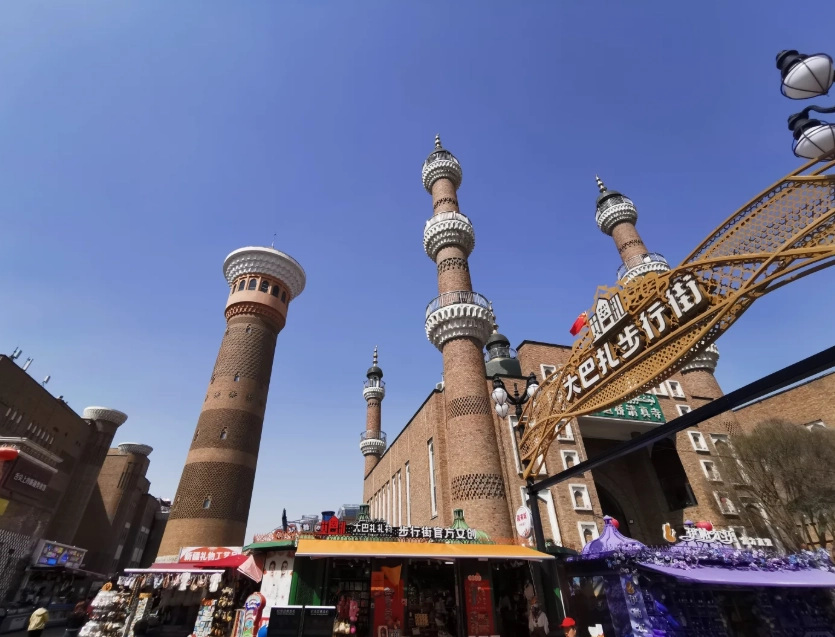
Where Is the Grand Bazaar and How to Get There
Address: No. 8, South Erdaoqiao Road, Tianshan District, Urumqi. But that's just on paper. The complex spans multiple blocks. The main building (the one with the iconic dome) is actually the Yindu (Silk Road) Market — locals call it Guoji Daba Zha in Chinese.
Subway vs. Taxi — Which Entrance to Pick
Take Metro Line 1 to Erdaoqiao Station, Exit C. You'll pop out right at the south gate — but steer clear during 10am–2pm if you value your sanity. The security queue there snakes under the Urumqi sun. Instead, walk 3 minutes east to the West Gate on Jiefang South Road. That's the locals' shortcut. No line, no fuss.
If you take a taxi, tell the driver to drop you at Xinjiang Minjie — a five-minute walk north of the bazaar. Reason: the main road outside the south gate is a traffic nightmare. You'll save 15 minutes of crawling.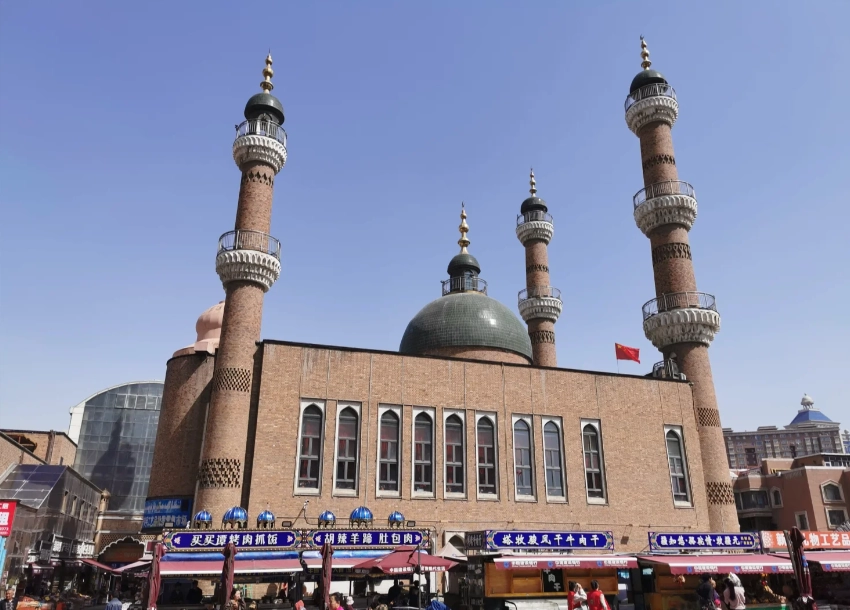
Best Time to Visit (Avoid the Crowds and Heat)
Most online guides say "go early morning." That's half-true. The bazaar opens at 10:00, but many shops only start rolling out goods by 11. My sweet spot: 4:00 PM to 7:00 PM. Why? The tour groups have left for dinner, the afternoon light is golden for photos, and the evening breeze kicks in. Plus, you can stay for the night market vibe outside.
What to Buy and How to Haggle Like a Local
The bazaar is a maze of carpets, knives, dried fruits, and knock-off brands. Here's what's actually worth your money:
- Xinjiang dried fruits (raisins, figs, dates) — sold by weight. Expect 30–50 yuan per kilo. The ones on the ground floor near the food court are fresher.
- Handmade knives — strictly for souvenir. You can't take them on flights. Most shops offer shipping, but double-check regulations.
- Silk scarves — the real silk comes from Hotan. Ask for Hetian silk, priced around 150–300 yuan.
Must-Try Foods Inside the Bazaar
You can't miss the skewers. But here's the pro move: skip the ones at the central square (overpriced and chewy). Head to the northwest corner of the second floor — a tiny hole called Laomao Yangrou Chuan. The lamb is tender, seasoned with cumin and chili, and costs 8 yuan per stick. I always order five.
| Dish | Location | Price | My note |
|---|---|---|---|
| Lamb skewer (kaowr) | 2F NW corner, Laomao stall | 8 yuan | Ask for extra cumin |
| Hand-pulled noodle (laghman) | B1 food court, Uyghur lady No. 7 | 20 yuan | Vegetarian option available |
| Naan bread | Main entrance vendor | 5 yuan | Get the sesame one, still warm |
| Yogurt drink (airan) | Any stall with a green sign | 6 yuan | Refreshing, slightly salty |
Practical Tips for Foreign Travelers
Payment nightmare: Most vendors accept WeChat Pay and Alipay. International credit cards? Forget it. Even the ATM inside often rejects foreign cards. Solution: bring enough cash (yuan) for small vendors. Or, ask a local friend to scan the QR code and you reimburse them. Yes, it's a hassle. I've had clients stuck with a full cart and no cash. Don't be that person.
Toilet alert: The public restroom near the south gate is grim. Use the one on the second floor near the food court — cleaner and has a attendant (tip 1 yuan).
Language barrier: English is rare. Download a translator app (Baidu or Google) and learn a few Uyghur phrases: Rahmat (thank you), Ne met bar? (how much?).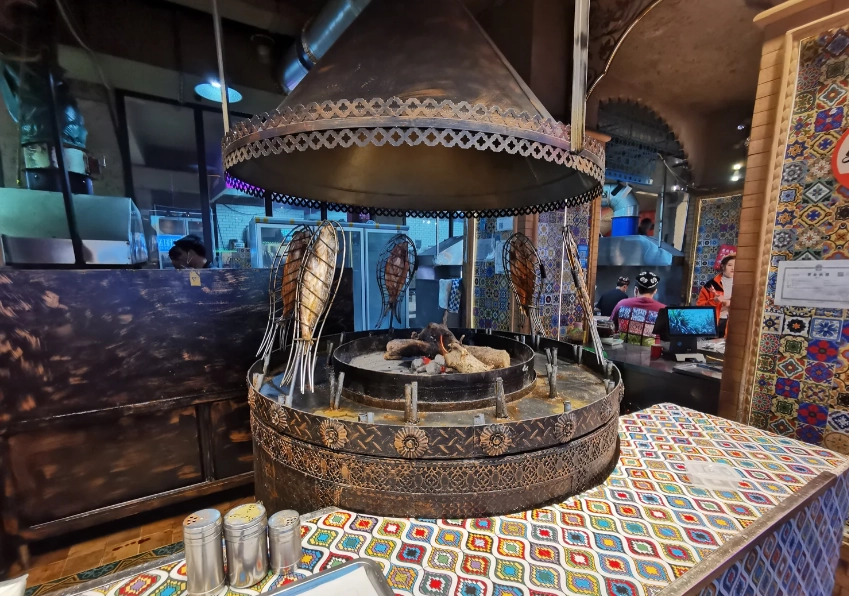
Common Mistakes to Avoid
- Wearing shorts: It's a conservative area. You'll get stares. Light trousers or long skirts are fine.
- Taking photos without asking: Some vendors get angry. Always gesture first. For people, a smile and a nod work.
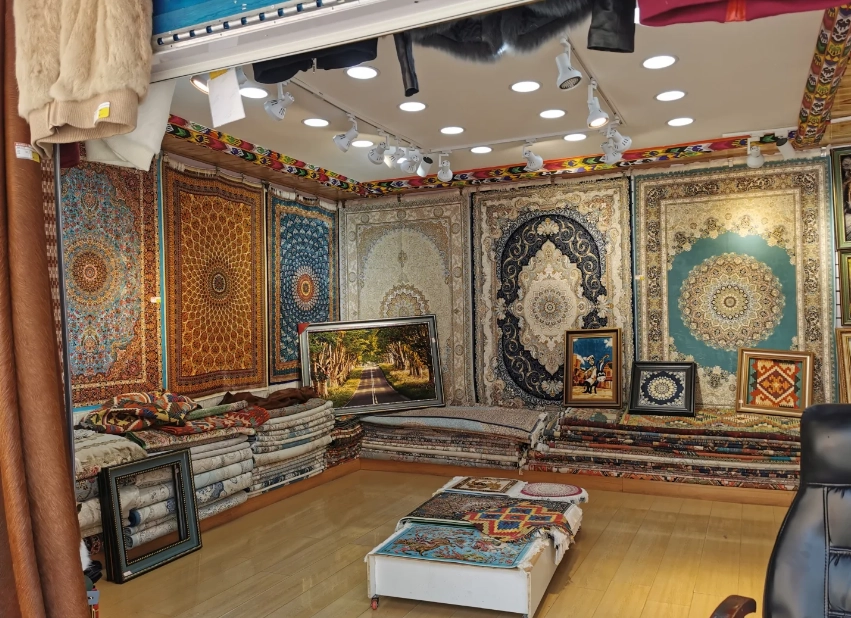
- Believing the "free tea" invitation: That carpet shop on the third floor offers tea, then pressure-sells for an hour. If you're not buying, politely decline.





Honestly, I was expecting more. Yes, it's big and colorful, but many stalls sell the same mass-produced trinkets. The salesmen are extremely pushy — one guy followed me for three aisles trying to sell a camel bone carving. The food court was okay but overpriced. Maybe I'm just not a bazaar person. For a quick photo stop it's fine, but don't plan a whole day.
Good overall experience but felt a bit overwhelmed by the crowds — mid-summer Saturday might not have been the best choice. The variety of goods is impressive, but prices are clearly inflated for tourists. I still managed to bargain for a decent leather bag and some nuts. The Uyghur music performance near the food court was a nice touch. Would suggest going early on a weekday.
Architecture alone is worth the visit. The intricate tile work, massive arches, and central square are a photographer's dream. I took hundreds of shots without even stepping into the shops. The lighting around late afternoon is magical. Only downside: some areas were a bit crowded, but that adds to the lively vibe. Highly recommended.
If you love bargaining and unique souvenirs, this is your paradise. I spent four hours here and only saw half of it! Picked up embroidered hats, spicy spice mixes, and a gorgeous hand-painted ceramic plate. The vendors are friendly if you haggle with a smile. Just bring cash — some stalls don't take cards. Can't wait to come back!
Absolutely blown away by the scale and energy of this place! Found the most beautiful handwoven carpets and even watched a craftsman hammering copper pots. The aroma of grilled lamb skewers mixed with dried fruit stalls is intoxicating. Don't miss the rooftop view at sunset — the mosque domes and minarets glow gold. 100% a highlight of my Urumqi trip.