 Jian Zhao
What's Inside
I've brought dozens of groups to the Xinjiang Regional Museum over the past six years. And honestly? The opening hours info out there is outdated or just plain wrong. Last month a family from Germany showed up at 5:30 PM on a Monday — closed. Let me save you that headache.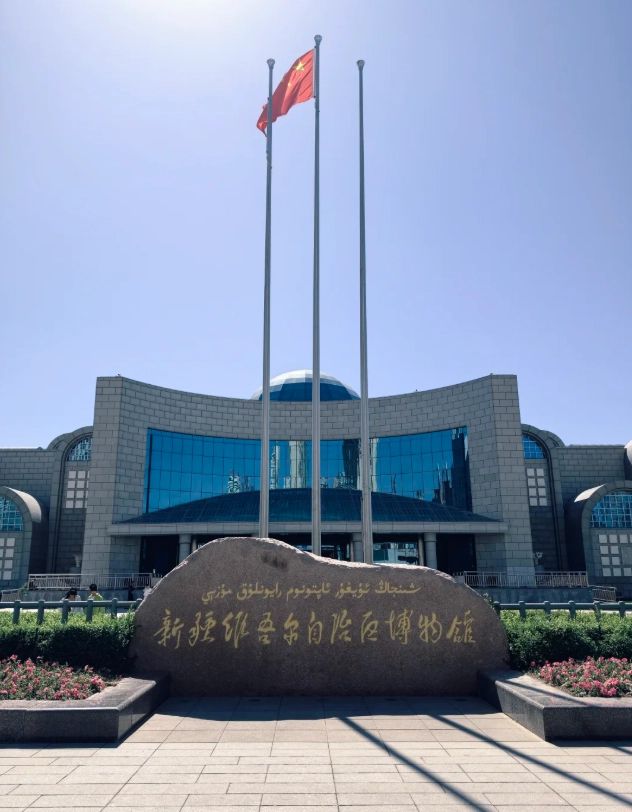
Real Opening Hours (Not What You Read Online)
The museum is open Tuesday to Sunday (don't even think about Monday). Here's the exact schedule I rely on:
| Day | Opening Hours | Last Entry |
|---|---|---|
| Tuesday – Sunday | 10:00 – 18:00 | 17:00 (they stop letting people in) |
| Monday | Closed (cleaning & maintenance) | — |
| Public Holidays | Usually normal, but check the official WeChat account | — |
Seasonal Changes?
Nope. Winter and summer hours are the same. Unlike some museums in China, they don't have a summer evening extension. So 10–6 is it, year-round.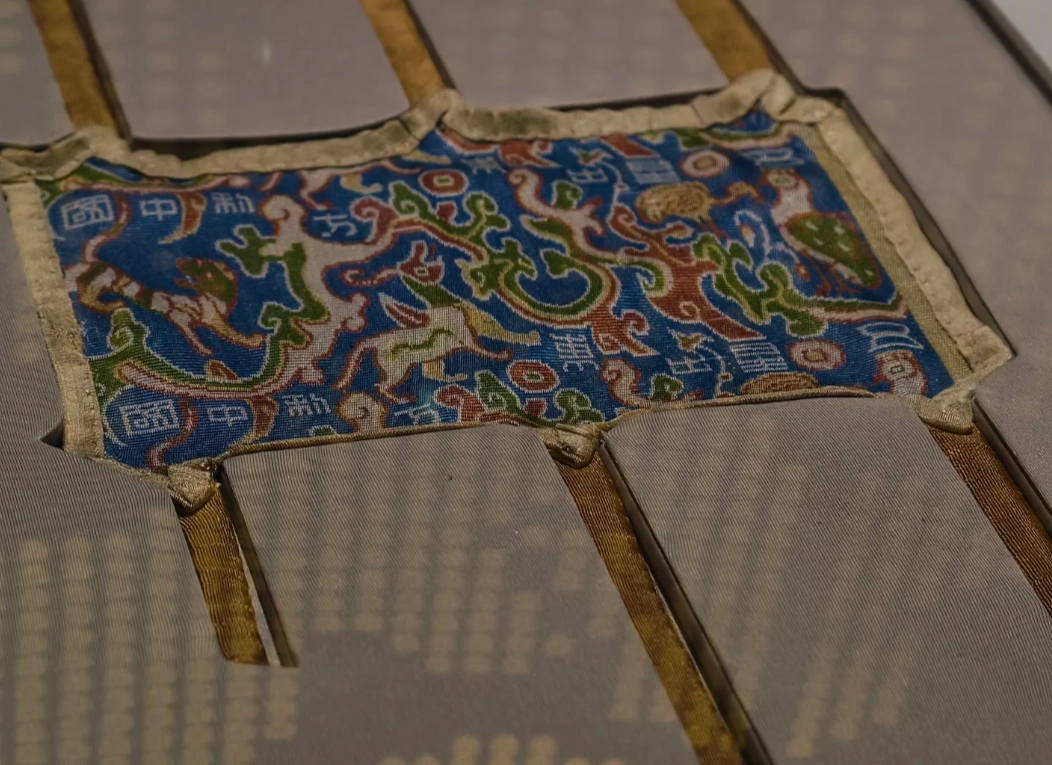
How to Book Tickets Without the WeChat Nightmare
Most guides tell you to use the official WeChat mini-program. And yes, that works — if you read Chinese. For foreigners, it's a pain. Here's the workaround I've used a hundred times:
- Option 1: Ask your hotel reception or a local friend to book for you. They scan the QR code, select the date, enter your passport number. Takes 2 minutes. Don't be shy — this is normal in China.
- Option 2: Show up early. There's a small window of 50 tickets (the number fluctuates) reserved for walk-ins. Arrive by 9:45 AM, go to the manual counter with your passport. On busy days those tickets vanish by 10:15.
Price? Free for all visitors. Yes, free. But you still need a ticket (either digital or physical walk-in). Bring your passport.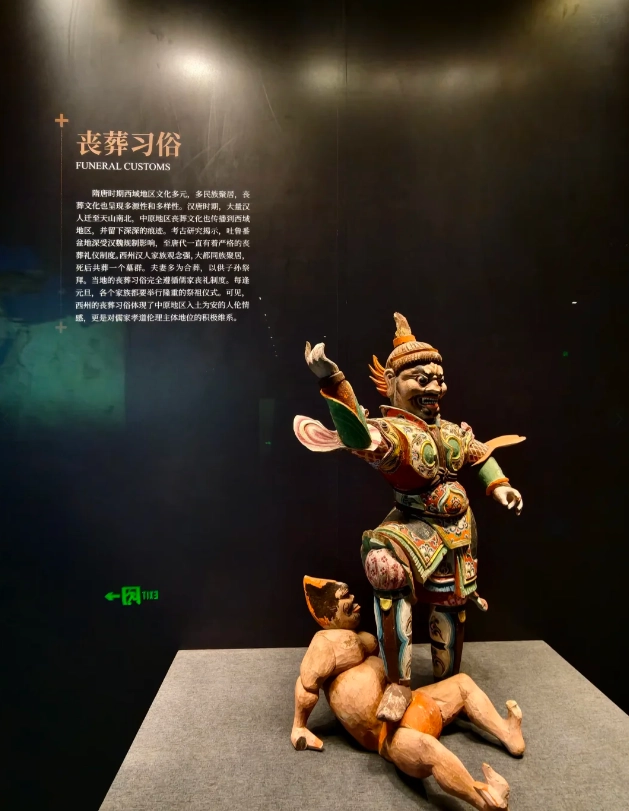
Best Time to Visit: When I Go With My Clients
Between 10:00 AM and noon, the museum is flooded with school groups. Noisy. Crowded. Not ideal. I always tell my groups: come at 2:30 PM. Why?
- School groups leave by 1:30 for lunch.
- The afternoon light hits the mummies exhibit just right — no glare on the glass cases.
- You have a solid 3 hours before last entry at 5 PM. That's enough to see everything without rushing.
If you absolutely must come in the morning, aim for 10:30 after the first wave of buses. But honestly? 2:30 is golden.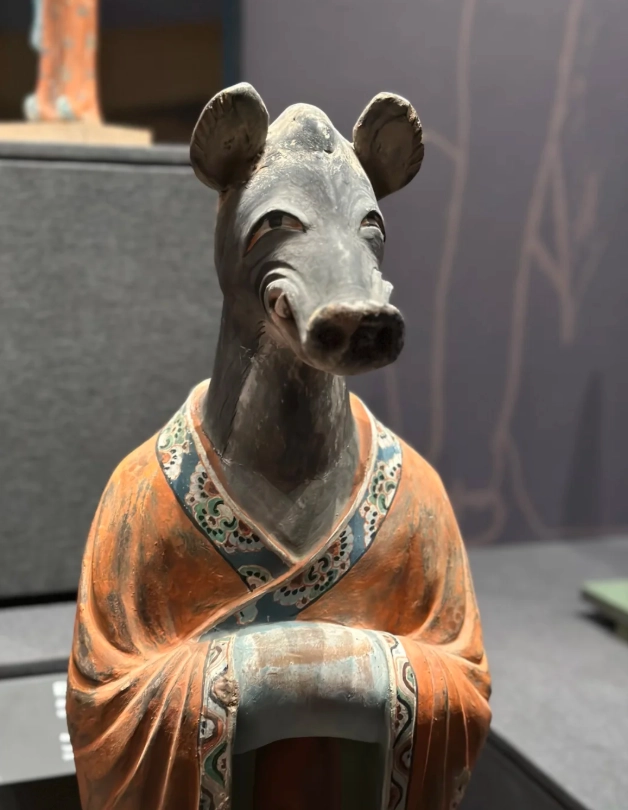
Getting There: The Entrance Most Tourists Miss
Address: No. 126, Xibei Road, Saybagh District, Urumqi. Easy. But here's the catch: don't enter through the main gate near the road. That's the old entrance, now only for staff. The visitor entrance is around the back, facing the parking lot. Just follow the signs that say "Visitor Entrance" — or better, ask a local: "Bowuguan renkou zai nali?" (Where's the museum entrance?)
By Metro: Line 1, get off at Bajiahu Station, Exit B2. Walk straight north for 8 minutes. You'll see the big building with the dome. That's it.
By Taxi/DiDi: Tell the driver "Xinjiang Zizhiqu Bowuguan" (新疆自治区博物馆). Should cost about 15–25 RMB from city center.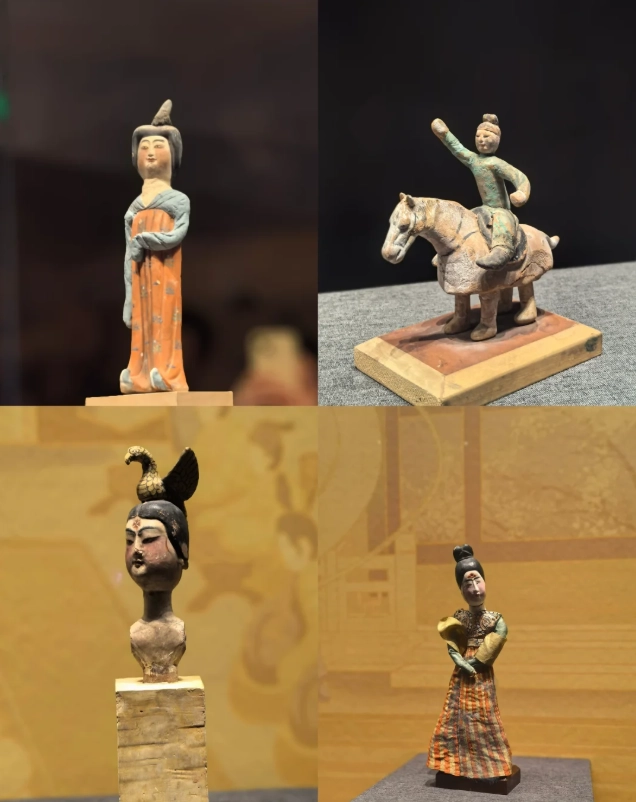
What to See First (and What to Skip)
You've got maybe 3 hours. Don't waste time on the temporary exhibits on the ground floor (usually underwhelming). Head straight to:
- Second Floor: The Mummies of the Taklamakan Desert. This is the star. Not only the famous "Loulan beauty" but also dozens of naturally preserved mummies with intact clothing. Cool and eerie. You'll need 45 minutes minimum.
- Third Floor: The Silk Road Hall. Massive map, artifacts from various dynasties. The Buddhist fresco fragments are spectacular.
- First Floor: Ethnic Costumes Exhibition. Vibrant, but if time is tight, skip it. It's mostly mannequins.
One thing I always mention: no photography in the mummy room. Guards will yell at you. Put your phone away. Other halls allow photos without flash.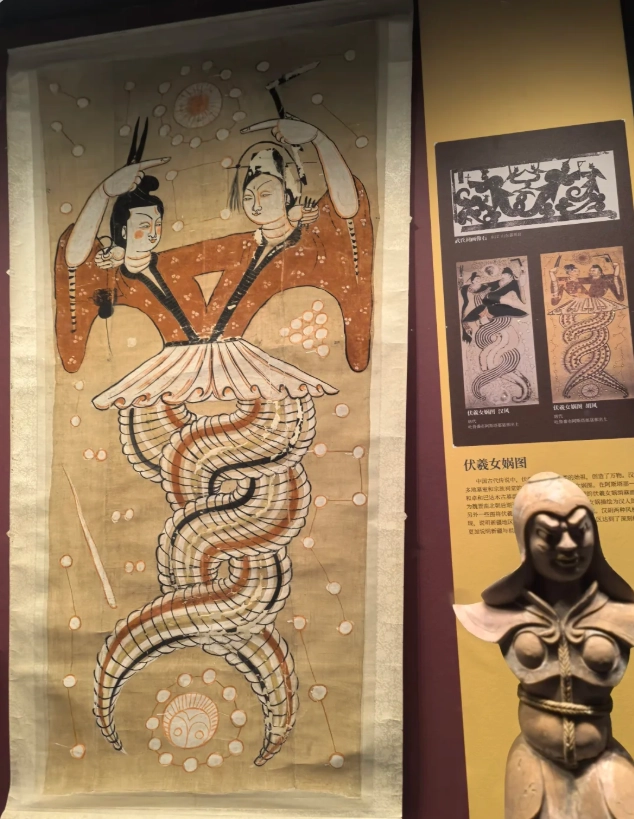
FAQ: Your Last-Minute Questions Answered
Verified and fact-checked by the editorial team. This content has been fact-checked to ensure informational precision.
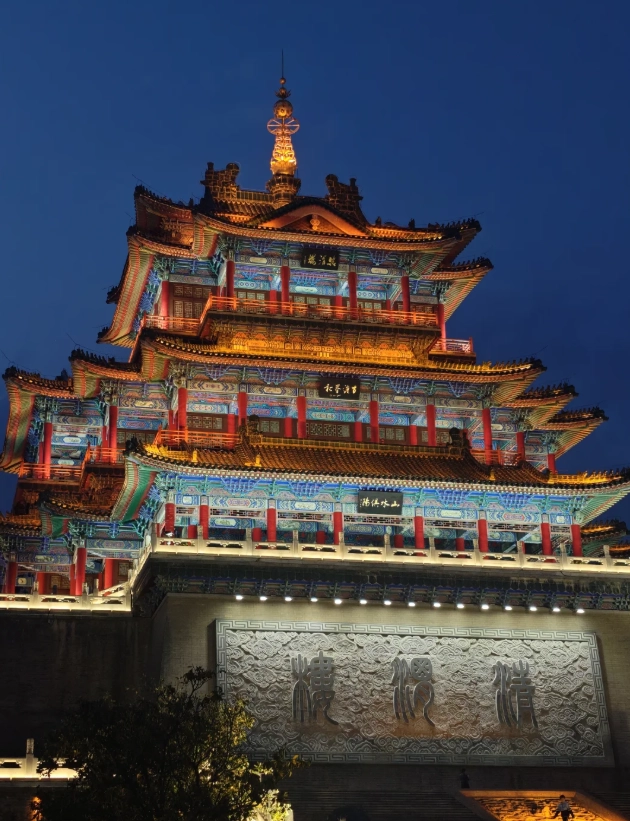
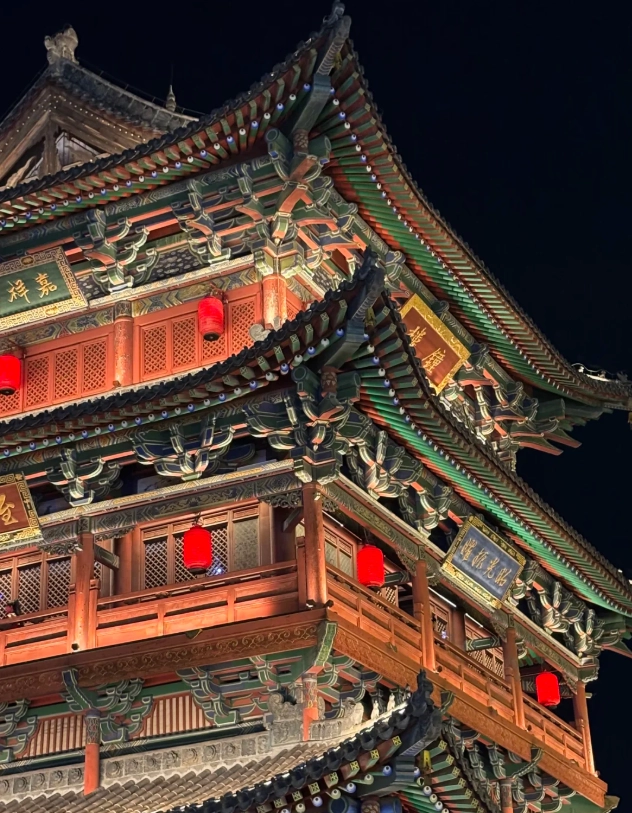





This is the kind of museum you dream about if you’re fascinated by Central Asian ancient cultures. I came specifically for the Xinjiang mummies and the Kizil Cave replica murals, and neither disappointed. The Egyptian-like mummies from the Xiaohe cemetery are hauntingly beautiful—one still has eyelashes! The museum does a great job contextualizing the finds with environmental reconstructions. Clean restrooms, gift shop with decent postcards, and the opening hours (10:30–19:00 through October, closed Mondays) gave me plenty of time. The only tiny flaw was that the audio guide ran out of battery on my unit, but staff replaced it immediately. Absolutely worth a half-day trip. Five stars without hesitation.
Exceeded every expectation! As a casual tourist, I wasn’t sure what to expect, but this museum completely blew me away. The scale of the collection is huge—covering everything from prehistoric tools to 19th-century embroidered robes. The 'Silk Road Panorama' diorama is beautifully done, and the interactive digital screens (in both Chinese and English) gave great context. It’s well-organized, and the main corridor is wide enough even when school groups come through. I especially liked the outdoor courtyard with its Uyghur-style pavilion—perfect for a short break. Admission is free, but you need to book a slot online (QR code at the entrance). Pro tip: go right at 10:30am to avoid the midday rush. Highly recommended!
Hands down the best museum I’ve visited in China! The Xinjiang Regional Museum is an absolute gem. I spent over three hours here and still felt like I missed half of it. The highlight for me was the Xinjiang mummies exhibition—the preservation is mind-blowing, and the detailed timeline of the Taklamakan desert civilizations is superbly curated. The staff at the information desk were friendly and even gave me a little map with recommended routes. Free entry (just bring your passport) and very manageable crowds on a weekday morning. If you’re a history nerd like me, don’t miss the third floor’s woven textiles and Buddhist relics. 10/10 experience!
A solid four-star visit. The collection is rich—especially the section on the ancient Silk Road kingdoms, with those incredible painted clay figurines and the famous 'Loulan Beauty' mummy. Clear English labels exist for major pieces, but some smaller artifacts only had Chinese descriptions, which made it tricky for non-Chinese speakers. The building itself is modern and clean, and the air conditioning was a lifesaver in summer. One downside: the café was closed when I visited (around 2pm), so bring your own water. Overall, a worthwhile stop if you’re in the city center.
I really wanted to love this museum, but the experience fell a bit flat. The exhibits on Xinjiang’s history and cultures are genuinely fascinating—especially the mummies and silk fragments—but the lighting in several halls was way too dim, and some display cases had annoying glare. Also, despite arriving right at opening time, the queue for tickets took nearly 30 minutes because only two counters were open. The staff seemed overwhelmed and not very helpful. For a provincial museum of this caliber, the layout feels dated and a bit cramped. I’d still recommend it if you’re into archaeology, but lower your expectations on comfort.