 Peng Gao
Quick Guide
I’ve lost count of how many tourists I’ve seen melting in the Urumqi sun, queuing outside the museum at 1 PM. The real deal? The best time to visit Xinjiang Regional Museum isn’t just about seasons—it’s about hours, crowd flow, and avoiding the digital ticket nightmare. If you only have one day in Urumqi, here’s the short answer: plan for a weekday morning in May or September, and arrive before 10 AM. Now let me break down why.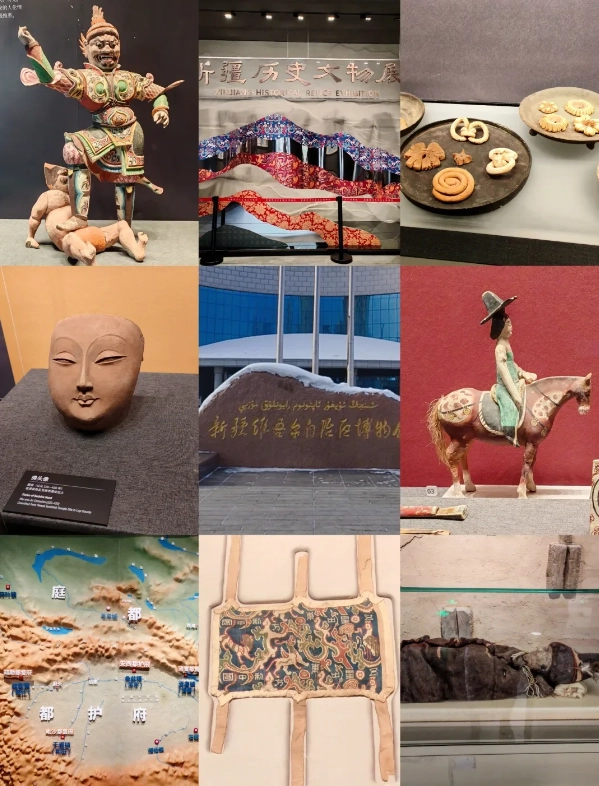
Why Timing Matters for the Xinjiang Regional Museum
You might think “any time is fine,” but the museum is a top attraction in Urumqi, and it gets packed. During summer school holidays, lines snake around the block. The museum also closes on Mondays (like most Chinese museums), and some exhibits rotate. Plus, natural light in the lobby changes drastically—photos look best in early morning when the sun hits the central hall. I always tell my clients: come at the right time or waste half your day.
Seasonal Breakdown: Which Season is Best?
Spring (March – May)
March and April are still chilly (0–10°C), with few tourists. May brings warm weather and the first real crowds. My pick: late May, when the gardens outside bloom, but before the summer rush. You’ll dodge long lines and still enjoy 20°C comfort.
Summer (June – August)
Peak season. July and August are scorching (35°C+), and the museum becomes a cool refuge. Expect huge midday queues. Insider tip: book tickets online 3 days in advance (via WeChat mini-program “新疆博物馆”). Even then, arrive at 09:30 (opens 10:00) to be first in line. Afternoons are mobbed by tour groups.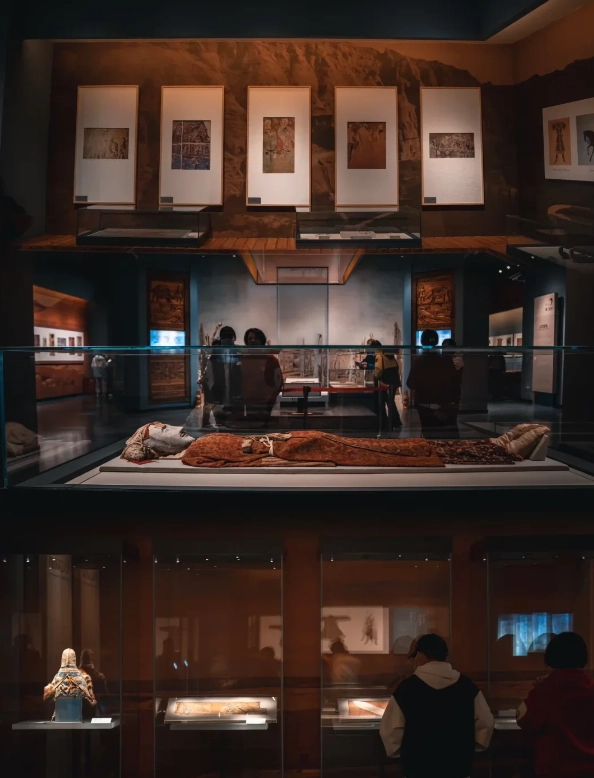
Autumn (September – November)
Golden season. September is perfect: 20–25°C, minimal rain, and thin crowds. October sees National Day holiday (Oct 1–7) with massive crowds—avoid that week. November is quiet and cool (5–15°C). Hands down, September is the best month.
Winter (December – February)
Freezing cold (-10 to -20°C), but the museum is practically empty. If you can handle the weather, you’ll have galleries to yourself. Note: some side exhibitions may close for maintenance in January. Best for photography—no people in your shots.
Monthly Crowd and Weather Overview
| Month | Avg Temp (°C) | Crowd Level | Reason |
|---|---|---|---|
| Jan | -10 | Low | Cold, few tourists |
| Feb | -5 | Low | Cold, maintenance possible |
| Mar | 2 | Low | Chilly, off-peak |
| Apr | 10 | Moderate | Spring break local visitors |
| May | 18 | Moderate | Pleasant weather, increasing |
| Jun | 25 | High | Start of summer rush |
| Jul | 30 | Very High | Peak tourist season |
| Aug | 28 | Very High | Hottest, crowded |
| Sep | 22 | Moderate | Perfect weather, mild crowds |
| Oct | 12 | High | National holiday week crazy |
| Nov | 2 | Low | Cold, quiet |
| Dec | -8 | Low | Freezing, minimal visitors |
Daily Schedule: Morning vs. Afternoon
Opening hours: Tuesday–Sunday 10:00–18:00 (last entry 17:00). Closed Mondays. Best window: 09:50–12:00. Why? Because tour groups flood in after 10:30. Also, the light in the ancient mummies hall is gorgeous between 10–11 AM—no flash needed. If you come after 2 PM, you’ll fight school groups and the glare from west windows.
Pro tip: The security queue moves faster at the northwest gate (facing the parking lot) rather than the main south entrance. Your Didi driver should drop you at the back gate.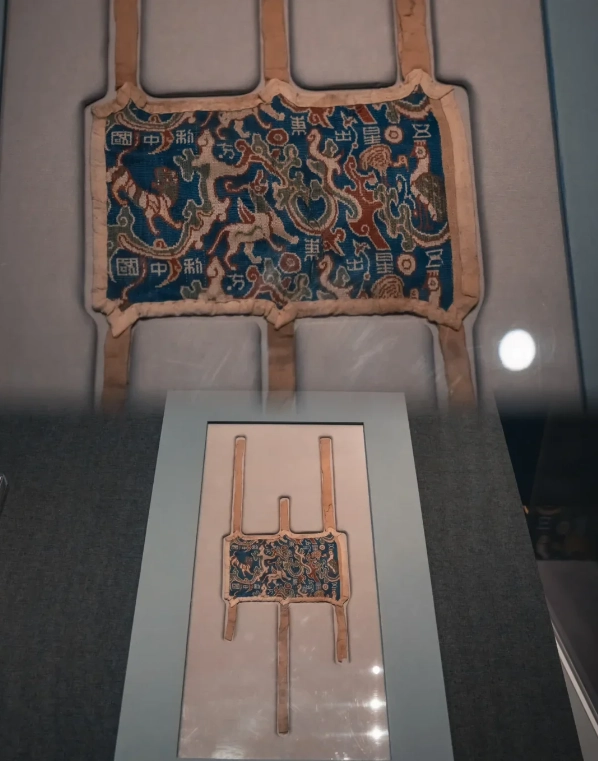
Ticket and Booking Tips
Free admission—yes, free! But you must reserve a ticket online via the official WeChat mini-program (“新疆博物馆预约”). No walk-ins accepted. Here’s the catch: it’s all in Chinese. “No English interface? Seriously?” I hear you groan. Solution: ask your hotel’s front desk to book it for you (they do it all the time). Or use the Chinese auto-translate on your phone.
The system releases tickets 7 days in advance (at midnight Beijing time). For summer weekends, grab them early—they sell out within hours. Plan B: if sold out, try again at 8 AM on the day; sometimes they release leftovers.
How to Avoid the Worst Crowds
Even on a good day, certain spots bottleneck: the Silk Road exhibit, the mummies hall, and the souvenir shop. Customs to skip: don’t stop at every single artifact—pick 5 must-see items (the famous “Loulan Beauty” mummy, the Han dynasty brocade, the giant Buddha statue, etc.).
Physical trick: the museum has two floors; most guides rush to the top first. I go downstairs first (basement)—the ethnic costumes and folk art are quieter, then work up. By the time you finish the main floor, the big groups are still upstairs.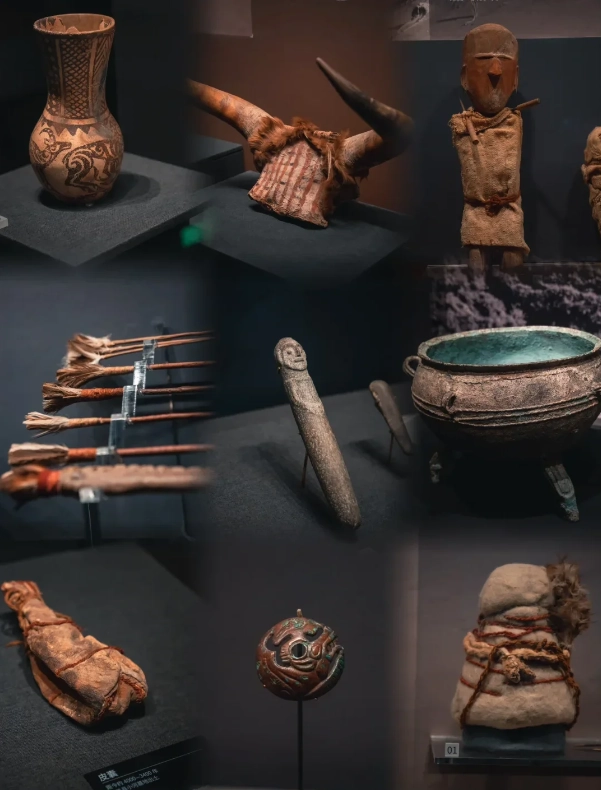
What Else to Do Nearby
After the museum, walk 10 minutes to Hongshan Park for a short hike and city views. Or grab lunch at Red Hill Market (5 min taxi) for Uyghur naan and lamb skewers. If you’re into souvenirs, the Xinjiang Folk Culture Street (folk street) is just opposite the museum entrance.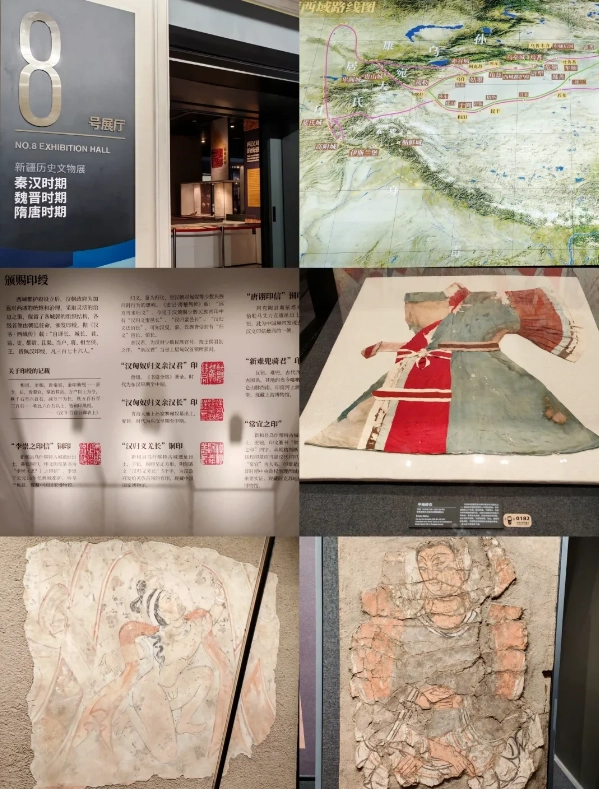
Frequently Asked Questions
Verified and fact-checked by the editorial team.





One of the best museums I've visited in China. The layout is logical, the staff are friendly, and the collection is world-class. I went on a Tuesday afternoon in September and it was delightfully uncrowded. The mummies room is the star but don't skip the ethnographic section about Uyghur and Kazakh culture—it's beautifully done. Pro tip: combine your visit with a stroll through the nearby People's Park afterwards. Couldn't ask for a better cultural afternoon.
This museum is a gem. I spent nearly 3 hours here and could have stayed longer. The highlight for me was the intricate Buddhist mural replicas and the ancient textiles—the craftsmanship is incredible. I also appreciated the air conditioning on a 38°C day! My insider tip: rent the audio guide (only 20 yuan) because it adds so much context to the artifacts. Every traveler to Xinjiang should put this on their list. 100% recommend.
Absolutely loved this place! I went early around 9:30 AM right when it opened and had the whole second floor almost to myself. The exhibit on the Taklamakan desert mummies is mind-blowing—you can see the woven clothing and even hair preserved for over 3,000 years. The lighting is perfect for photos too. If you want a peaceful visit with no crowds, that early morning slot is the insider tip you need. 5 stars all the way.
Really enjoyed the collections—especially the Xinjiang mummies and the silk road artifacts. The museum is modern and well curated. Only reason I'm giving 4 stars is because the English signage is pretty sparse in some sections, so I had to rely on my phone translator a lot. Also the gift shop was way overpriced. But overall it's a must-see in Urumqi; just bring your own water as the cafe was closed when I visited.
Honestly I was a bit let down. Went on a Friday afternoon in June thinking it'd be quiet but the line stretched all the way outside and it took 40 minutes just to get in. Some of the exhibition halls were closed for renovation and the ones that were open felt really crowded. The artifacts are impressive but the whole experience felt rushed and chaotic. If you go, definitely aim for a weekday morning—not that I got that memo.