 Chen Liu
What's inside this guide?
- Why does Wuhan have three train stations?
- Wuhan train stations at a glance: Which one do you need?
- How to buy train tickets without a Chinese ID (the real way)
- Metro to the stations: Avoid taxi scams
- Inside the stations: Luggage, food, and survival tips
- Where to stay near each station (budget to comfort)
- Frequently asked questions about Wuhan train stations
I've been guiding travelers in Wuhan for over a decade, and the number one mistake I see is people showing up at the wrong train station. It's 8 AM, they're exhausted, and their ticket says "Wuhan" but they're at "Hankou"—30 kilometers away. This guide will make sure that doesn't happen to you. Let's break down everything you need to know about Wuhan's three major railway stations.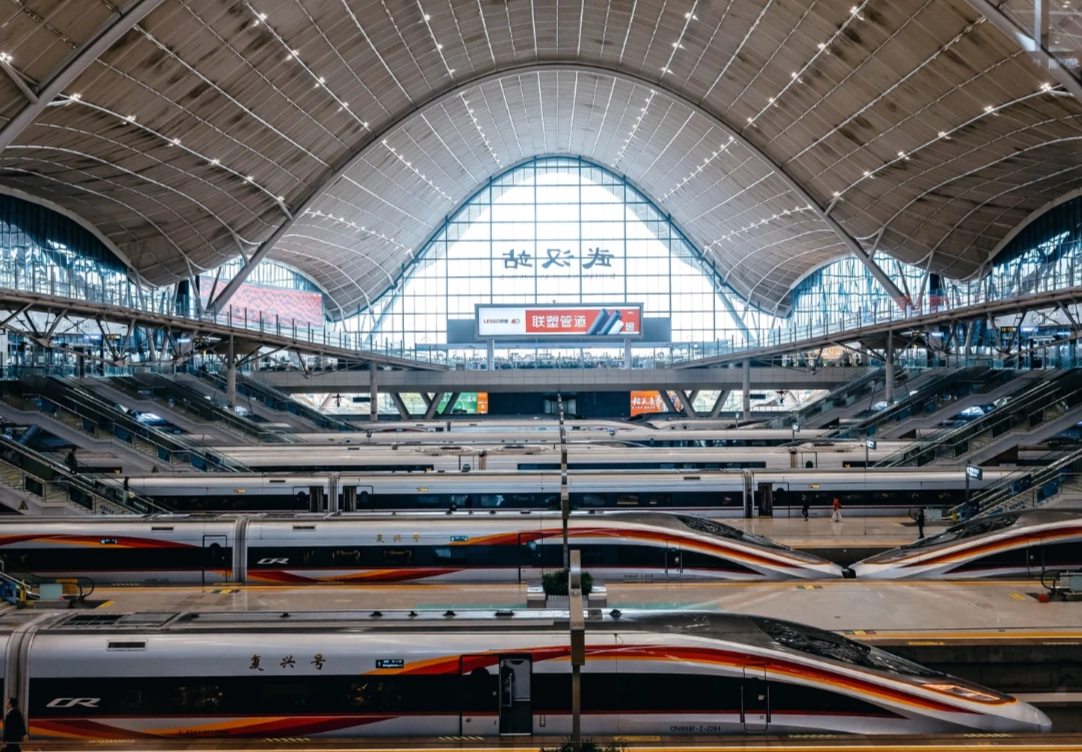
Why does Wuhan have three train stations?
Wuhan is a sprawling city formed by three towns: Wuchang, Hankou, and Hanyang. Each has its own major station. Historically, the city grew around the Yangtze River, and train lines were built before the metro connected them. Now, each station serves different routes:
- Wuhan Railway Station — the newest, built for high-speed trains. Most bullet trains to Beijing, Shanghai, Guangzhou, and Chengdu depart here.
- Hankou Railway Station — serves conventional trains and some high-speed trains heading west (e.g., Yichang, Chongqing). It's in the city center, convenient for business districts.
- Wuchang Railway Station — mostly conventional trains, serving southern and eastern routes. It's near the university area and the Yellow Crane Tower.
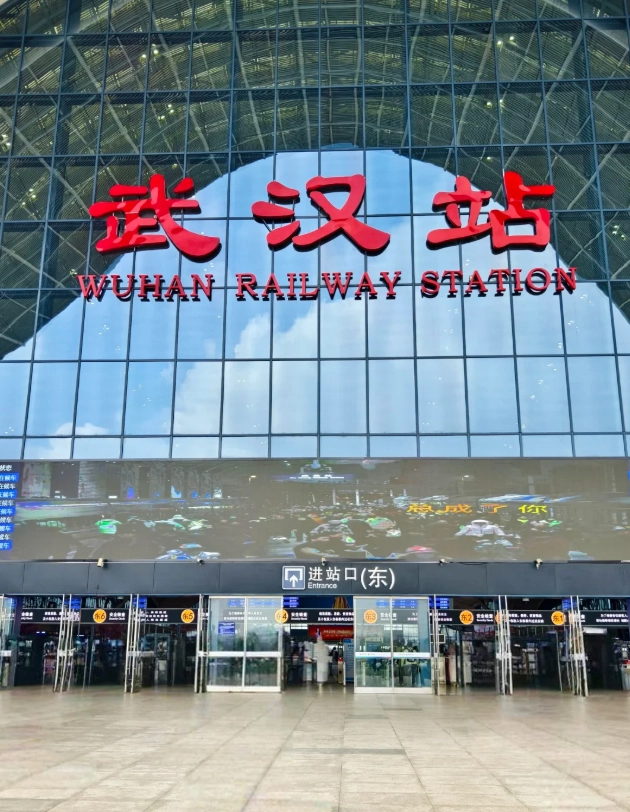
Key takeaway: If you're taking a high-speed train (G or D trains), you'll likely depart from Wuhan Station. Check your ticket carefully—the station name is printed in both Chinese and English.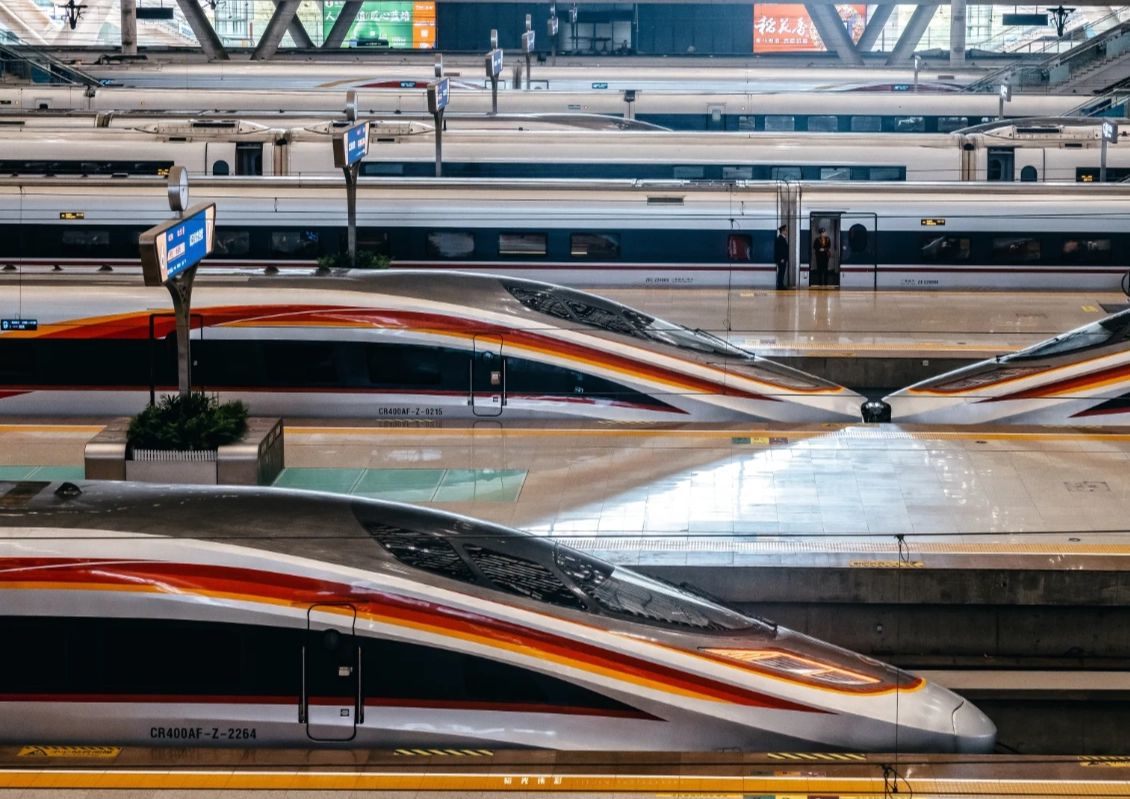
Wuhan train stations at a glance: Which one do you need?
| Station | Main routes | Metro line | Address (English) | Luggage storage |
|---|---|---|---|---|
| Wuhan Station | High-speed to Beijing (4.5h), Shanghai (3h), Guangzhou (4h), Chengdu (7h) | Line 4, Line 5 | No.1 Baiyang Road, Hongshan District | Yes, near East Gate (Level 1) |
| Hankou Station | Conventional + some high-speed to Yichang (2h), Chongqing (6h), Xi'an (4h) | Line 2 | No.19 Jinjiadun Road, Jianghan District | Yes, in waiting hall (Level 2) |
| Wuchang Station | Conventional to Nanchang (3h), Changsha (3h), Shenzhen (5h) | Line 4, Line 7 | No.642 Zhongshan Road, Wuchang District | Yes, near ticket office (East side) |
How to buy train tickets without a Chinese ID (the real way)
This is where most travelers get stuck. Online portals like 12306.cn require a Chinese ID number for registration. But here's the workaround I've used for countless clients:
- Use Trip.com (formerly Ctrip) — They have an English app and website. Search for your route, select "Passport" as ID type, and pay with international credit card (Visa, Mastercard).
- Go to the station ticket counter — Bring your passport. Staff at major stations (especially Wuhan Station) are used to foreigners. They can sell you tickets for same-day or future departures. No need to speak Chinese—just show the train number and date written down.
- WeChat mini-program — If you have WeChat (and a Chinese friend or helper), you can use the official 12306 mini-program. But honestly, Trip.com is easier for short visits.
How to avoid peak booking stress: During Chinese holidays (Spring Festival, National Day, May 1st), trains sell out weeks in advance. Book at least 15 days ahead. For regular days, 3-5 days is fine. If you're flexible, taking a bus (e.g., to Shanghai) can be a backup but is less comfortable.
Metro to the stations: Avoid taxi scams
Wuhan's metro is efficient and cheap. Taxis are notorious for refusing to use the meter or taking long detours. Here's the fastest metro route from the city center to each station: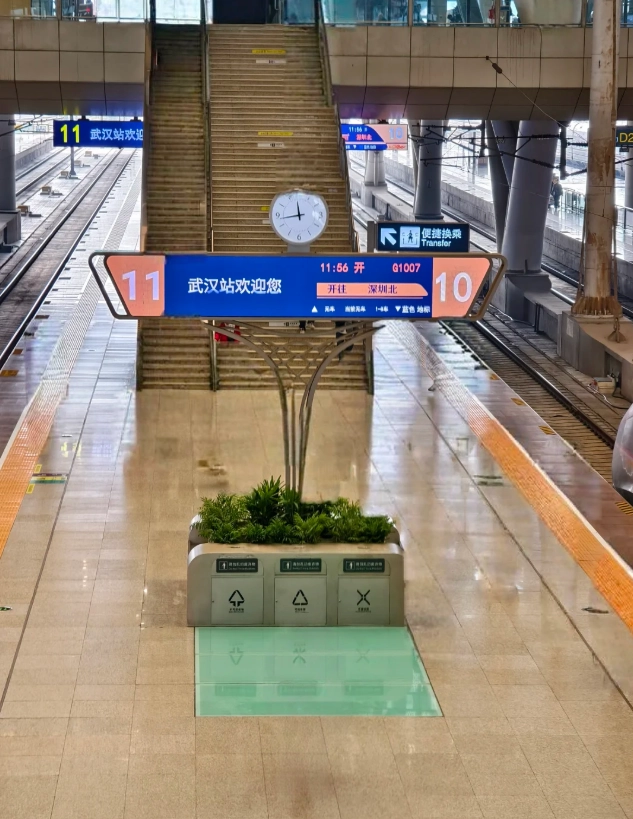
| From landmark | To Wuhan Station | To Hankou Station | To Wuchang Station |
|---|---|---|---|
| Wuhan Optics Valley Square | Line 2 → Line 4 (exit at Wuhan Station, 35 min) | Line 2 direct (40 min) | Line 2 → Line 4 (transfer at Zhongnan Road, 45 min) |
| Yellow Crane Tower area | Take bus or taxi (15 min) to Wuchang Station, then Line 4 to Wuhan Station | Line 5 → Line 2 (transfer at Jiyu Qiao, 40 min) | Line 5 direct (10 min) |
| Jianghan Road (Hankou) | Line 2 → Line 4 (transfer at Hongshan Square, 35 min) | Line 2 direct (10 min) | Line 2 → Line 4 (transfer at Zhongnan Road, 30 min) |
Metro runs from 6:00 AM to around 11:00 PM. Last train times vary by line—check the timetable at the station. If you have a late arrival, use Didi (Chinese Uber) instead of taxis. It's cheaper and they follow the route.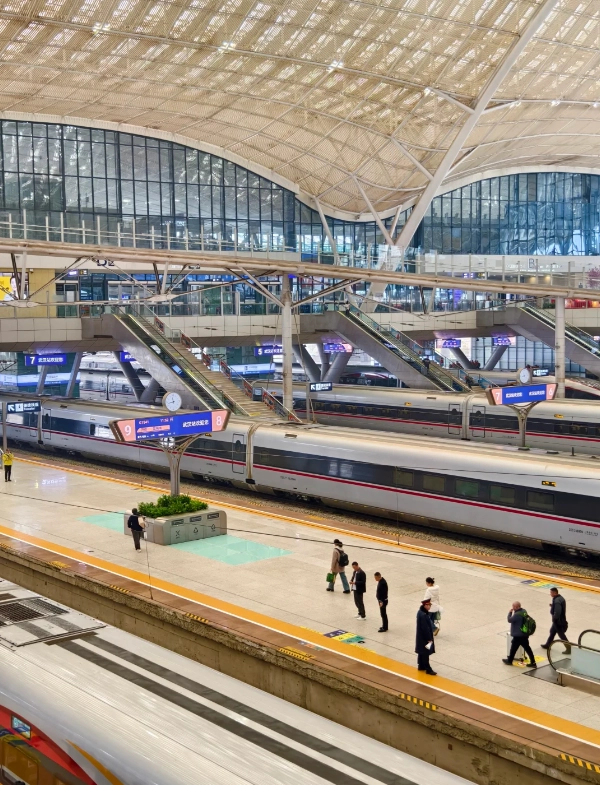
Inside the stations: Luggage, food, and survival tips
Wuhan Station (largest, most modern)
Spacious waiting halls, free Wi-Fi (requires Chinese phone number for SMS verification—annoying, I know). Toilets are clean but can get crowded. Food options: KFC, McDonald's, a few local noodle shops inside. Prices are higher than outside—a bowl of noodles might cost 35 RMB vs 15 RMB in the city. I always grab something before arriving.
Luggage storage: Official left-luggage counters near the East Gate and West Gate. Cost: 20-40 RMB per piece per day. You can also use the "Xiaoyu Cunchu" mini-program (Chinese only) for cheaper storage at nearby shops.
Hankou Station (chaotic but central)
Smaller, older. Fewer shops. Toilets are smaller—prepare for queues. Food options: a convenience store (Lawson) and a random bakery. I don't recommend eating here unless you're desperate. Better to grab something before arriving.
Wuchang Station (moderate, near attractions)
After recent renovations, it's cleaner. There's a Starbucks inside (free Wi-Fi without SMS!). Luggage storage available near the ticket office. Food: Starbucks, a local hotpot place (not bad). Toilets are okay during off-peak hours.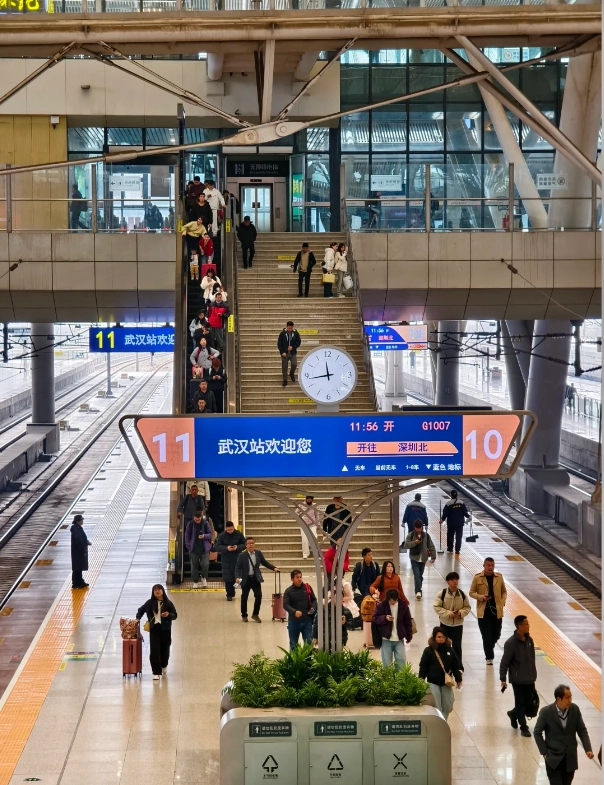
Where to stay near each station (budget to comfort)
If you have an early train or late arrival, staying near the station can save you time. Here are my picks:
Near Wuhan Station
- Hanting Hotel (Wuhan Station Branch) — Address: No.1 Baiyang Road, 5 min walk. Price: 200-300 RMB/night. Clean, basic English spoken at front desk. No breakfast. Good for solo travelers.
- Vienna Hotel (Wuhan Station) — Address: 404 Heping Avenue, 10 min taxi. Price: 350-500 RMB/night. Better soundproofing, free Wi-Fi. Suitable for couples.
Near Hankou Station
- JI Hotel (Hankou Station) — Address: 9 Xinhua Road, 8 min walk. Price: 250-400 RMB/night. Modern, has luggage storage. Front desk speaks basic English.
- Lavande Hotel (Hankou Station) — Address: 189 Jiefang Avenue, 12 min walk. Price: 300-450 RMB/night. Slightly quieter. Good for business travelers.
Near Wuchang Station
- Rujia Inn (Wuchang Station Branch) — Address: 800 Zhongshan Road, 5 min walk. Price: 180-280 RMB/night. Budget-friendly. Basic facilities. Good for backpackers.
- Holiday Inn Express Wuchang — Address: 399 Wuluo Road, 15 min walk. Price: 400-600 RMB/night. English-speaking staff, breakfast included. Ideal for families.
Payment note: Most budget hotels accept cash and WeChat/Alipay. For international cards, stick to international chains. Always confirm before booking.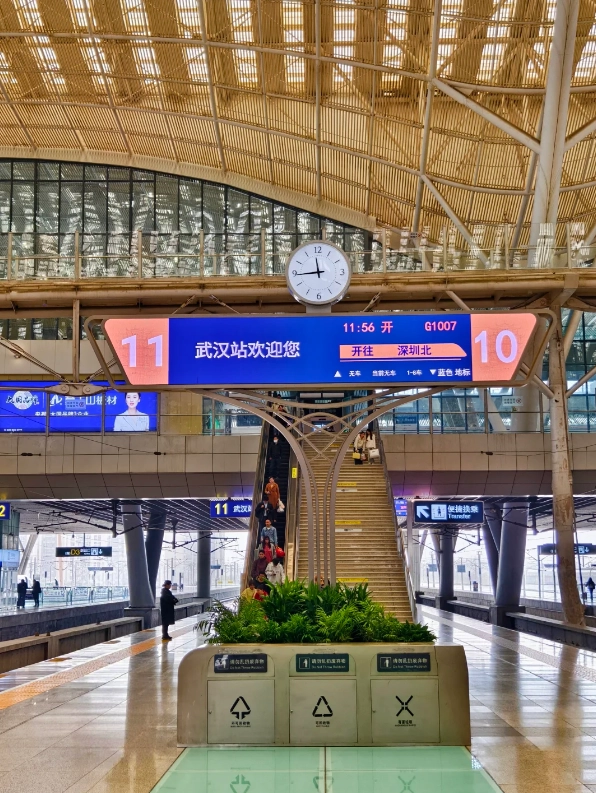
Frequently asked questions about Wuhan train stations
Verified and fact-checked by the editorial team. This content has been fact-checked to ensure informational precision.






Hands down the most practical advice I found online. The guide compared station locations, wait times, and even recommended which station to pick for which destination (e.g., Wuchang for Changsha, Hankou for Xi’an). I booked according to it and my whole trip went smoothly. Thank you, anonymous writer!
I’ve lived here 4 years and still found this guide useful. It’s especially good for tourists who don’t know that Hankou has two separate metro exits – follow the guide’s recommendation and you’ll avoid the long ticket queue. Minor nitpick: the food court info was outdated (a few stalls have closed), but otherwise solid.
We almost went to the wrong station! The guide clearly explains that 'Wuhan Station' serves high-speed trains only, while 'Hankou Station' has slower ones. That nugget alone saved us 40 minutes of backtracking. Plus, the metro connections listed were spot-on. A must-read for first-timers.
Wuchang Station felt chaotic, and the English signs were tiny. I followed the guide’s advice to arrive extra early, which helped, but the platform announcements were still hard to understand. It got the job done, but I wouldn’t call it a pleasant experience. 3 stars because the guide was accurate, at least.
I used this guide to decide between Wuhan and Hankou stations. For my trip to Huangshan, Hankou was the right call—way more central and easier to grab a metro. The guide’s tip about checking your ticket’s station name saved me from a major headache. Highly recommend reading it before booking!