 Wei Zhang
Quick Navigation
Three hours. That’s how long a family from Germany waited for a taxi near Jiefangbei last week. Not because there were no taxis – but because they didn’t have the right app. Forget the glossy brochures. If you don’t understand Chongqing’s public transport rules, you’ll waste time and money.
Here’s the truth: this city is built on hills and rivers. The metro is your best friend, but only if you know which line to take and how to pay. I’ve guided dozens of tourists here, and the same mistakes happen again and again. Let me save you the pain.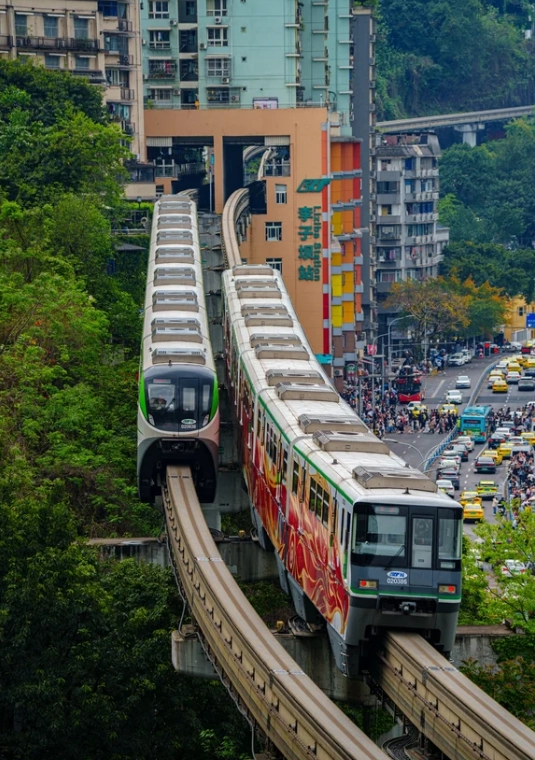
Chongqing Metro & Light Rail – Backbone of the City
Chongqing’s metro (officially called Chongqing Rail Transit) has 11 lines as of 2024, covering most attractions. The light rail (Line 2 and Line 3) is actually a monorail – the trains run on a single rail high above the streets. It’s a ride in itself.
Key Lines for Tourists
| Line | Connects | Must-Know |
|---|---|---|
| Line 1 | Chaotianmen, Jiefangbei, Shapingba | Perfect for riverside sights. |
| Line 2 | Jiefangbei, Liziba, Chongqing Zoo | Famous for the train passing through a building at Liziba Station. |
| Line 3 | Airport, Chongqing North Station, Guanyin Bridge | Longest monorail line; goes over the Jialing River. |
| Line 6 | Hongyadong, Grand Theatre, Changshengqiao | Great for Hongya Cave (station is Xiaoshizi, exit 2). |
Fares start at ¥2 for short trips, max ¥10 for cross-city. But here’s the catch: you cannot pay with cash at the ticket machines. Most machines accept only WeChat Pay or Alipay. If you don’t have these apps installed, go to the customer service window (人工窗口) – they will sell you a single-trip token for cash. Bring small bills (¥5, ¥10, ¥20) because they might not have change.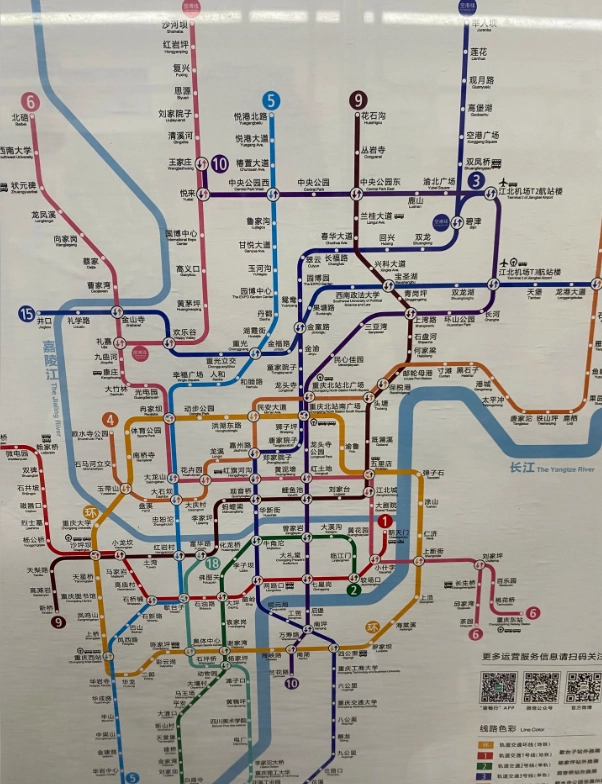
Bus System – The Cheap Option (If You Dare)
Buses in Chongqing go everywhere, and they cost just ¥2 per ride. But the routes are confusing and the signs are almost all Chinese. Google Maps doesn’t work well here. Use Amap (高德地图) or Baidu Maps – they offer bus route planning in English, though the translations are rough.
I once spent 40 minutes on a bus that looped around three times. Lesson: only take the bus if your stop is on a major route with clear numbers. For example, bus 181 goes from Jiefangbei to Chaotianmen. Bus 261 goes from Hongyadong to Ciqikou. Write down the Chinese name of your stop and show it to the driver.
Payment: Same as metro – scan QR code with WeChat/Alipay, or tap your transportation card. No cash accepted on most buses. Some buses still take coins, but I wouldn’t rely on it.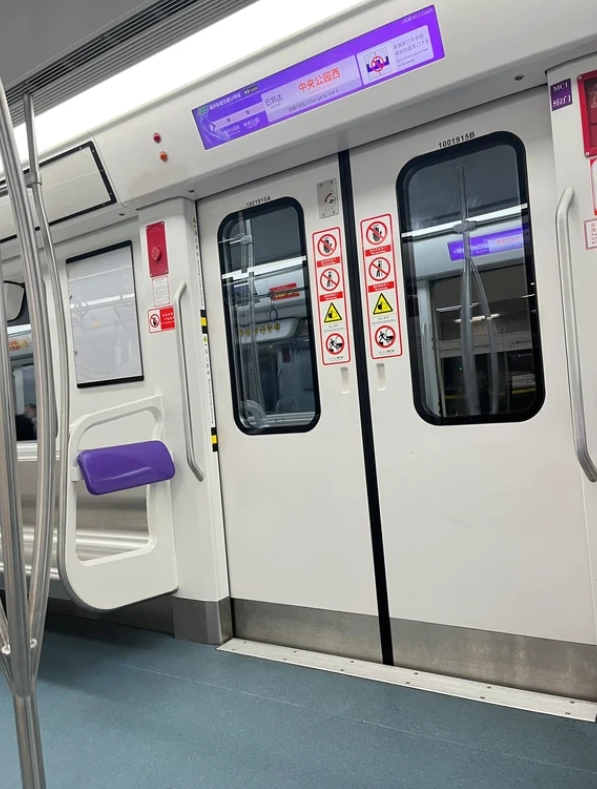
Ferry & Taxi – When to Use Each
Yangtze River Ferry
The ferry is more a tourist experience than a practical commute. The main route is from Chaotianmen to Danzishi (or longer to Guanyin Bridge). Cost: ¥5–20 depending on distance. No QR payment – you buy a ticket at the dock with cash or WeChat. The ferry runs every 30–60 minutes and stops around sunset. Use it for a quick river view without paying for a cruise.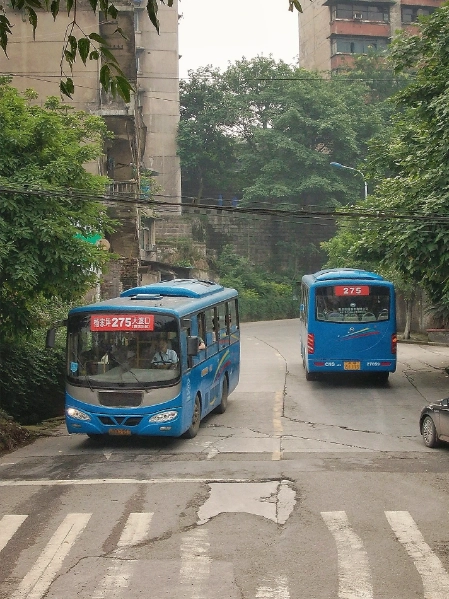
Taxis & Ride-hailing
Taxis are abundant, but during rush hour (8–9am, 5–7pm) you’ll wait long. Flagfall is ¥10 for the first 3km, then ¥2 per km. Night surcharge after 10pm adds 20%. The issue: most drivers don’t speak English. Always have your destination written in Chinese. I recommend using Didi (the Chinese Uber) because you can type the address and the driver follows GPS. Didi accepts international credit cards (Visa, Mastercard) if you link them, but many tourists face payment issues. To avoid that, get a local friend to top up your Didi wallet, or use the “pay cash to driver” option – it’s available in some versions.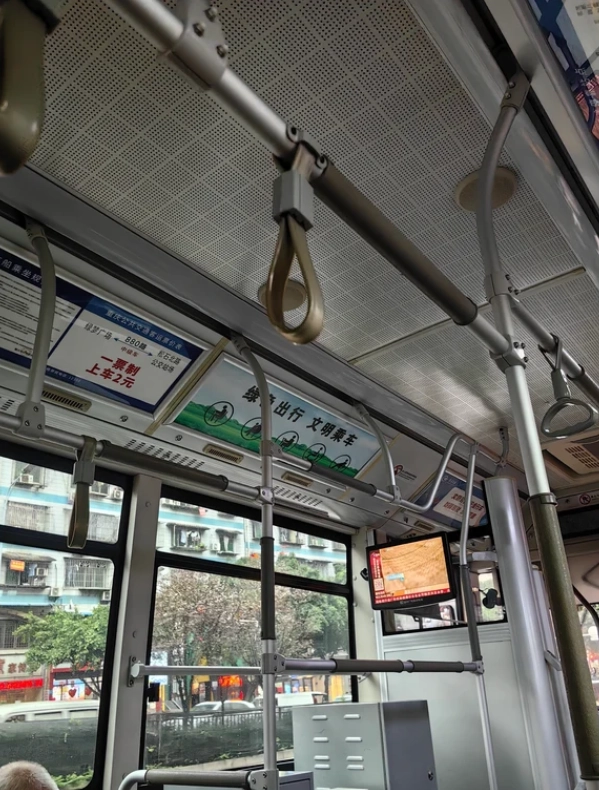
Payment Nightmare – WeChat & Alipay
I hate to say it, but Chongqing’s public transport is designed for locals with Chinese phones. As a tourist, you face two problems:
- Installing WeChat/Alipay: You need a foreign passport to register, and the process can take 15 minutes. Do it at the airport before you leave. If you can’t, bring plenty of cash – but note that metro and bus machines won’t take it.
- Linking a card: Many foreign credit cards are rejected by these apps. The workaround: ask a hotel or shop to “top up” your WeChat balance with cash. Or use a prepaid travel card like Alipay Tour Pass.
My honest advice: get a Chongqing Transportation Card (畅通卡) at the airport metro station (Jiangbei Airport Terminal 3). It costs ¥20 to buy plus you load it with cash. You can refill at any station with cash at the customer service window. This card solves everything – metro, bus, ferry, and even some taxis that have the card reader.
Common Tourist Pitfalls (and How to Avoid)
Pitfall 1: Trusting Google Maps for Bus Routes
Google Maps is often outdated in Chongqing. Use Amap (高德地图) or Baidu Maps – they have English modes now, though the bus numbers are in Chinese. If you can’t read Chinese, ask a local to input your destination.
Pitfall 2: Getting off at the Wrong Station for Hongyadong
The nearest metro station is Xiaoshizi (Line 1, exit 2). But many tourists get off at Jiefangbei station (also Line 1) and walk 15 minutes uphill. Not fun in summer heat. Xiaoshizi exit 2 brings you directly to the 11th floor of Hongyadong – yes, the building is on a slope, so it connects to the street level.
Pitfall 3: Trying to Take a Taxi from Ciqikou at Night
Ciqikou old town gets packed after 7pm. Taxis avoid the narrow streets. The only way out is to walk to the main road (Ciqikou Main Street) and flag a taxi there – or take bus 261 to Shapingba station and then switch to metro.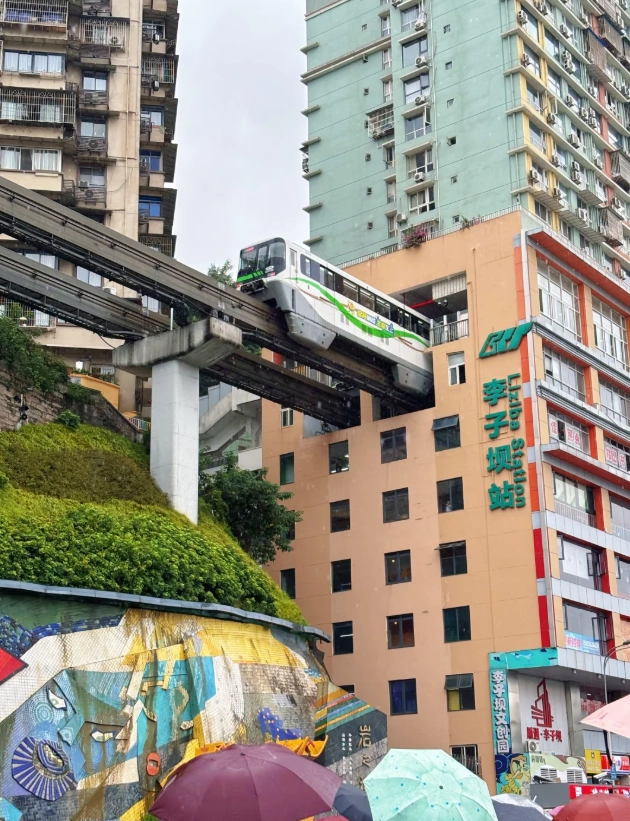
Pitfall 4: Not Knowing the Elevator Trick
Chongqing is hilly. The metro stations often have exits that seem to go up forever. For example, Lianglukou station (Line 1 & 3) has exits at different altitudes. If you need to switch lines, allow an extra 10 minutes for walking and escalators. Also, some stations don’t have elevators – avoid bringing heavy suitcases on Line 2 (the older monorail).
Frequently Asked Questions
This content has been fact-checked to ensure informational precision. All routes and fares verified through official Chongqing Rail Transit and Chongqing Public Transport Group sources.






No comments yet.