 Peng Gao
What's Inside This Guide
Three hours. That’s how long my clients queued at Xi'an North Station's ticket office last week—only to be told their international credit cards were useless. Forget the glossy brochures. If you don't know the exact WeChat mini-program or the secret third-party agent, you aren't getting on that bullet train. I've been guiding travelers through China for over a decade, and the Xi'an to Shanghai route is my bread and butter. Here's the honest scoop: the train beats flying every time, but the booking process can make you cry. Let me save you the headache.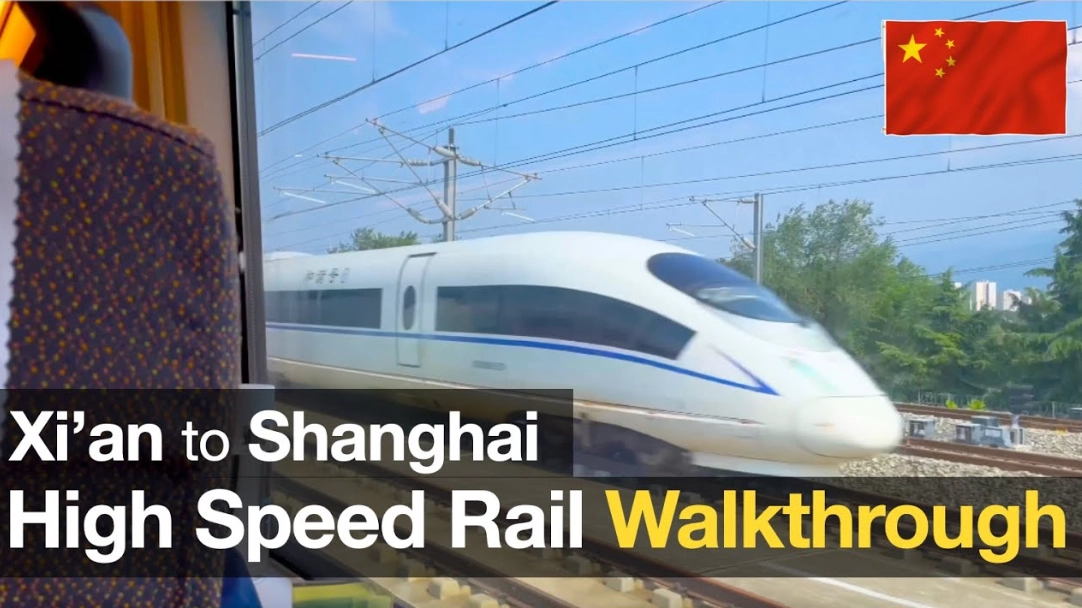
Why Take the Xi'an to Shanghai Train Instead of Flying?
You save nearly 6 hours door-to-door. The flight itself is 2.5 hours, but factor in the 1-hour transfer from Xi'an city center to the airport (not to mention arriving 2 hours early, security, baggage claim), and you're looking at 6+ hours. The high-speed train takes about 6 hours from Xi'an North to Shanghai Hongqiao, and both stations are conveniently connected to city metro lines. Not to mention the legroom—I can stretch my legs, walk to the dining car, and even take a nap. Plus, no luggage weight limit. I once had a couple with 4 huge suitcases; the train didn't bat an eye.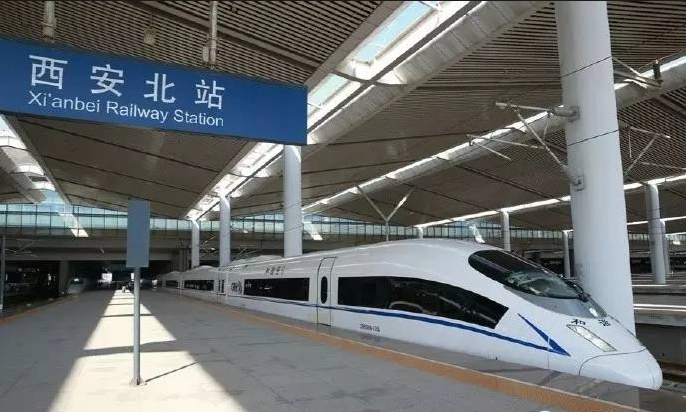
How to Book Xi'an to Shanghai Train Tickets (Even Without WeChat Pay)
Option 1: Official 12306 Website
China Railway's official site (12306.cn) has an English version, but it's clunky. You'll need a Chinese phone number to register—a huge hurdle. Even with that, international credit cards often fail. I've seen it reject Visa and Mastercard repeatedly. If you insist, use the app 'Railway 12306' (download from official site, not app store). But be warned: the English interface is incomplete. You'll need to input passenger names exactly as on your passport.
Option 2: Third-Party Platforms (My Recommendation)
Use Trip.com or Klook. They accept international cards, charge a small service fee (about $5), and have reliable customer support in English. I always tell my clients to go this route. They can book up to 60 days in advance. Just note: seat selection isn't always guaranteed; you might end up in a middle seat unless you pay extra for 'preferred seat'.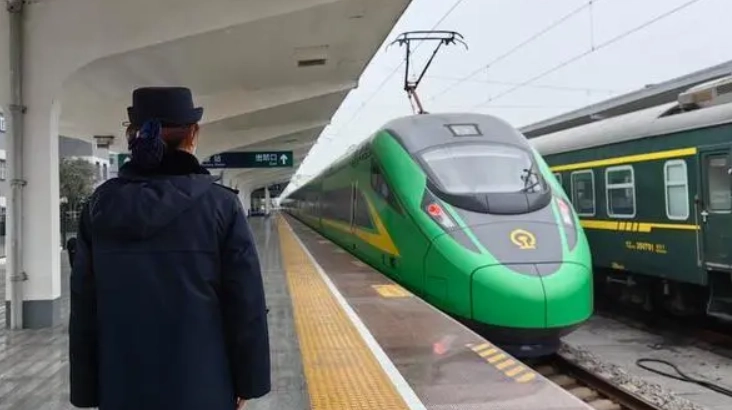
Option 3: Hotel Concierge or Local Agent
If you're already in Xi'an, your hotel's front desk can book for you. Most 4-star hotels offer this free service. I once had a guest at the Bell Tower Hotel who got last-minute tickets this way when the website crashed.
Which Train Type and Seat Should You Choose?
From Xi'an to Shanghai, you have G-trains (high-speed, 300 km/h) and D-trains (slower, ~200 km/h). G-train is about 6 hours; D-train takes 10-12 hours. I only recommend G.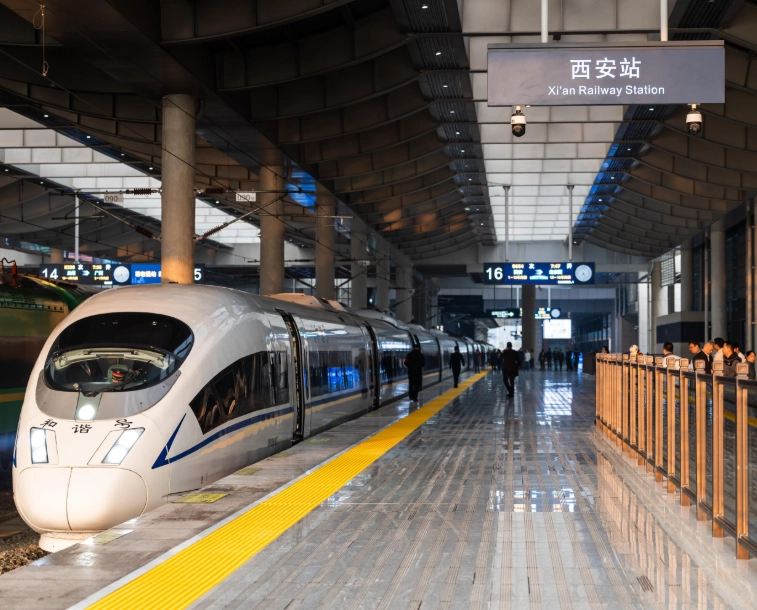
| Seat Class | Price Range (USD) | Best For |
|---|---|---|
| Second Class (2nd) | $75-$100 | Budget travelers, short trips |
| First Class (1st) | $120-$160 | More legroom, power sockets, wider seats |
| Business Class | $220-$300 | Luxury, lie-flat seats, meal included |
I always book First Class for my groups. The extra $50 makes a difference—especially if you're tall (I'm 6'2" and Second Class is cramped). Business Class is nice but costs like a flight; only worth it if you need to sleep.
Navigating Xi'an North Railway Station (Buyunlu)
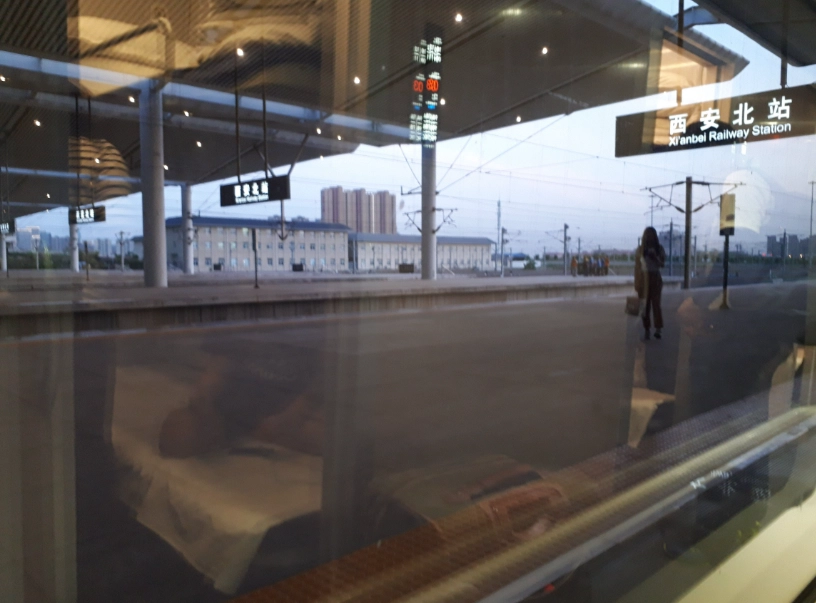
Xi'an North Station is huge, with 18 platforms. Here's the insider layout:
- Entrance: Use the south entrance (South Square). The north entrance is under construction and creates a 15-minute detour.
- Security: Arrive 45 minutes before departure. The line moves fast, but weekends are brutal. If you have a big suitcase, use the 'oversized luggage' lane—faster.
- Waiting Hall: Find your ticket gate number (e.g., Gate 12). The screens are in Chinese and English. Grab a bottle of water before passing through security; the vending machines inside are pricey.
- Platform Access: They start boarding 15 minutes before departure. Don't rush; the platform number is announced on the big screen. Follow the crowd.
Onboard Experience: What to Expect on the Xi'an to Shanghai Bullet Train
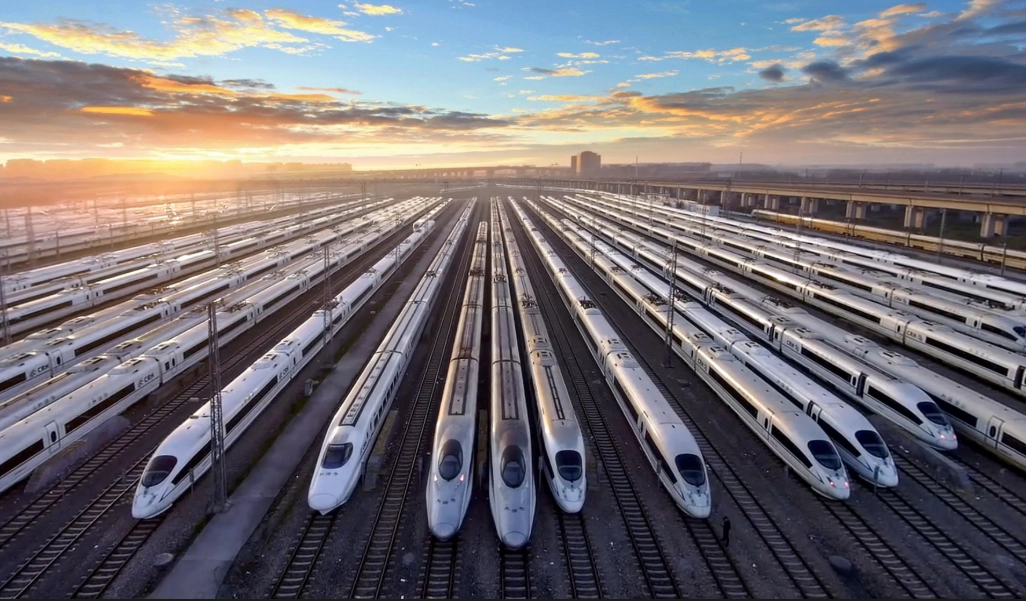
The G-trains are modern, clean, and quiet. Here's the lowdown:
- WiFi: Free but slow. Don't plan to stream. I use my own hotspot.
- Power: Every seat has a socket (Chinese 2-pin plug). Bring a universal adapter.
- Food: The dining car serves hot meals (noodles, rice boxes) for about $5-8. They're mediocre but edible. I always pack snacks from the local market—better value.
- Toilets: Western-style, but often run out of toilet paper. Carry your own small pack.
The train makes 3-4 stops: Zhengzhou, Nanjing, then Shanghai. Don't get off at intermediate stations unless you're prepared to scramble back. The doors close exactly 2 minutes before departure.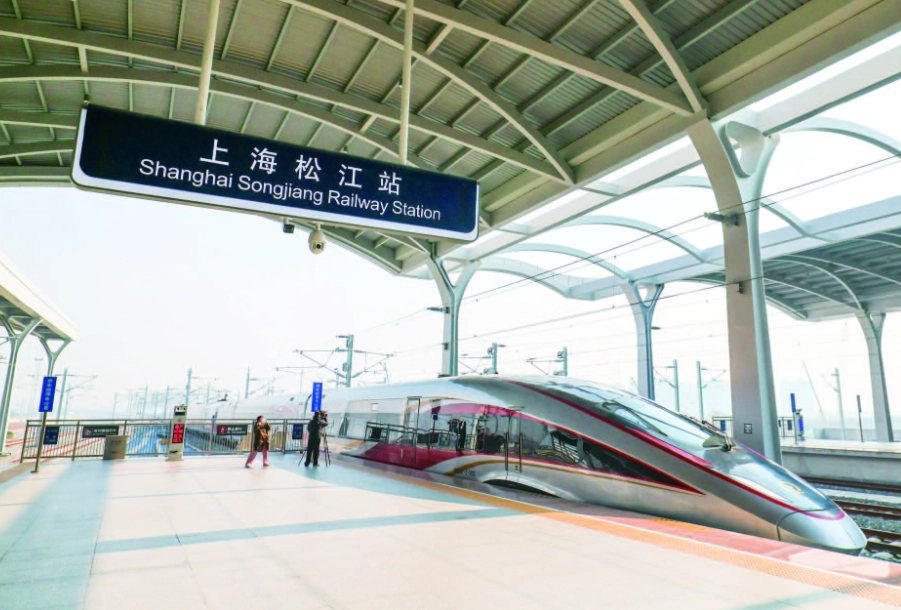
Arriving at Shanghai Hongqiao Station – What to Do Next
You'll arrive at Shanghai Hongqiao, which connects directly to Metro Lines 2, 10, and 17. Follow the signs to the metro (exit 'Metro'). If you're staying in the city center (People's Square, Jing'an), take Line 2 eastbound. If you're heading to the Bund or Lujiazui, transfer to Line 2 at Hongqiao (the station is huge—allow 15 minutes to walk to the platform). Taxis are outside the west exit; expect a queue of 20 minutes. The fare to downtown is about $10-15. Ignore the touts offering 'discount rides'—they're illegal.
Top Tips from a Local Guide (Avoid These Pitfalls)
- Validate your ticket: Even if you booked online, you still need to scan your passport at the ticket machine or counter before entering the station. Nobody tells you this. I've seen frantic tourists trying to tap their phone and failing.
- Don't buy snacks at the station: They mark up 100%. Walk 5 minutes to the small supermarket opposite the south square.
- Choose the morning departure (8:00-10:00): You arrive in time for dinner. Evening trains often get delayed.
- Watch your belongings: The overhead rack is deep; short people struggle to reach. I store my heavy bag under the seat.
- Download offline maps: Google Maps is blocked in China. Use Baidu Maps or Apple Maps (they work).







No comments yet.