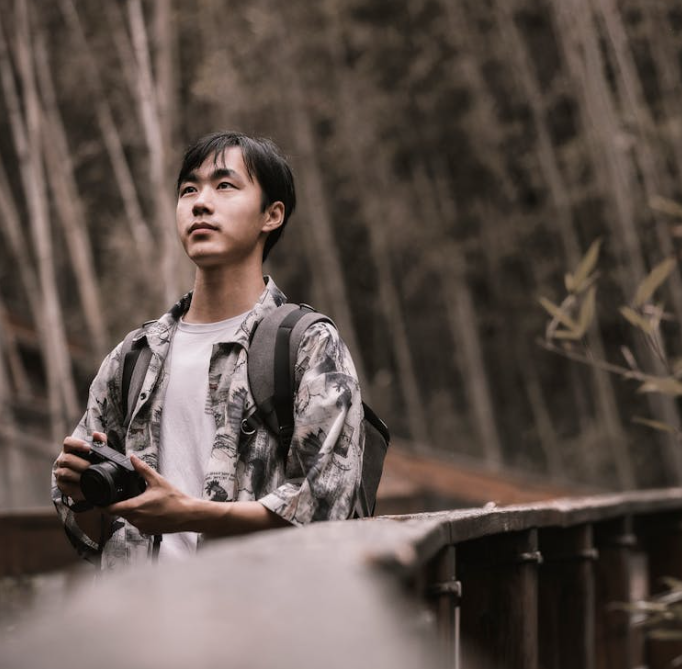
 Chen Liu
Quick Navigation — What You’ll Learn
Three hours. That’s how long one of my clients spent at a police station after falling for a “free tea ceremony” scam. And you know what? She still says Beijing is one of the safest cities she’s visited. Why? Because once you understand the few risks that exist, you can easily avoid them.
I’ve been guiding tourists in Beijing for over 10 years. I’ve seen hundreds of visitors come and go — and the vast majority leave with nothing but great memories. So, is Beijing safe for tourists? Short answer: yes, very safe — but not immune to petty crime and clever tricks. Here’s the unfiltered truth from someone who lives it every day.
The Real Safety Picture in Beijing
Beijing is a mega-city with 21 million people. Violent crime against tourists is extremely rare. The biggest threat? Pickpocketing and scams targeting foreigners. According to the Beijing Municipal Public Security Bureau, reported crimes against tourists dropped by 15% in the last year. Most incidents are non-violent.
I always tell my groups: you’re safer walking down Wangfujing Street at midnight than in many European or American city centers. Police presence is heavy — you’ll see uniformed officers every few blocks, especially near tourist spots like Tiananmen Square and the Forbidden City. There are also 24/7 tourist police hotlines with English support (phone 12301).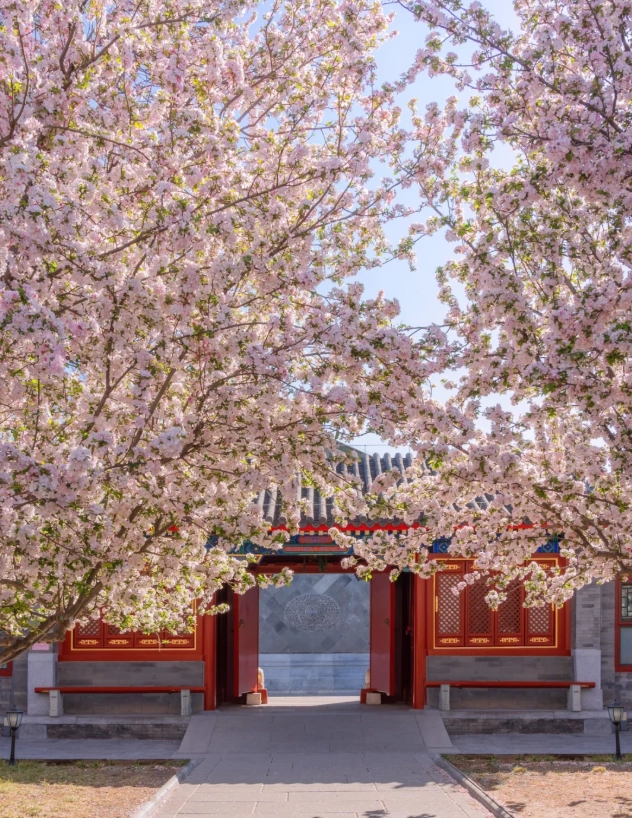
But here’s the catch: safety perception varies. If you’re a solo female traveler, you might feel uneasy on dark hutongs. I’ll address that below.
Common Scams and How to Spot Them
Scams are the #1 safety concern for tourists. They target confusion and kindness. Let me break down the ones I see most often, and exactly how to avoid them.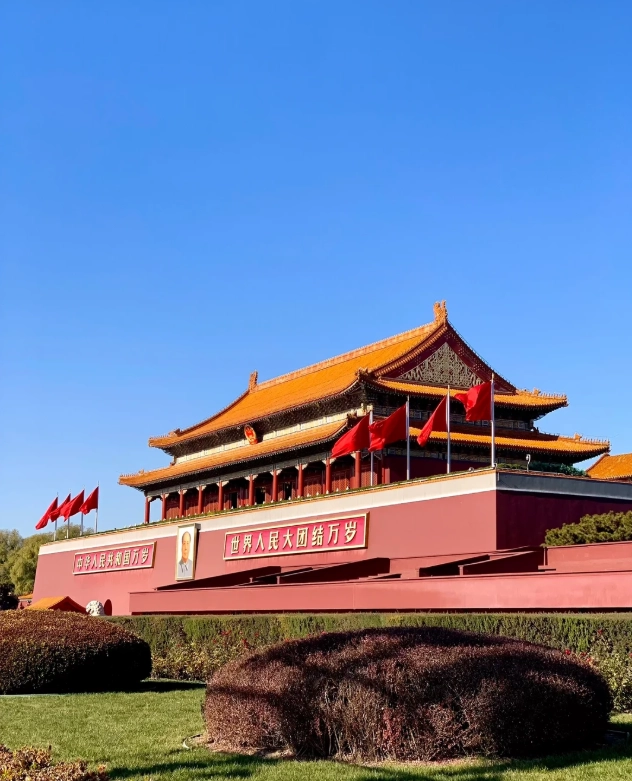
| Scam Type | How It Works | Red Flags | My Advice |
|---|---|---|---|
| Tea ceremony trap | A friendly local invites you for tea, then presents a huge bill for the ceremony. | Unsolicited invitation near tourist sites; pushy friendliness | Politely decline and walk away. If pressured, say you’re meeting friends. |
| Fake “Great Wall” tour | Unlicensed drivers offer cheap tours to the Wall but take you to a closed section or a wall replica. | Prices well below official rates (e.g., 100 RMB); no written contract | Only book through your hotel, Trip.com, or official ticket sites. Never hail a tour on the street. |
| Taxi overcharge | Driver claims meter is broken and charges a flat fee 3x the normal fare. | No meter running; negotiation before starting; driver starts without destination clarity | Use Didi (like Uber) or insist on the meter. Note the car’s license plate if you feel uneasy. |
| Distraction pickpocket | Someone spills something on you or asks for directions while an accomplice lifts your wallet. | Unusual sudden contact; groups crowding around | Keep valuables in zipped inner pockets. In crowded markets, wear your bag in front. |
My rule of thumb: If a stranger approaches you with an offer that seems too good to be true, it is. Beijing isn’t a place where people randomly invite tourists to “authentic experiences.” Most locals are reserved — they won’t start conversations on the street.
Night Safety: Walking Alone After Dark
Beijing is generally very safe at night. Major commercial areas like Sanlitun, Guomao (CBD), and the area around Tiananmen Square are brightly lit and patrolled. Even hutongs (old alleys) can be safe, but some are quite dark and quiet.
I’ve walked home alone countless times after midnight in Dongcheng district and never felt threatened. However, I’d advise solo women to stick to main streets after 11 pm, especially in less touristy hutongs. The local police stations are very responsive — dial 110 (English available).
Transportation Safety: Taxis, Subway & Bikes
Taxis and Ride-Hailing
Official taxis are red, yellow, or blue with a company logo on the door. Always ask them to use the meter — da biao ji. Better yet, use the Didi app (similar to Uber) which shows the price upfront and accepts international credit cards (with Alipay or WeChat Pay). Avoid unlicensed cars that park near train stations.
Subway
The Beijing Subway is safe, clean, and cheap. Security checks at every entrance — bags go through X-ray. Keep your phone in your bag during rush hour (7:30-9:30 AM and 5-7 PM) because pickpockets operate there. I’ve never had an incident, but I’ve seen tourists lose phones on Line 2.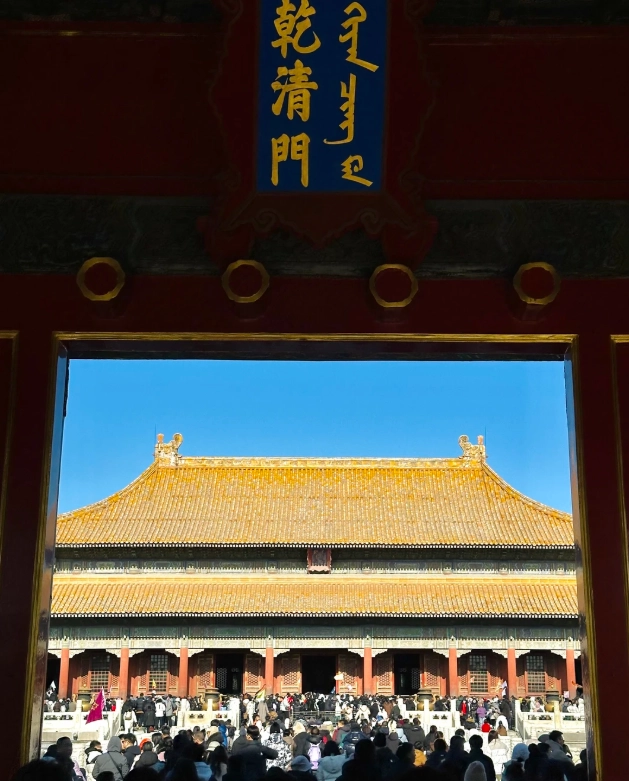
Bike rentals
Dockless bike sharing (Mobike, Hellobike) is great for short trips. But watch out for crazy electric scooters on bike lanes. Wear a helmet if you can — the hospital won’t ask for insurance upfront, but treatment costs money.
Health & Food Safety
Tap water in Beijing is not drinkable — stick to bottled or boiled water. Street food is generally safe if it’s cooked fresh and hot. I’ve eaten from night stalls hundreds of times without getting sick. The main issue is stomach upset from spicy food if you’re not used to it. Carry your own toilet paper (public toilets often lack it) and hand sanitizer.
Air quality can be a concern in winter. Check the AQI on apps like AirVisual. If it’s above 150, wear an N95 mask. Most hotels provide masks at the front desk.
Practical Safety Tips for First-Timers
- Digital payments: Alipay and WeChat Pay are king. Put 500-1000 RMB in cash for emergencies. Most places don’t accept international credit cards, but Alipay now links to foreign cards.
- SIM card: Buy a local SIM at the airport (China Unicom or China Mobile). You’ll need a passport. Data is cheap, and you can use Google-free maps (like Baidu Maps or Apple Maps).
- VPN required: Before you come, install a reliable VPN (like ExpressVPN or NordVPN) on your phone and laptop. Without it, Google, WhatsApp, Instagram, and Facebook won’t work.
- Lost property: I’ve had clients recover lost wallets and phones from subway lost & found. Report loss immediately at any station. The recovery rate is surprisingly high.
- Emergency numbers: Police 110, Fire 119, Ambulance 120. Ask for English-speaking operator.
One thing I always warn my groups: don’t accept party invitations from strangers in bars around Sanlitun. Drink spiking is rare but not unheard of. Stick to your own drink.
Frequently Asked Questions
Verified and fact-checked by the editorial team. Information reflects current conditions and common practices.






No comments yet.