 Chen Liu
You just landed in Wuhan. You've got 144 hours — that's six full days — to explore one of China's most underrated cities. But first, you need to actually get that visa. I've been guiding travelers through this for years, and I can tell you: it's easy if you know the steps. Here's how to use the 144 hour visa in Wuhan without a headache.
1. Eligibility Check Before You Apply
Don't assume you qualify. I've seen people turned away at the counter because their passport didn't match the list. The 144-hour transit visa (also called TWOV) in Wuhan is available for citizens of 53 countries, including the US, UK, Canada, Australia, most of Europe, Japan, South Korea, and Singapore. Check the official list on the National Immigration Administration website before you fly.
But here's the catch: you must have a confirmed onward ticket to a third country (not your home country) within 144 hours. And that ticket must be on an international flight — no domestic flights allowed for the onward leg if you're using this visa.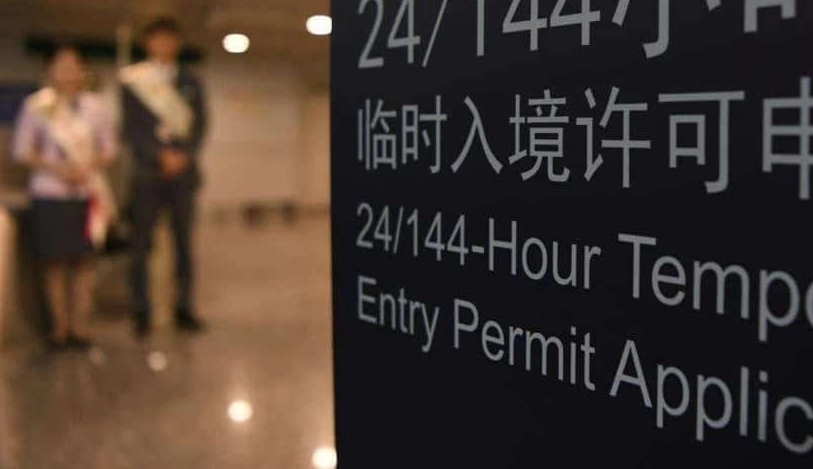
2. Step-by-Step Application Process
Once you land at Wuhan Tianhe International Airport (WUH), follow these steps. Do not go to the regular immigration line — that's for visa holders and Chinese citizens.
- Follow the signs for "144-hour Transit Visa" or "TWOV". They're in English and Chinese. If you're blindfolded, just look for the counter near the baggage claim area.
- Fill out the arrival card (blue form) and a separate transit visa application form (white). Bring a pen — they don't always have extras.
- Present your passport, the filled forms, and your onward ticket. The officer will check your nationality and flight details. They might ask where you're staying — have your hotel address ready (just the name and a printout of the booking is enough).
- Get your stamp. The whole process takes 10–20 minutes if the line is short. I've waited 40 minutes during peak hours (around 3 PM when several international flights arrive). Be patient.
One thing that trips up tourists: the officer counts 144 hours from the moment you step out of the airport, not from landing. So if your flight lands at 2 PM, the clock starts when you clear immigration — say 2:30 PM. You'll need to depart by 2:30 PM on day 6.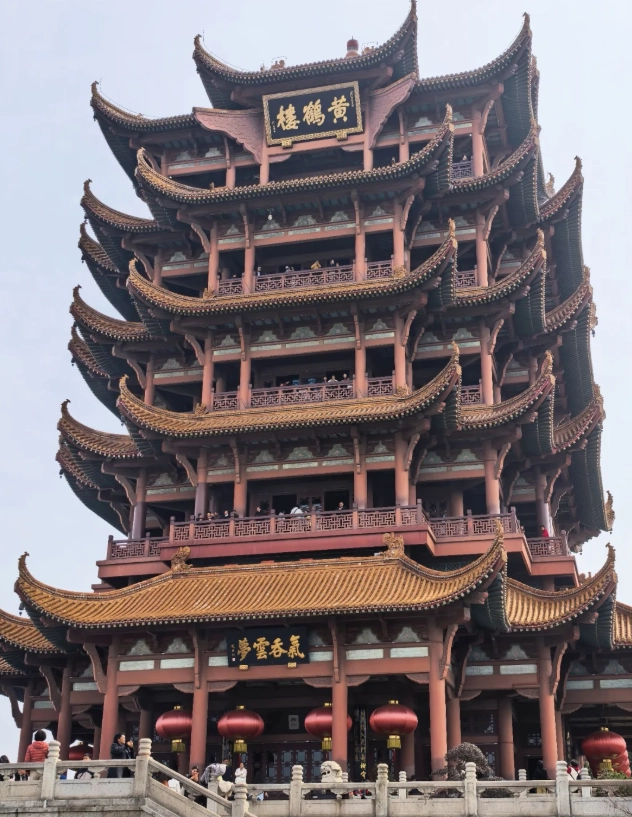
3. Where to Enter and Exit
You can only enter and exit through Wuhan Tianhe International Airport for the 144-hour visa. No other ports in Hubei province currently offer this policy. So if you plan to fly into Wuhan but depart from, say, Shanghai — sorry, this visa won't work. You must enter and leave via Wuhan.
Also, the visa allows you to travel only within Wuhan city (the administrative area of Wuhan). You cannot go to Yichang, Enshi, or other parts of Hubei. I once had a guest who took a taxi to a nearby city and was denied re-entry — he had to pay a fine and get a full visa. Stick to Wuhan.
4. Top Things to Do with Your 144 Hours
Here's a realistic itinerary that doesn't kill you. I've tested it with dozens of clients.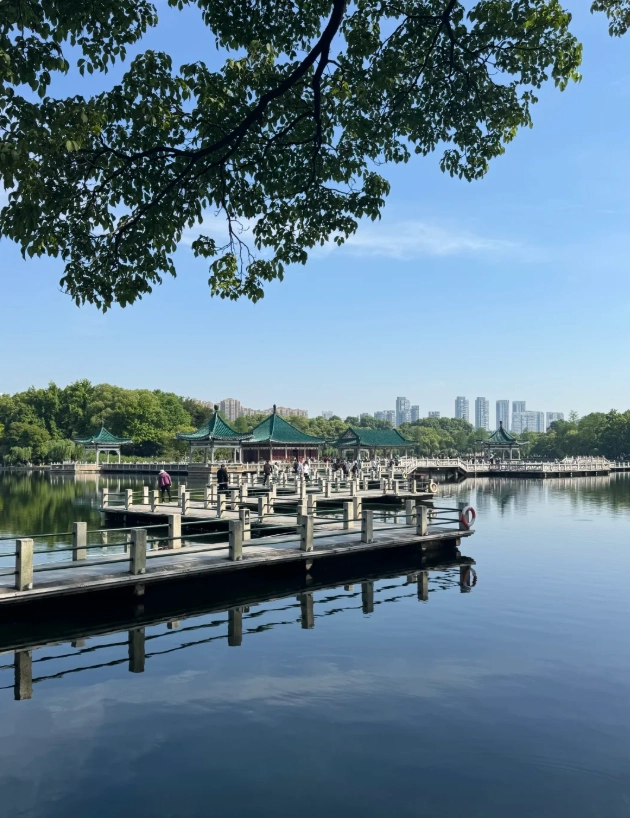
Day 1: Arrival & Huanghelou (Yellow Crane Tower)
After clearing immigration, take a taxi (about 40 minutes, ¥120-150) to your hotel near the city center. Drop your bags and head to Yellow Crane Tower — it's the iconic symbol of Wuhan. Entrance is ¥80 for adults (no online booking needed, just buy at the counter). The best time to go is around 4 PM; the sunlight hits the pagoda perfectly. Avoid going between 11 AM and 2 PM — I've seen too many tourists sweating under those steps. The metro station is Xiaodongmen (Line 5), Exit A, then a 10-minute walk. You'll need about 1.5 hours to see the main tower and the gardens.
Day 2: East Lake & Hubei Provincial Museum
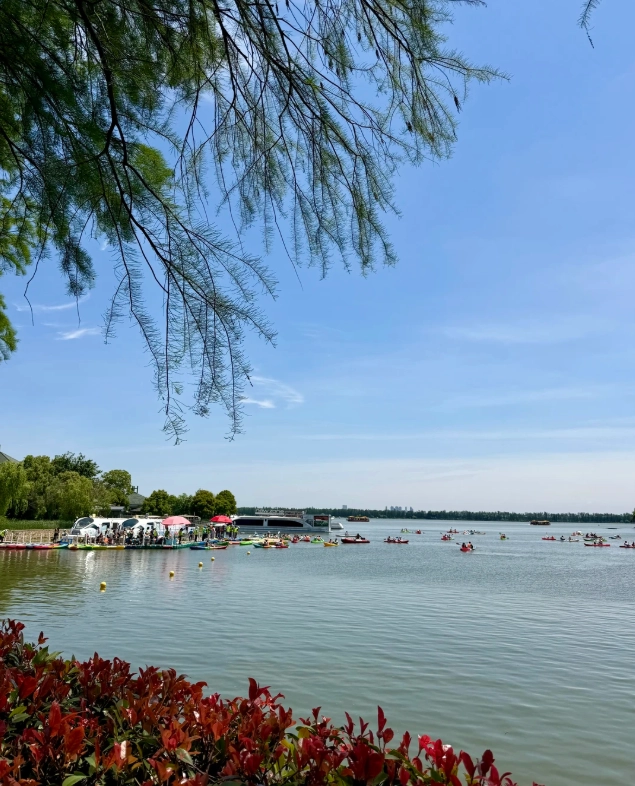
Start at East Lake Greenway (free entry). Rent a bike — there are public bikes at the gates — and cycle along the lake. The air smells like lotus in summer. Then walk to the Hubei Provincial Museum (free, but reserve online via WeChat mini-program "湖北省博物馆预约" — ask your hotel to help if you can't read Chinese). The museum houses the famous Chime Bells and a 2,500-year-old sword. You'll need 2-3 hours. The museum's exit leads you right back to East Lake; grab lunch at Caiglin Restaurant inside the park — their fish is fresh.
Day 3: Hankou Concession & Night Market
Take metro Line 1 to Dazhi Road (station: Dazhilu). Walk through the old British and Russian concessions — crumbling colonial buildings, tiny cafes. I always stop at Jimmy's Coffee (address: 28 Liheng Road) for a cold brew. At night, hit Hubu Alley (户部巷) for street food. Try the spicy duck necks (周黑鸭) and rice wine dumplings. Expect crowds from 7 PM onwards; go at 5:30 PM to avoid the worst queues. Pay in cash or WeChat; most stalls don't take international cards.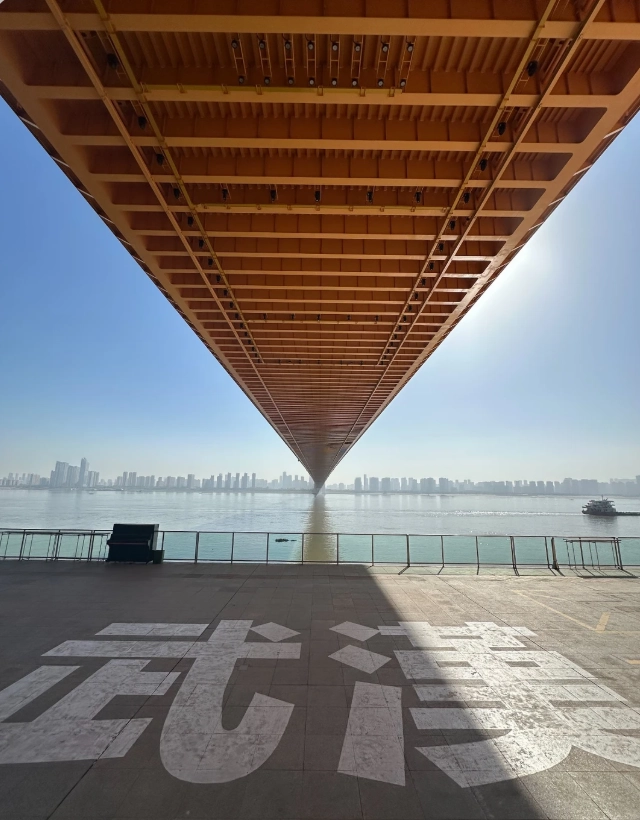
Day 4: Wuhan University & Luojia Hill
If you're visiting in March-April, the cherry blossoms at Wuhan University are stunning (but insanely crowded — reserve tickets online 3 days in advance). The campus is free year-round. Walk up to Luojia Hill for a panoramic view of East Lake. Cafeteria food at the student canteen is super cheap (¥15 for a plate) and you can pay with cash. Afternoon: explore the Optics Valley area — it's the tech hub, not very touristy but interesting to see modern China.
Day 5: Yangtze River Cruise & Departure Prep
Book a Yangtze River night cruise (¥150-200 per person, available at the dock near Hankou). The view of the lit bridges is gorgeous. Save time to pack and confirm your flight. Make sure you have your passport and the stamped departure form ready for the next morning.
Day 6: Morning Departure
Your 144-hour window ends by 2:30 PM (adjust based on your entry stamp). Head to the airport at least 3 hours early. If you overslept, don't panic — the immigration officers are reasonable, but they'll examine any last-minute arrival.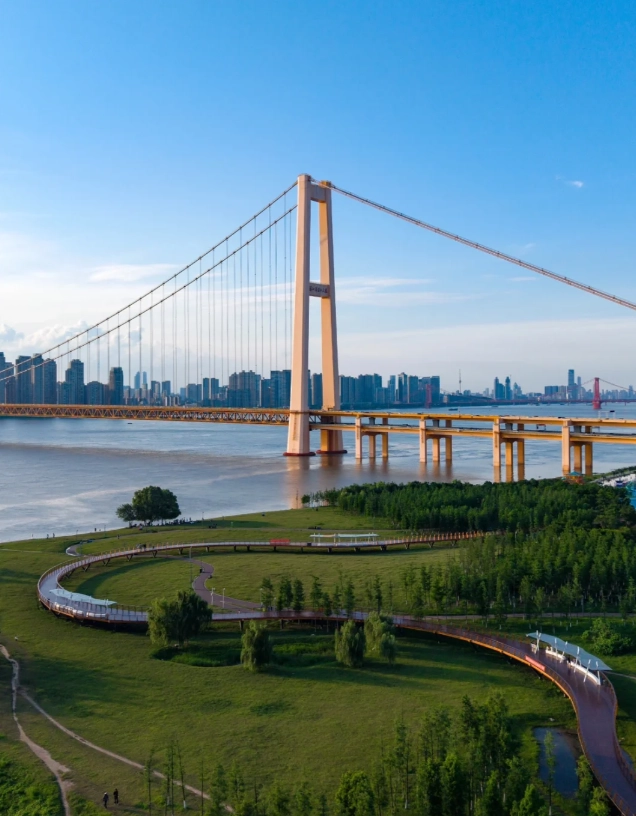
| Attraction | Entry Fee (Adult) | Best Visiting Time | How to Get There (Metro) |
|---|---|---|---|
| Yellow Crane Tower | ¥80 | 4 PM – 5:30 PM | Line 5, Xiaodongmen Exit A, 10 min walk |
| Hubei Provincial Museum | Free (reserve online) | 9 AM – 11 AM | Line 8, Liyuan Exit A, 5 min walk |
| East Lake Greenway | Free | Sunrise or late afternoon | Line 8, Liyuan Exit A, bike rental |
| Hubu Alley | Free (food costs) | 5 PM – 6:30 PM | Line 5, Xiaodongmen Exit B, 8 min walk |
5. Practical Tips for a Smooth Experience
- Cash is king: Many shops, especially smaller ones, don't accept Visa or Mastercard. Get about ¥500-1000 from the ATM at the airport. WeChat Pay is common but requires a Chinese bank account — you likely won't have it.
- Download these apps: Amap (Chinese Google Maps), Didi (like Uber) — you can use your foreign phone number to register, but it's tricky. Alternatively, just use taxis; they're cheap and the meters are honest. Prepare to show the address in Chinese.
- Hotel booking: I recommend Hanting Hotel near the Yellow Crane Tower (address: 108 Peng Liuyang Road). About ¥250/night, clean, friendly front desk who speak basic English. They offer luggage storage for free — use it if you arrive early after the hotel checkout.
- WiFi: Most hotels have decent WiFi, but you'll still need a VPN (like ExpressVPN or NordVPN) to access Google, Facebook, Instagram. Install it before you land — China blocks them.
- Tipping: No one tips here. Don't try.
6. Common Mistakes to Avoid
I've seen these over and over. Don't let them mess up your trip.
- Overstaying: The 144 hours are counted from the immigration stamp time. If you arrive at 2 PM, you must leave before 2 PM on day 6. Overstay even by an hour, and you'll get a fine (about ¥500) and a black mark. Set an alarm.
- Using a domestic onward ticket: The onward ticket must be international. If you book a flight from Wuhan to Beijing, you won't be allowed to use the 144-hour visa. You'd need a full tourist visa for that.
- Forgetting to print documents: The officers prefer paper: onward ticket, hotel reservation, passport copy. I always tell my clients to carry a small folder with these prints — it speeds things up.
- Thinking you can leave Wuhan: I already said it, but I'll stress again: you cannot leave Wuhan city. The visa restricts you to the administrative area of Wuhan. No day trips to the Three Gorges.
7. FAQ
Verified and fact-checked by the editorial team.







I'm giving this guide 3 stars because while it's well-written, the information feels outdated. When I arrived at Wuhan airport in March 2025, the officer told me that the e-visa registration link in the guide no longer works – they now use a different QR code. Plus, the section on hotel confirmation letters didn't mention that some hotels charge extra for the document. I ended up stuck at the counter for an extra 20 minutes sorting it out. The core steps are okay, but please update the file formats and contact numbers before relying on this.
Pretty solid guide overall – got me through the visa process with only one hiccup. The steps are well laid out and easy to follow. However, I found the part about staying within Wuhan a bit confusing: it says you can't leave the city, but I later read that you can actually visit nearby places like Huanggang as long as you depart from Wuhan? The guide could clarify that grey area. Also, a few links to official sources would add credibility. Otherwise, great resource, just needs a minor update.
I've read dozens of blogs and official pages about the 144-hour visa for Wuhan – this is hands down the most intuitive one. The author used simple language, bullet points, and even a flowchart that made the whole process click for me. I'm not a native English speaker and I had zero trouble following along. The section on what to do if your flight gets delayed was a bonus I didn't even think of. Printed it out and brought it to the airport – worked like a charm. Highly recommend!
As a first-timer with the 144-hour visa, I was overwhelmed by conflicting info online. This guide cut through the noise perfectly. It explained the time window rules, which train stations accept the policy, and even had a sample form fill-up. My only tiny gripe: it could mention some nearby day-trip options like Yellow Crane Tower or East Lake, but that's not the guide's core mission. Everything else was spot on. Saved me from a major headache. Rating: 5 stars easy.
This guide is an absolute lifesaver! I was nervous about the 144-hour transit visa process, but the step-by-step breakdown made everything crystal clear. From the required documents to the exact counter at Wuhan Tianhe Airport, I followed it to the letter and got through immigration in under 20 minutes. The tips on hotel confirmation letters were spot on. If you're planning a quick stop in Wuhan, don't waste time hunting elsewhere – this is all you need. 10/10 would recommend.