 Ling Wu
Quick Navigation
I've walked that bridge hundreds of times with clients—and honestly, the first time I went, I messed up. I showed up at noon on a Saturday, sweating under a cloudless sky, and got nothing but harsh shadows and annoyed tourists. So here's the deal: the Wuhan Yangtze River Bridge is a beast. It's over a kilometer long, with trains rumbling underneath and the Yangtze sprawling on both sides. But unless you know exactly where to stand and when, you'll end up with snapshots that look like everyone else's.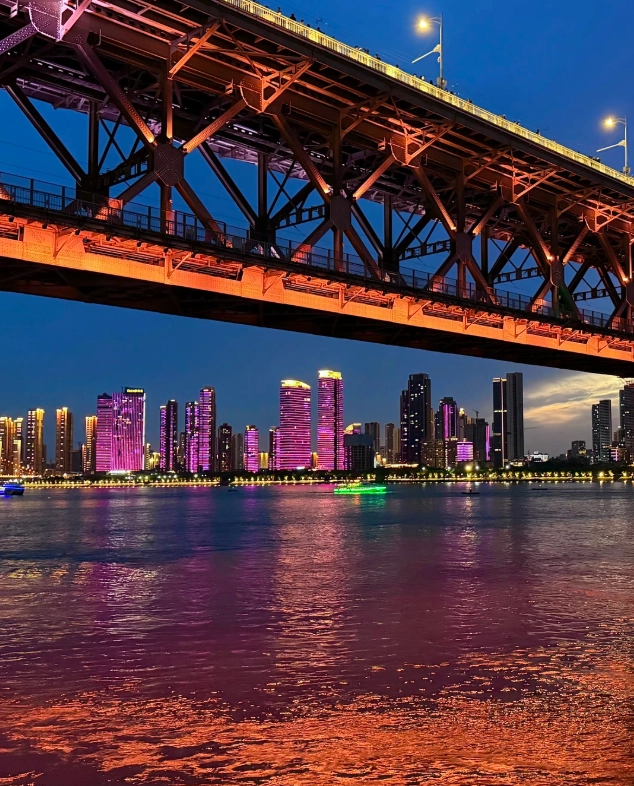
This guide isn't about generic advice. I'll tell you the exact meter mark on the pedestrian walkway where the train emerges perfectly for a portrait. I'll show you why the south end at 5:15 PM (in autumn) gives you golden light hitting the steel trusses. And I'll share the one spot where you can get both the bridge and the Yellow Crane Tower in one frame without a fisheye lens.
Best Photography Spots on the Bridge
There are roughly three zones worth your time. Each offers a different perspective.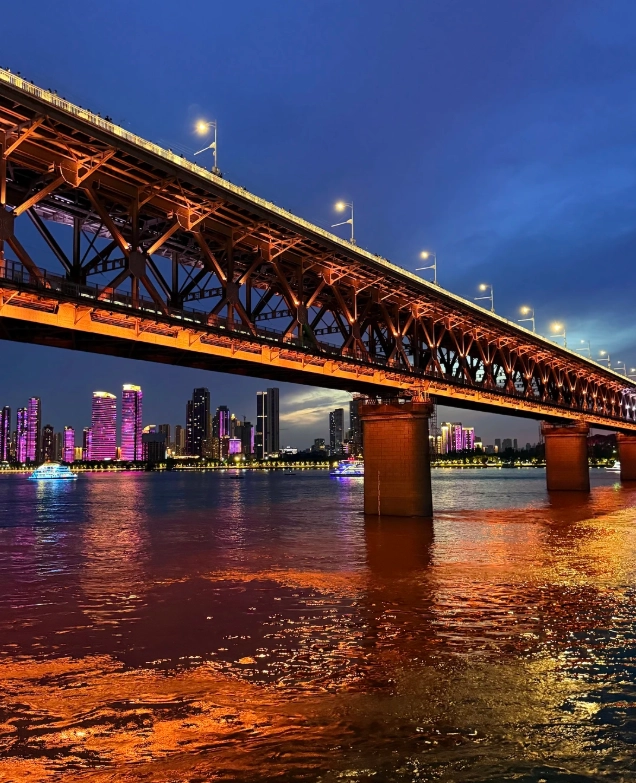
The South Tower Base (Sniper Alley)
This is my go-to. Walk to the southern end of the bridge where it meets the shore. There's a small platform behind the stairwell. From here, you can shoot straight up the bridge's steel arch with the river as background. The trick: use a wide lens (16-24mm) and crouch low to exaggerate the perspective. The train tracks run about 30 meters away—wait for a freight train and time your shot so the bridge lines frame the train. Most people skip this spot because it feels like a dead end. But that's exactly why you get clean frames.
The Mid-Point Balcony
Exactly halfway across, there's a slight widening (look for a fire extinguisher box). Stand with your back to the railing and shoot toward the north tower. The light here is tricky—morning sun from the east hits the tower's face, but afternoon backlight creates silhouettes. I prefer early morning (around 7 AM) when the mist over the river softens the background. Bring a tripod if you want the long-exposure effect of car light trails.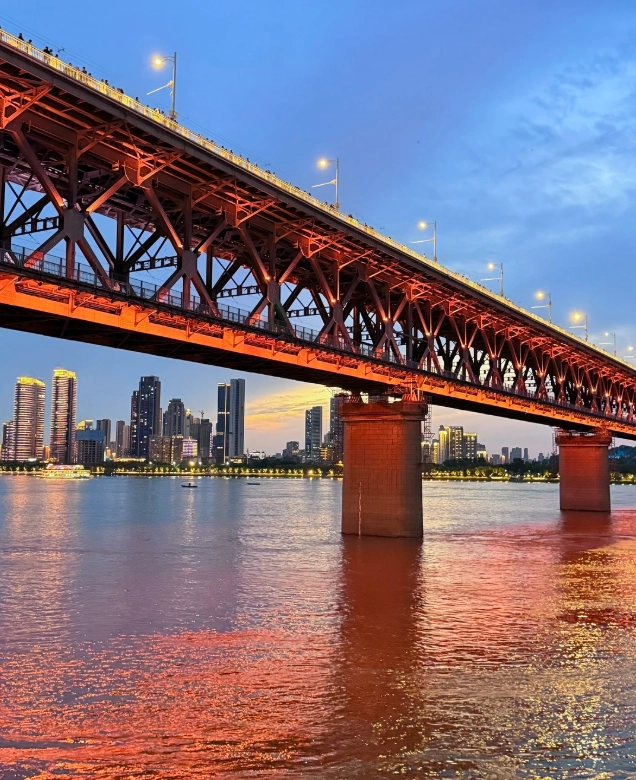
The North End Overpass
On the north shore, there's a pedestrian overpass that connects the bridge to the riverside park. Climb to the top of that spiral staircase. From there, you get a elevated view of the entire bridge sweeping toward the city. This is the only place where you can capture the bridge's full curve and the skyscrapers behind it. Best during blue hour (just after sunset).
| Spot | Best Lens | Golden Time | Crowd Level |
|---|---|---|---|
| South Tower Base | 16-24mm / 24-70mm | 7-8 AM, 4-5 PM | Low |
| Mid-Point Balcony | 24-70mm / 70-200mm | 6-7 AM | Medium |
| North End Overpass | 16-24mm | Sunset + 30 min | High (weekends) |
When to Shoot for Magical Light
Don't trust the generic "golden hour" advice. For this specific bridge, the light behaves differently because of the steel structure's orientation. The bridge runs roughly north-south. So in the morning, the east side of the bridge (facing Wuchang) gets direct sunlight. In the afternoon, the west side (facing Hanyang) lights up.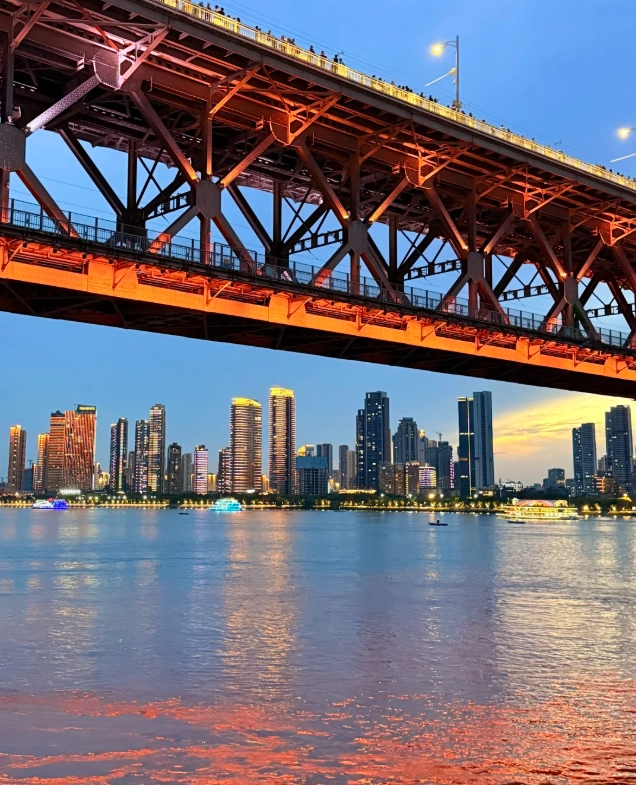
Here's the catch: if you want the bridge itself lit up, with warm tones on the steel, come between 4 PM and 5 PM in spring/autumn. The sun at that angle hits the trusses from the side, creating long dramatic shadows. But if you want the river reflections—those gorgeous orange ripples—you need to be on the south end around 6:30 PM in summer, just before the sun dips behind the hills.
How to Avoid Crowds: Insider Tactics
Weekends are a nightmare. Seriously, avoid Saturday and Sunday unless you're there before 7 AM. The pedestrian walkway gets packed with selfie-stick armies. Tour buses unload at the south gate from 9 AM onward. My trick: go on a weekday (Tuesday–Thursday) and arrive at 6:30 AM. The bridge is open 24/7 for pedestrians, but the security guards don't start sweeping the walkway until 8 AM. You'll have the place almost to yourself until about 7:30.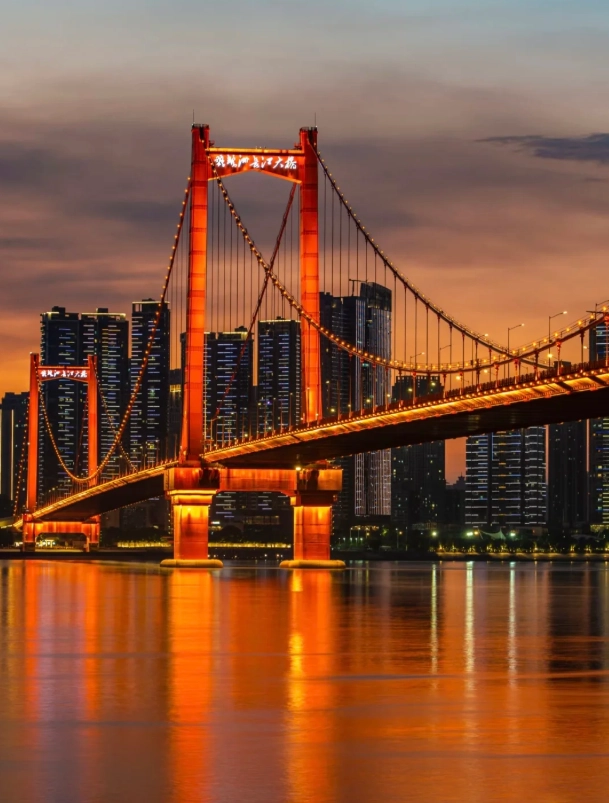
Another underused option: the rain. Light drizzle keeps crowds away, and the wet pavement reflects the bridge lights beautifully. Just bring a rain cover for your camera. And wear shoes with grip—the metal grate on the walkway gets slippery.
What to Bring for Bridge Photography
You don't need a full portfolio of lenses. Here's what I carry:
- Wide-angle (16-24mm): For the sweeping bridge arch and the overpass view. Essential.
- Standard zoom (24-70mm): For portraits and detail shots of the rivets, the train tracks, the statues.
- Telephoto (70-200mm): Optional but useful for compressing the bridge layers, especially from the north overpass.
- Circular polarizer: A must. The Yangtze River reflects a lot of haze, and a polarizer cuts through it, bringing out the deep blue or green of the water.
- Remote shutter or 2-sec delay: Handheld shots at 1/60 are fine, but if you want that silky water effect, you'll need a tripod and remote.
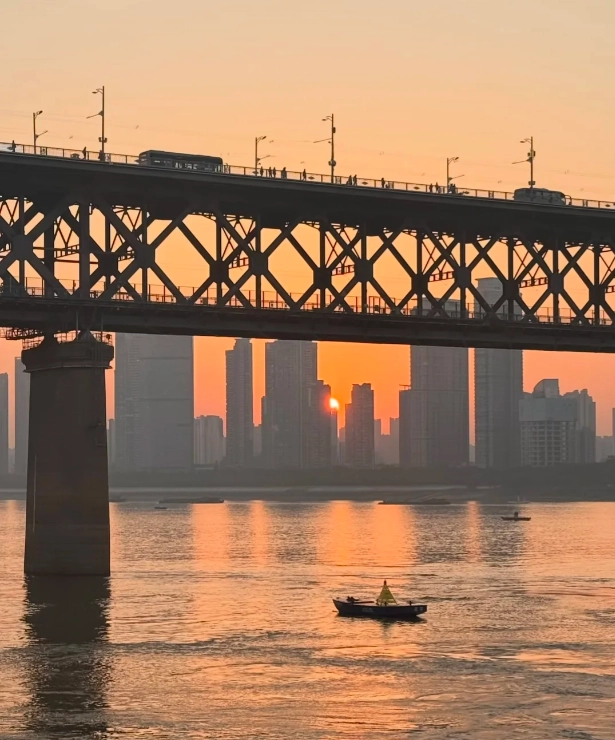
Oh, and don't forget to charge your phone—the QR codes for entry are scanned at the elevator (if you plan to use it). The elevator at the south tower (Wuchang side) costs 2 RMB for a one-way ride to the ground level. It's only for going down, not up. Most people miss that and end up walking the whole length twice.
Alternative Spots Nearby
If the bridge itself is too crowded, or you want a different angle, try these:
Yellow Crane Tower Park (South Hill)
Climb to the top of the hill inside the park, and you'll get a classic postcard shot of the bridge spanning across the river, framed by the tower's eaves. The park opens at 8 AM (ticket 80 RMB, book via WeChat mini-program "武汉市文化和旅游局"). Go during the week to avoid school groups.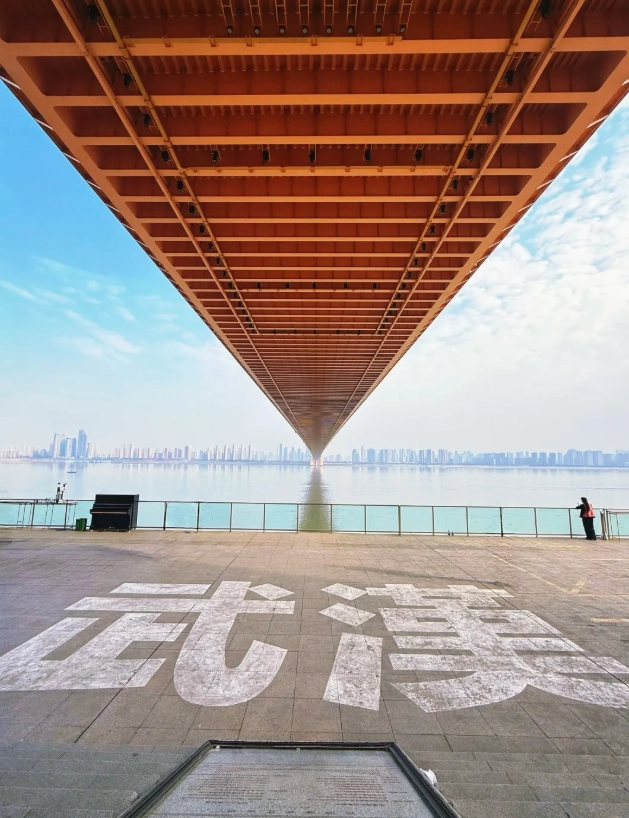
Hanyang Riverside Walkway
On the opposite shore, the promenade along Qingchuan Road offers a low-angle view. From here, the bridge looks massive against the sky. Best at sunset when the sun sets behind the bridge's silhouette. Free access, no tickets. Walk about 500 meters south from the Qingchuan Bridge intersection.
Wuhan Yangtze River Bridge Museum
Not a photography spot itself, but the small museum at the south base has a viewing balcony that few tourists use. It's open 9 AM–5 PM, free entry with ID. The balcony is only 10 meters above the road, but you can shoot the bridge from a slightly elevated angle without the crowds. Ask the guard to let you in—they usually do if you're polite.
FAQ
Verified and fact-checked by the editorial team.





Absolutely loved this spot! I’m a beginner photographer and even my phone shots turned out amazing. The early morning mist over the Yangtze added a dreamy layer to every frame. My favorite angle was from the southeast corner of the bridge park—you get both the bridge and the city skyline. Already planning a return trip!
Decent place for photography but nothing mind-blowing. The south side has a clear view of the bridge and the river, but the wind was brutal and made my tripod shake. If you shoot handheld, you'll struggle with sharpness. Light was okay around 4pm, not the best for dramatic shadows. A solid 4/10 experience.
Spent a whole afternoon scouting different angles. The best shot I got was from the north bank, right where the bridge meets the shore—you can frame the entire arch with the river stretching behind. Golden hour was perfect. Came back at night too, the bridge lights reflecting on the water are incredible.
Actually found this spot a bit overrated. The bridge itself is impressive but the official viewing platforms were packed with tourists, making it hard to get a clean shot. Sunset light was nice but I'd say the angle from the northwest side is mediocre. Okay if you have time, but not a must-do for photographers.
I went there at sunrise and the light was absolutely magical—golden hues hitting the steel trusses just right. The best angle is definitely from the south bank near the Yellow Crane Tower. Got some stunning long-exposure shots of the Yangtze with the bridge. Highly recommend!