 Bo Wu
Bo Wu
What's Inside
I once had a group of six tourists. All ready to explore Wuhan. Then the subway ticket machine ate their cash. No English. No reply. They stood there for 15 minutes. That's why I wrote this guide — so you don't get stuck like them.
Wuhan is huge. Three towns, two rivers, dozens of bridges. Public transport here is cheap and fast once you know the tricks. Most foreigners waste time because they rely on Google Maps (which works okay) but miss local shortcuts. After 8 years of guiding here, I've seen it all. Let me save you the headaches.
Single best piece of advice: Download Metro Wuhan (unofficial app) or use Alipay's transport feature. Cash is becoming rare on buses. Cards are easier. And never take a taxi from the airport without bargaining or using Didi.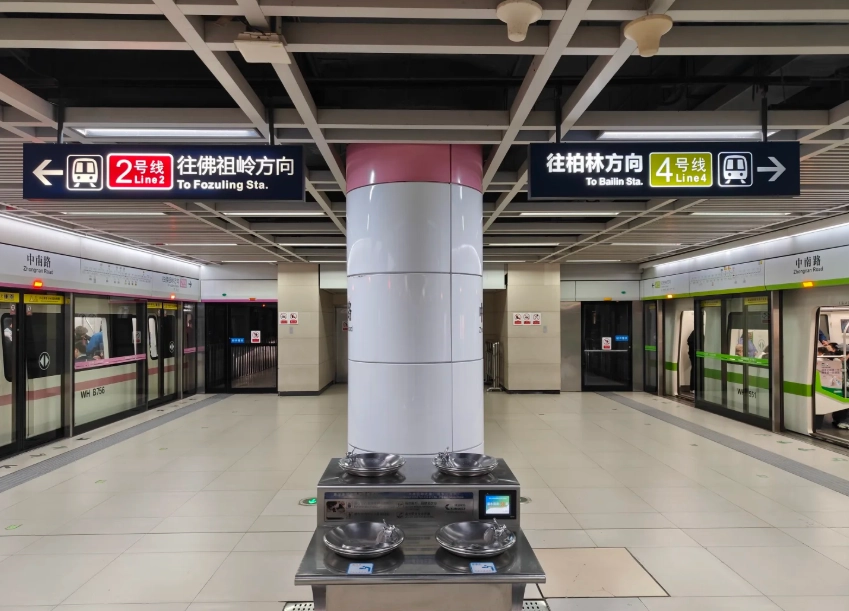
Why You Need This Guide
Wuhan's transport system is modern but fragmented. Subway covers the core but not every door. Buses go everywhere but can be confusing. Ferries are a hidden gem. Taxis are cheap when you get one, but peak hours are brutal. My goal? Give you the exact steps to move between tourist spots without panic.
Metro: The Backbone
The Wuhan Metro is your best friend. Clean, air-conditioned, and announcements in both Chinese and English. Nine lines in operation as of 2024, covering most attractions.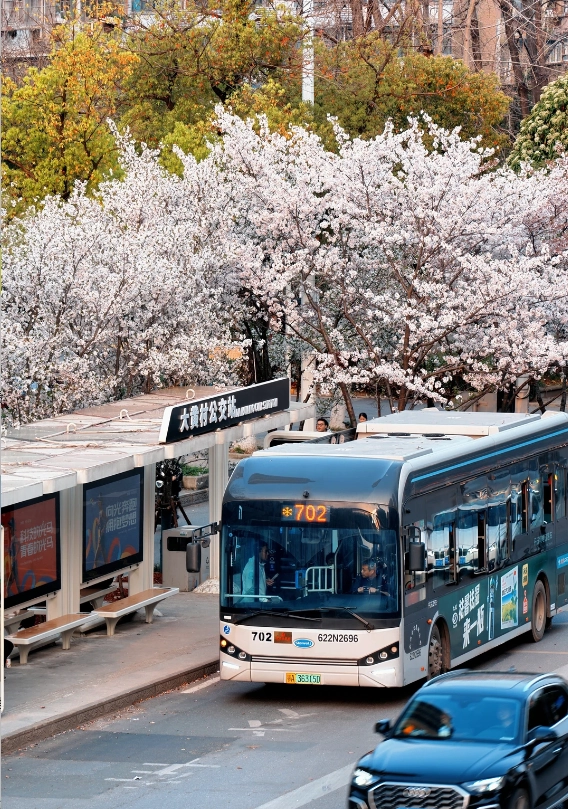
Lines and Key Stations
| Line | Color | Must-Know Stations | Connects To |
|---|---|---|---|
| Line 2 | Yellow | Hankou Railway Station, Jiedaokou, Optics Valley Square | Airport (Line 2 direct), Wuchang Railway Station (transfer) |
| Line 4 | Green | Wuchang Railway Station, Zhongnan Road, Fuxing Road | Yellow Crane Tower (from Fuxing Road, walk 15 min) |
| Line 6 | Pink | Qintai, Zhongjiacun, Tangjiadun | Qintai Grand Theater, Guiyuan Temple |
| Line 8 | Blue | Hubei Museum, Liyuan, Yuejiazui | Hubei Provincial Museum, East Lake |
Buying Tickets
Every station has ticket machines. Pay attention: Older machines only take cash (5, 10, 20 yuan notes) or coins. Newer ones accept Alipay and WeChat. Many stations now have QR-code scanners — just scan with Alipay's transport code and you'll skip the line. I always tell my clients: link a credit card to Alipay before you leave home. It saves you from hunting for change.
Pro tip: If you're staying more than 3 days, consider the Wuhan Tong stored-value card. Buy it for 20 yuan deposit at any station. Tap in and out. No more queuing. Refill at machines (cash or mobile). But for short visits, Alipay is easier.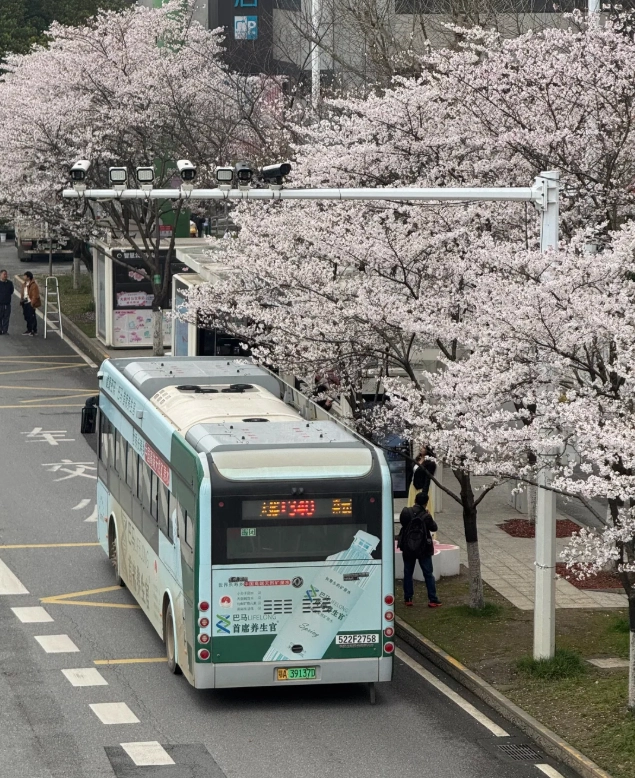
Operating Hours
Most lines run 06:00 to 23:00. Last trains leave terminals around 22:30. Check the board — some stations close earlier. I once had a couple stuck at Jianghan Road because they didn't realize the last train left at 22:42. Don't be them.
Bus Lines Explained
Buses fill the gaps where metro doesn't go. But they can be a maze. Over 300 lines. Most have Chinese-only signs, though some newer ones show English. How to use: Google Maps usually gives correct bus numbers and stops. Alipay bus code works on all buses. Scan the QR above the driver — the beep means success. Cash fare is 2 yuan, but drivers often refuse to give change because they don't carry coins. Yes, that happened to me. So use your phone.
Watch out: Buses in Wuhan sometimes skip stops if no one gets off. You need to press the stop button (red button near the door) or wave your hand when you see your stop approaching. Newcomers miss their stop all the time.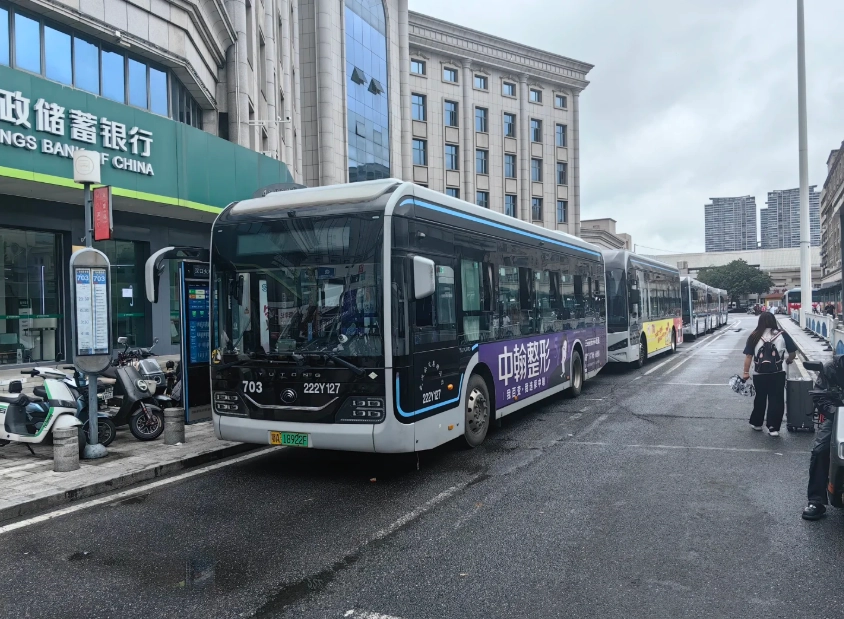
Ferry: Crossing the Yangtze
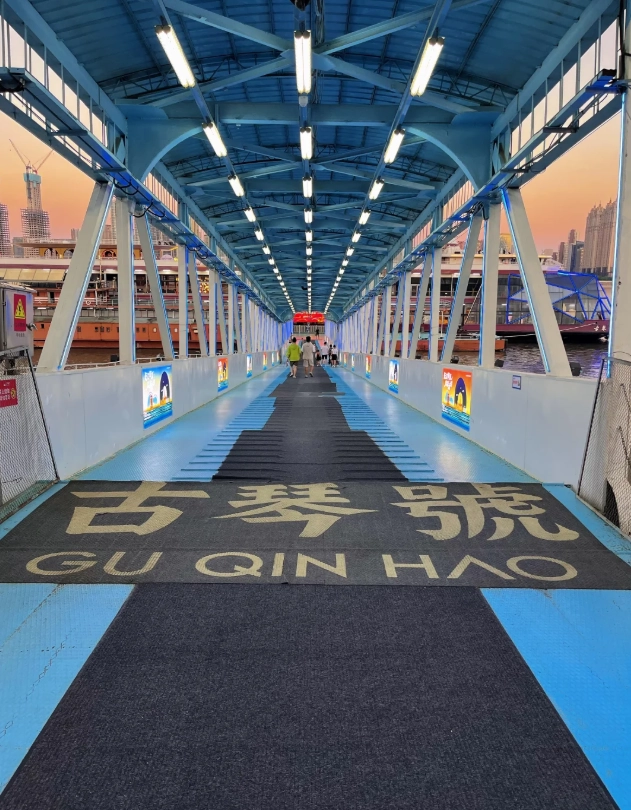
This is my favorite. The ferry is not just transport; it's an attraction. For 1.5 yuan (that's less than a bottle of water), you get a 20-minute cruise across the Yangtze. Two main routes: Wuhan Pass to Zhonghua Road and Hankou Pass to Zhonghua Road. The Zhonghua-Hankou line runs from 06:30 to 20:00. Pay with Alipay or Wuhan Tong. No cash tickets at some gates now.
Insider tip: Go at 17:00, catch the sunset over the river. The light on the bridge is magical. Avoid weekends unless you like crowds. And sit on the right side – that's where the Yangtze River Bridge frames perfectly.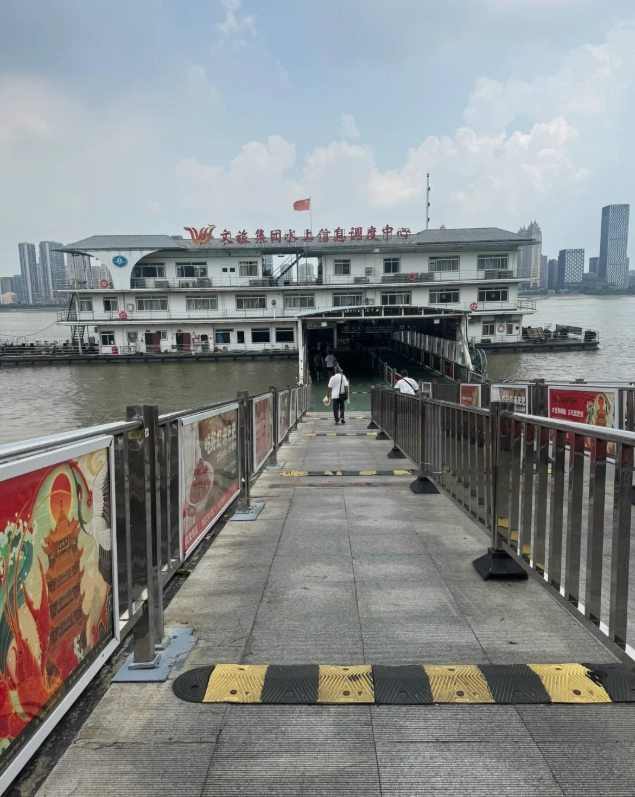
Didi and Taxis
Taxis are cheap (starting 10 yuan for 3 km) but hard to hail during rain or rush hour. Most drivers speak zero English. They will show you a fare meter. Biggest problem: Some taxis refuse to go to certain areas (like Optics Valley at 5pm because of traffic). I've seen drivers simply roll down the window, ask your destination, and drive off if they don't want to go. Frustrating.
Use Didi instead. It's the Chinese Uber. Download the app but the interface is in Chinese. However, there's an English version if you switch your phone language. Even better: use Alipay's Didi Mini Program. Open Alipay, search "Didi" (maybe need Chinese characters), and you'll see a mini-app. It shows real-time price and you can book a taxi anywhere. Pay with Alipay. No cash needed. I always do this for clients.
Warning: Didi sometimes has surge pricing (like 1.5x). Not a lot, but if you're on a budget, wait 5 minutes and check again. Taxi drivers do accept cash, but they rarely have change for 100 yuan bills. Small notes only.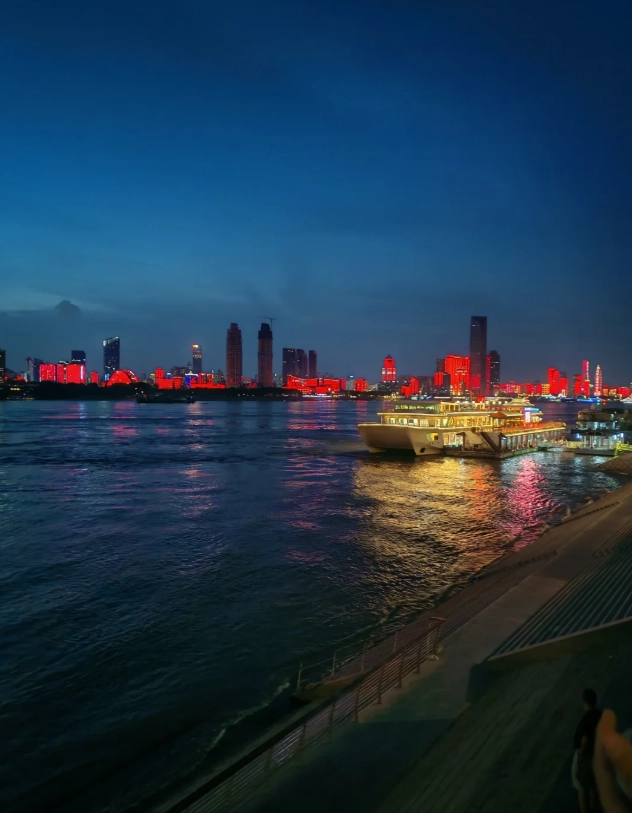
Bike Sharing
Bikes! Hellobike and Meituan are everywhere. Use Alipay or WeChat to scan the QR code. First ride often free, then 1 yuan per 30 minutes. They're perfect for short hops — say, from Zhongjiecun to the Yellow Crane Tower (15 minutes uphill though).
Reality check: Wuhan's bike lanes are inconsistent. Some roads have them, some don't. Drivers don't always respect bikes. I recommend biking only on eastern side (near East Lake) or on riverside paths. Downtown can be stressful. Also, many bikes are parked outside the designated zones — you'll be fined if you park illegally. The app shows where to park. Don't ignore it.
Wuhan Transport Card (Wuhan Tong)
A green card called Wuhan Tong. Buy it at any metro station (20 yuan deposit + any top-up). It works on metro, bus, ferry, and even some taxis. Is it worth it? For 2-3 days, just use Alipay. For a week, yes — because tapping is faster than scanning a QR, especially when the gate signal is slow. But if you lose it, you lose the deposit. I always keep mine in a neck pouch.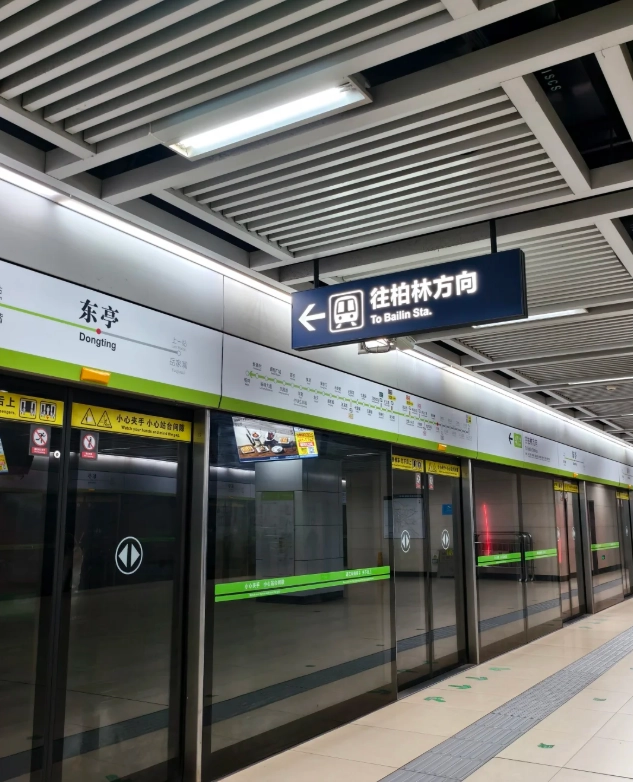
Airport to City: Tianhe Airport Routes
Wuhan Tianhe Airport (WUH) is in the north. You have three options:
- Metro Line 2 — direct to Hankou, Wuchang, and Optics Valley. 45 minutes to Jiedaokou. Cheap at 7 yuan. The station is at the terminal basement. Follow signs. Last train around 22:30.
- Airport Bus — multiple lines to major areas. 20-30 yuan. Buses run until last flight. They are slower because of traffic.
- Didi — about 100-150 yuan depending on distance. Good if you have luggage and a group of 3-4. But beware: the ride-hailing pickup point is upstairs, not downstairs where taxis wait.
I usually steer clients to the metro. It's fast, clean, and safe. Only downside: you might need to stand if it's peak hour (17:30-19:00). But air-conditioned.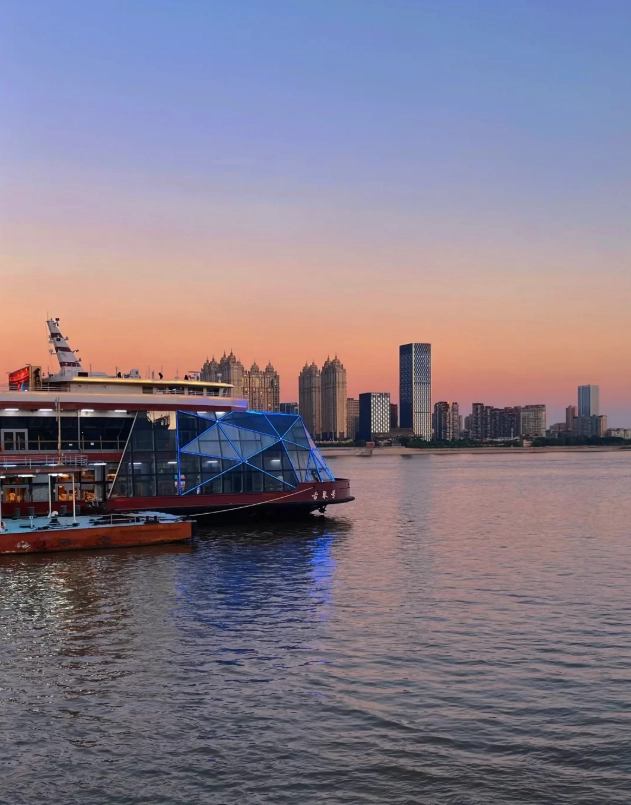
Common Mistakes (And How to Avoid)
Okay, let's talk. I've seen people make these mistakes again and again.
- No Alipay before departure. You land, you can't buy a ticket because the machine only takes Chinese mainland bank cards. Foreign cards don't work. Set up Alipay and link your Visa/Mastercard before you fly.
- Using cash on buses. They won't give change. Only a few old buses accept coins. Use Alipay or your transport card.
- Boarding the wrong metro direction. Wuhan Metro lines have two directions — endings shown in English. For example, Line 2 has two ends: Tianhe Airport and Optics Valley. If you board the wrong one, you'll end up at the airport. Check the destination above the door.
- Not pressing the bus stop button. Buses only stop if someone signals. Stand up and press the red button one stop before yours.
- Assuming taxi drivers speak English. They don't. Show them your destination in Chinese on your phone. Keep a map open. Some might still nod and drive the wrong way. Follow your GPS on your phone.






Decent effort but fell short. The guide claims to be 'navigate like a local' but the app links provided were broken, and a couple of bus numbers had changed. I ended up relying on my own phone map more than this booklet. Could use an update.
Very helpful overall, especially the metro map integration. However, I found the bus times for some suburban routes were a bit outdated. Still, it got me where I needed to go 90% of the time. A solid resource.
As a local, I thought I knew everything, but this guide has some hidden gems! The shortcuts through the alleyways near Hanzheng Street and the exact stops for the best breakfast spots really impressed me. Great detail and very well organized.
Absolutely spot-on. I've been living here for a year and this guide still taught me a few tricks. The tips about avoiding rush hour on Line 2 and the cheap ferry routes across the Yangtze are gold. Printed it out and kept it in my backpack all trip.
This guide was a lifesaver! I was totally lost trying to figure out the bus routes in Wuhan, but the step-by-step instructions on how to use the metro and bus card made everything so easy. Even the local street signs made sense after reading this. Highly recommend for first-timers!