 Tao Xu
What's Inside
Look, I've been guiding travelers in China for years. Every week I get someone asking: "Can I visit Wuhan without a visa?" The answer is yes — but only if you play by the rules of the 144-hour transit policy. Let me save you the headache I've seen dozens of tourists face.
Here's the catch: most online guides tell you it's simple, but they skip the real pitfalls — like which airport counters check your onward ticket, or why your credit card might fail at the ticket booth. I'll cover all that.
Bottom line upfront: The 144-hour visa-free transit is your golden ticket, but you must enter and exit through Wuhan Tianhe Airport, hold a valid passport from an eligible country, and have a confirmed onward flight to a third country (not back home). Now let's dive into the details.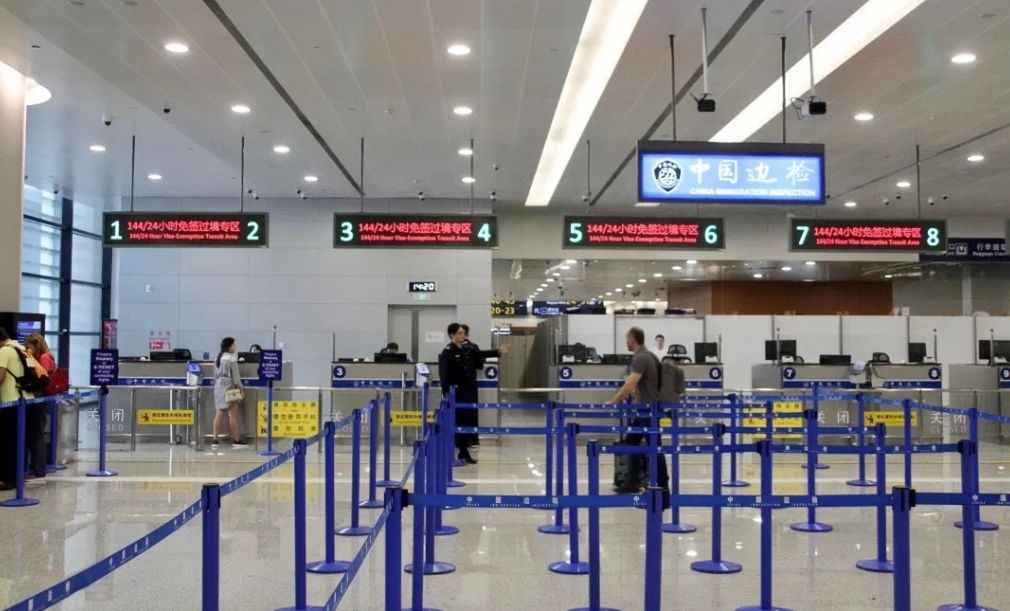
Why This Works: The 144-Hour Policy
Wuhan is one of 20+ Chinese cities offering 144-hour (6-day) visa-free transit. It applies to nationals of 53 countries including the US, UK, Canada, Australia, most EU nations, Japan, South Korea, etc. The clock starts ticking from midnight after your arrival day. So if you land at 3 PM on Monday, your allowed stay runs through Sunday midnight — effectively almost 4 full days.
Step-by-Step Eligibility Check
Before you book anything, confirm these three things: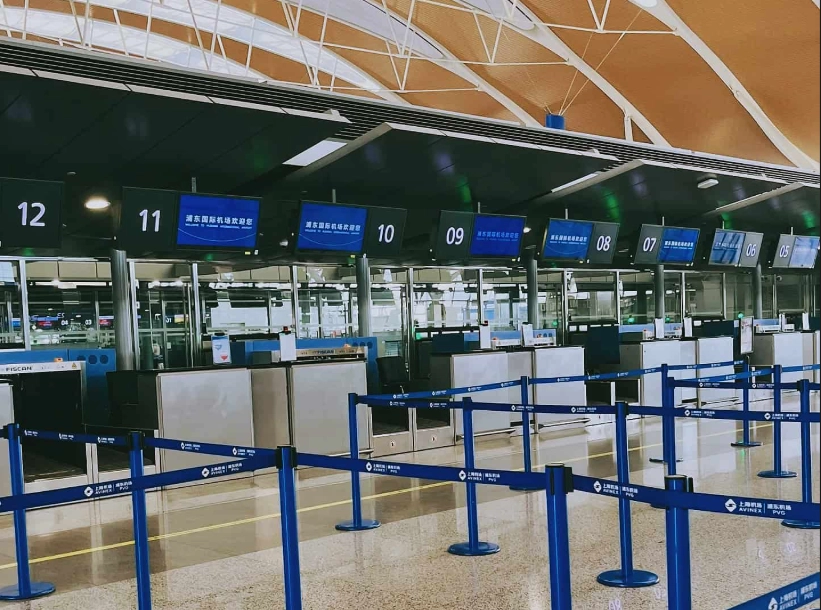
| Requirement | Details |
|---|---|
| Passport nationality | Check the official list of 53 eligible countries (e.g., USA, UK, Canada, Australia, Japan, South Korea, most EU). |
| Onward ticket | You must have a confirmed flight ticket from Wuhan to a third country (not your home country). Example: London → Wuhan → Bangkok works. London → Wuhan → London does NOT. |
| Entry & exit via Wuhan | Both your arrival and departure flights must be through Wuhan Tianhe Airport. No other Chinese airport counts. |
The visa-free entry form is filled out at the airport upon arrival. You'll need to show your onward ticket and hotel reservation (optional but recommended). The immigration officer will stamp a 144-hour stay permit. Keep that slip safe.
3-Day Itinerary: Best of Wuhan Visa Free
Assuming you arrive early morning Day 1 and depart late afternoon Day 3, here's a realistic plan that I've tested with my groups. No rushing, no exhaustion.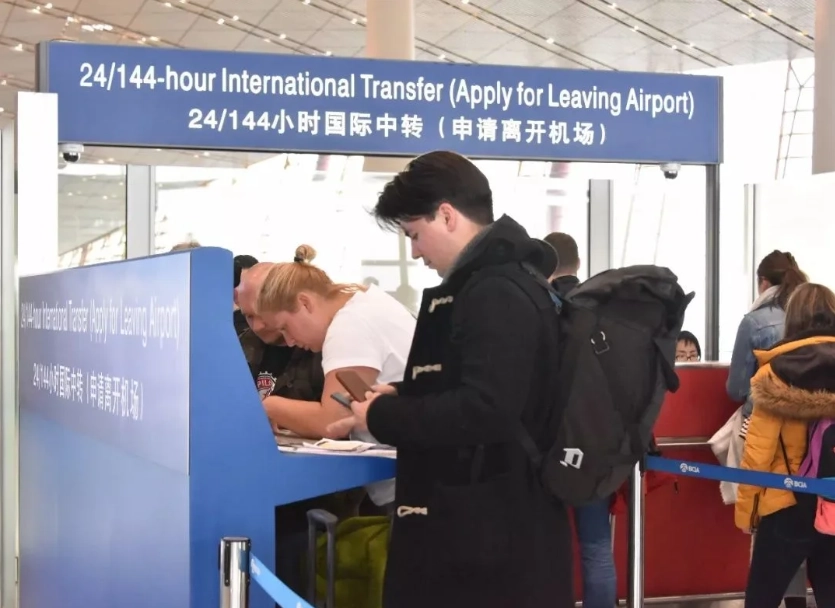
Day 1: Arrival & Riverside Evening
Morning: Land at Wuhan Tianhe Airport (WUH). After clearing the 144-hour visa-free counter (usually takes 15-30 mins), take the airport express metro line 2 to downtown. Get off at Hankou station area. Check into a hotel near Jianghan Road.
Afternoon: Walk off jet lag along the Yangtze River at the Hankou Bund. The riverside promenade is free and offers great views of the Wuhan Yangtze River Bridge. Grab lunch at a local noodle shop — try re gan mian (hot dry noodles). I always take my groups to Cai Lin Ji (address: 125 Lihuangpi Road). It's famous, cheap (about 15 RMB), and they have picture menus.
Evening: Head to Jianghan Road Pedestrian Street. This is where locals hang out. Street food, live music, and neon lights. Try the spicy duck neck from Jingwu Duck Neck (branch at 188 Jianghan Road). Warning: it's really spicy — have a cold beer ready. I usually tell my clients to skip the overpriced souvenir shops here; just enjoy the atmosphere.
Day 2: History & Lake Views
Morning: Take a taxi (about 30 RMB) to Yellow Crane Tower. Ticket: 70 RMB (no discount for foreigners, but seniors over 65 half price). The official opening time is 8:00 AM, but I always arrive at 7:50 — the crowds come after 9:30. Pro tip: climb to the top floor for a panoramic shot of the Yangtze River. Avoid the middle floors, they're packed with tour groups.
Lunch: Walk 10 minutes to Hubu Alley breakfast street. Even at noon, many stalls are open. Try the doupi (sticky rice wrap) and sheng jian bao (pan-fried buns). Bring cash — most stalls don't take cards. I once got stuck without cash and had to ask a stranger to scan my Alipay. Embarrassing.
Afternoon: Take metro line 4 to Chuhe Han Street, then walk to East Lake — China's largest urban lake. Rent a bike (10 RMB/hour) and cycle the greenway. Or take a boat (50 RMB for 30 min). Skip the "Tingtao Scenic Area" entrance fee (60 RMB) — the free lakeside paths are just as beautiful.
Evening: Dinner at Laotongcheng (address: 1-2, Zhongshan Avenue). Famous for Wuhan's lian ou tang (lotus root soup) and steamed fish. Price per person: 80-120 RMB. It's packed at 7 PM — expect a 20-minute wait. They accept Alipay but not international credit cards. I always carry 200 RMB cash for such places.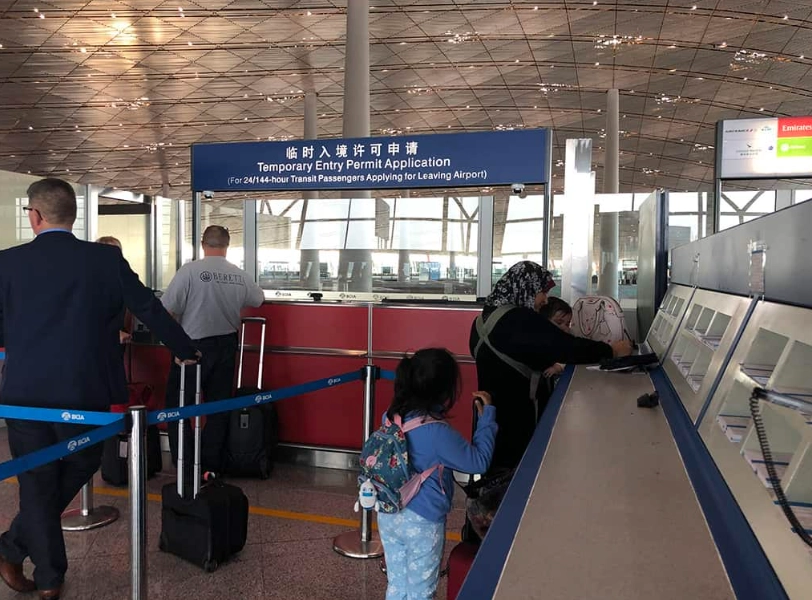
Day 3: Temples & Fly Out
Morning: Visit Guiyuan Buddhist Temple. Entry: 20 RMB. It's a quiet compound with a famous arhat hall. Give yourself 1.5 hours. The temple is walking distance from Guiyuan Temple Vegetarian Restaurant (inside the temple grounds) — try the vegetarian rou mo (mock meat) noodles. Not many tourists know this spot.
Final stop: Before heading to the airport, grab a quick lunch at Yan Caiguan (address: 561 Jiefang Avenue). Their wuhan hot dry noodles and mianwo (fried dough ring) are legendary. Then take metro line 2 directly to the airport (45 min from Hankou station). Arrive at least 2.5 hours before your flight — security can be slow for international departures.
Where to Stay for Convenience
I recommend the Hankou area near Jianghan Road or around Zhongshan Park. Here are three solid options for different budgets:
| Hotel | Price Range | Pros | Cons |
|---|---|---|---|
| Holiday Inn Wuhan Riverside (No.88 Yanjiang Avenue) | 500-800 RMB/night | Great location on the Bund, English-speaking front desk, stable WiFi | No breakfast included; slightly dated interior |
| Ji Hotel (Jianghan Road) (No.129 Jianghan Road) | 250-400 RMB/night | Clean, modern, right on pedestrian street, elevator | Small rooms, little soundproofing – ask for higher floor |
| Wuhan Tianhe Airport Hotel (inside terminal) | 300-500 RMB/night | Perfect for late arrivals or early departures, direct access to terminal | Far from city attractions (30 min metro to downtown) |
For backpackers, try Lazy Bee Hostel near Wuchang Railway Station — dorm beds from 60 RMB. But be warned: WiFi can be spotty and the staff speaks limited English. Always have your hotel address written in Chinese for taxi drivers.
Money Tips: Avoiding Payment Traps
This is where most foreign tourists get stuck. China is almost cashless — everyone uses WeChat Pay or Alipay. But as a short-term visitor, setting those up is a headache (needs a Chinese bank card or foreign card that works). Here's my practical advice:
- Bring a Visa/Mastercard that works at ATMs. Withdraw cash at airport machines (bank of China, ICBC). Expect a fee of about 15 RMB per withdrawal.
- Carry 500-1000 RMB in small bills (20s and 10s). Street food, taxis, and small shops often only take cash.
- Many tourist sites (Yellow Crane Tower, East Lake boat) accept WeChat Pay but not cards. If you don't have Alipay, use cash at the ticket counter — they must accept it by law.
- Download Alipay before you go; some international cards can be linked for payment (but it's not reliable — I've seen it fail). Have a backup plan.
FAQ: Real Questions from My Travelers
Verified and fact-checked by the editorial team.






The idea of visa-free transit is great, but the execution at Wuhan airport left me frustrated. I waited nearly an hour in line because there was only one officer handling the visa-free transit desk, and he seemed to be learning the process on the fly. Also, it only works if you enter and exit through Wuhan—not useful if your connecting flight is via another Chinese city. They really need more staff and clearer communication. I'd think twice before relying on this again.
Good policy overall, but the signage at the airport could be better. I followed the regular 'Transit' signs and almost ended up in the wrong queue. There was no clear English indication that visa-free transit had a separate lane. Once I found the right counter, the staff were efficient and friendly. The 144-hour exemption itself is fantastic—just a bit more clarity on the ground would make it perfect.
I was a bit nervous trying the 144-hour transit without a visa for the first time, but it turned out to be the easiest part of my trip! The immigration officer only asked for my departure flight info and hotel reservation, then stamped my passport in under two minutes. I even had time to explore Wuhan—the Yellow Crane Tower and the street food were amazing. This policy is a game-changer for layover travelers. 10/10 would use again.
Second time using this policy and it's still flawless. Saved myself the hassle and cost of a visa. The staff at the transit counter were professional and even handed me a small pamphlet in English about what to do in Wuhan for 144 hours. No extra questions, no drama. If you have a long layover, this is the way to go. Highly recommend it to any traveler passing through.
Absolute lifesaver for my layover! I flew from London to Wuhan and then onwards to Seoul. The 144-hour visa-free transit meant I didn't have to deal with any visa paperwork. The process at Wuhan Tianhe Airport was super smooth—the customs officer just checked my onward ticket and hotel booking, smiled, and stamped me through. I was out in less than 15 minutes. If you're transiting through Wuhan, take advantage of this, it's a no-brainer!