 Chen Liu
Quick navigation
Three hours. That’s how long my clients waited in the sun at the South Gate last week — all because they didn’t know how to buy a metro card. Forget the glossy brochures. If you don’t know the exact WeChat mini-program trick, you’re going to lose time and money.
I’ve been guiding tours in Guangzhou for over eight years. I’ve seen tourists cry over taxi scams, miss flights because of wrong subway exits, and spend a fortune on Didi when the bus was literally 2 yuan. This guide is the stuff I tell my friends before they visit. No fluff, just the raw truth.
Here is exactly how to skip the queues, handle the payment nightmare, and get around like a local in under two hours.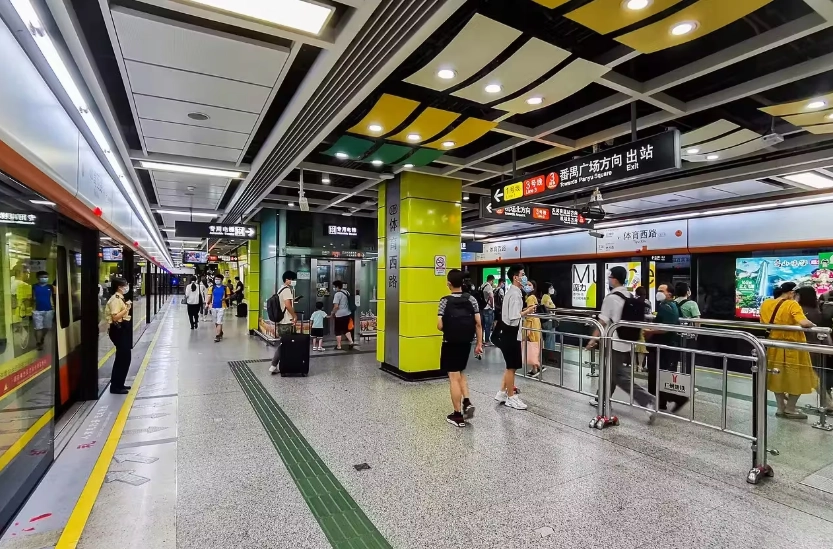
Metro basics: lines, exits, and timing
Guangzhou’s metro is vast — 16 lines and counting. It’s usually my go-to recommendation. Clean, air-conditioned, and announcements come in English. But there are traps.
Which lines cover the main attractions?
Line 2 goes straight to the Canton Tower (Exit A). Line 1 hits the old city (Chen Clan Academy, Exit E). Line 3 connects the airport to the city center — but avoid it during 7:30-9 AM and 5:30-7 PM. It’s a wall of bodies. Believe me, I’ve been squeezed so hard I couldn’t breathe. If you must ride those hours, pick Line 2 or Line 5 instead; they’re less brutal.
How to get a metro card without Alipay?
Don’t have WeChat Pay or Alipay? Most ticket machines accept cash, but only 5, 10, and 20 yuan notes. No change given! So bring exact change. At Guangzhou East Railway Station and Airport South stations, there are service counters where staff (very limited English) can sell you a Yangchengtong card — a stored-value card that works on metro, buses, and even some taxis. Deposit is 20 yuan, refundable at the airport station. I always tell my clients: buy this card first, it saves at least 30 minutes per day.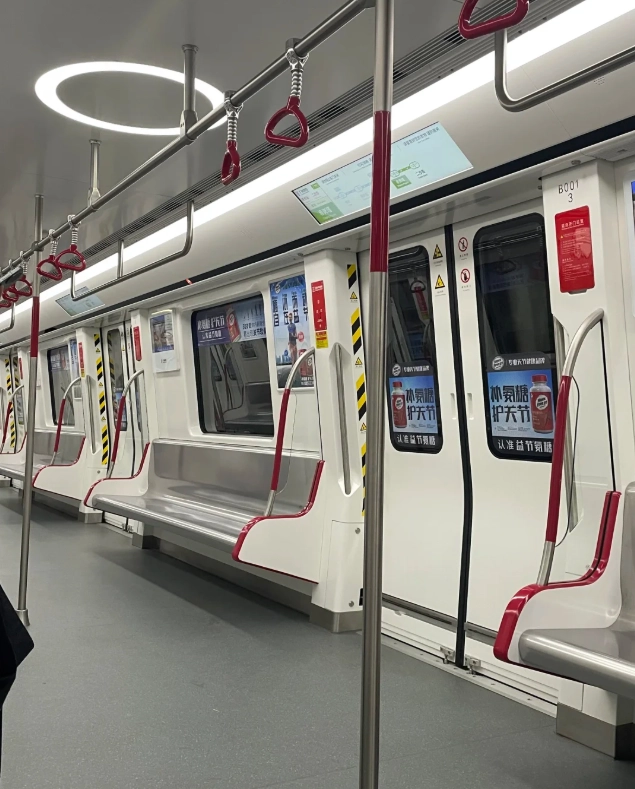
My personal tip: If you land at the airport, don’t queue for the ticket machine. Walk straight to the service counter (follow the signs for 'Customer Service'). Show them your passport and say 'Yangchengtong'. They’ll understand.
Which exit to use near popular spots?
At Canton Tower station (Line 3/APM), Exit A leads directly to the tower ticket office. But at 6 PM, the elevator queue at A can be 20 minutes. Instead, use Exit B and walk along the riverside — 5 minutes longer but you skip the crowd and get a great photo of the tower lit up.
For Shamian Island (Line 1, Huangsha Station), Exit D is closest. But the road to the island has no shade — brutal in summer. Exit E has a canopy of trees, so take that if it’s sunny.
Bus tips: when to avoid and which routes
Buses are cheap (1-2 yuan) and cover places the metro doesn’t. But reading the Chinese-only route boards? Nightmare. Plus, you need to tap your card or scan a QR code — no cash accepted on most buses.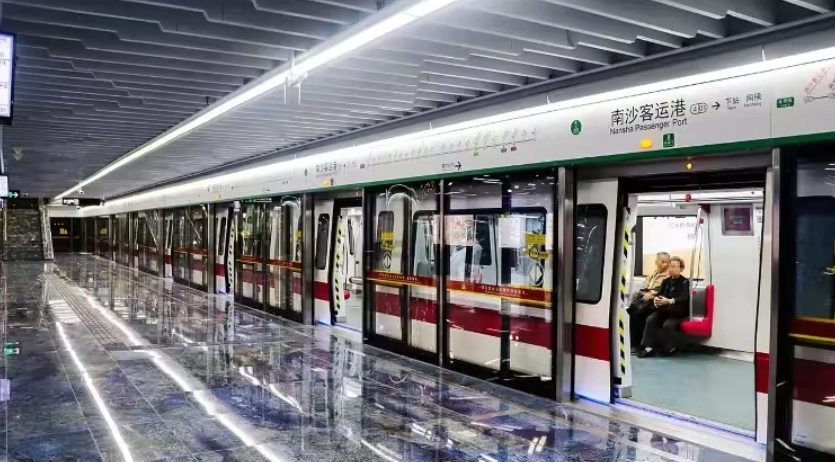
The only bus routes you’ll actually need
Bus 229 goes from the airport to the city center — but it’s slow (about 1.5 hours vs metro’s 45 minutes). Only take it if you’re on a tight budget (5 yuan vs 9 yuan for metro).
For a scenic ride along the Pearl River night cruise, take Bus 131A from Tianzi Pier. It runs along the riverbank and costs only 2 yuan. The night view is free — just grab a seat on the left side.
Watch out: After 10 PM, many bus lines stop running. The last bus on popular routes like line 301 leaves at 10:30 PM from the main station. Always check the timetable on the Guangzhou Bus WeChat mini-program.
Payment nightmare: WeChat Pay vs cash vs card
Let’s be real: foreign cards rarely work in Guangzhou’s transport. Visa and Mastercard are not accepted on metro ticket machines, bus card loaders, or most Didi cars. You have three options: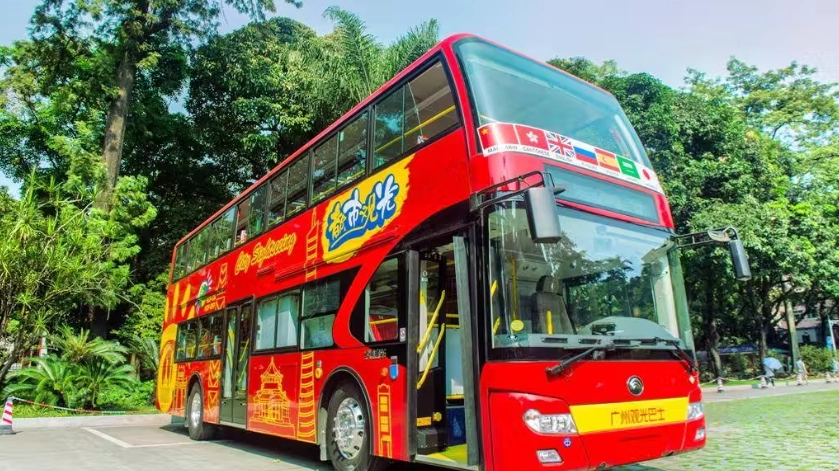
| Method | Works where | Hassle level | My verdict |
|---|---|---|---|
| WeChat Pay (linked to international card) | Metro QR code, bus QR, Didi, bike-sharing | Medium (setup takes 15 min, needs foreign passport verification) | Best if you set it up before arrival |
| Cash (RMB) | Metro ticket machines (exact change needed), some taxis | Low but inconvenient | Carry 100 yuan in small notes as backup |
| Guangzhou Transport Card (Yangchengtong) | Metro, bus, some taxis, ferries | Low (buy at any station) | My top recommendation for first-timers |
Pro tip: The WeChat mini-program called 'Guangzhou Metro' allows you to scan a QR code to enter gates — no need to buy a ticket. But you must have WeChat Pay funded. If your foreign card fails, ask a local to top up your WeChat wallet via Alipay. Many hotel staff will do it for you.
Airport to city: express train, taxi or bus?
Guangzhou Baiyun Airport (CAN) has three terminals. T1 and T2 are connected by a free shuttle. The fastest way to downtown is the metro Line 3 direct train (9 yuan, 45 minutes to Tiyu Xilu). But during peak hours, you might have to wait 10 minutes for a train with space.
Taxi trap at the airport
Taxis queue at the official rank. Always ask to use the meter ('da biao' in Chinese, pronounced 'daa bee-ow'). If the driver quotes a flat price (usually 200-300 yuan), refuse. A metered ride to the city center (e.g., to Beijing Road) is about 120-150 yuan including tolls. I’ve seen drivers charge 400 yuan to tourists who didn’t know better.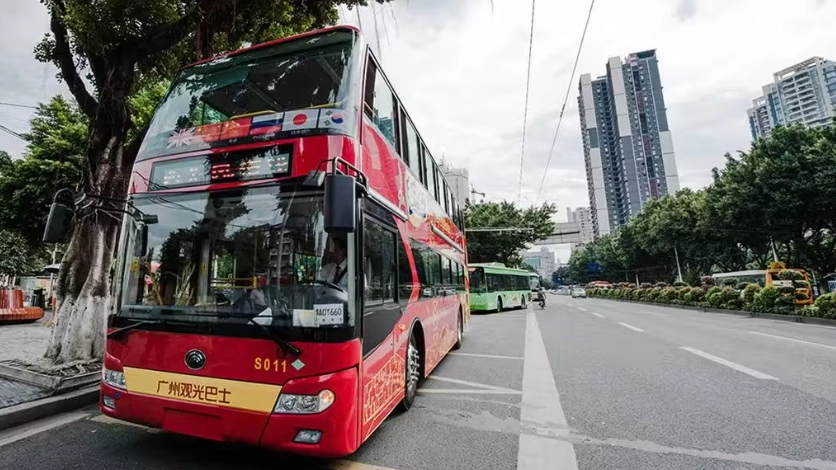
Airport Express bus alternative
If your hotel is near a bus route (lines 1-4), the express bus costs 20-30 yuan and drops you at major hotel districts. Slower (1-1.5 hours) but you sit and have luggage space. Luggage can be stored underneath the bus — but keep valuables with you.
Here's the catch: The last express bus from the airport leaves at 1 AM. If you land after that, your only options are a taxi or a pre-booked car (Didi costs around 150 yuan to the center). I recommend booking a hotel near the airport for late arrivals.
Taxi scams every tourist falls for
I hate to say it, but taxi scams are common. Here’s the most frequent one: the driver says the meter is broken and asks for a flat fee. They’ll point to a price chart — always inflated. Solution: walk away. Another scam: taking you to a 'special' shop for 'discount' tickets. Never go.
Better to use Didi (China’s Uber). Download the app (it has an English version). You pay automatically via WeChat or Alipay. No surge pricing like Uber? Actually, Didi does have dynamic pricing, but it’s usually only 1.1x-1.3x during rain or peak hours. Still cheaper than scam taxis.
One more trick: If a taxi refuses to take you because your destination is 'too close', stand your ground. They are legally required to accept any fare within the city. Call the local transport complaint hotline (96900) — but you’ll need a Chinese speaker.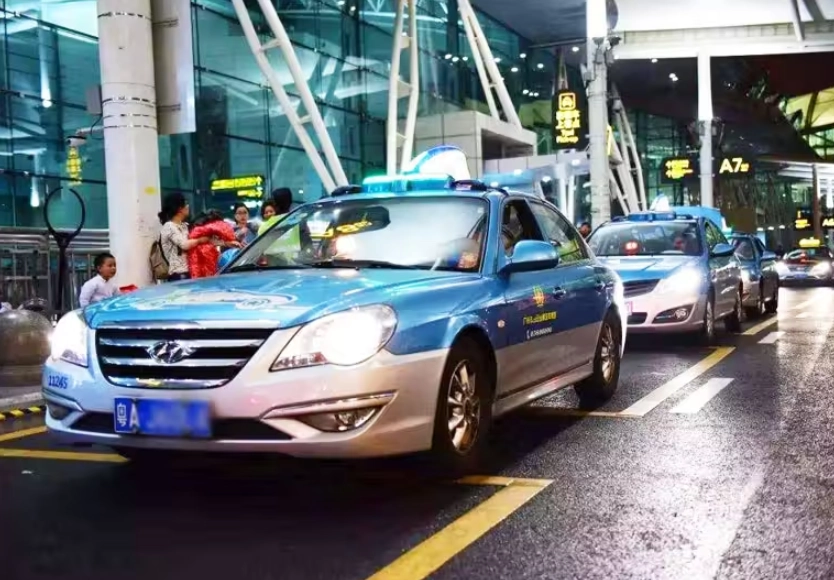
Bike-sharing: quick rides but watch the zones
Mobike and Hello Bike are everywhere. Scan with WeChat or Alipay (again, those apps). Cost: about 1-2 yuan per 30 minutes. But the designated parking zones (shown on the app map) are strict. If you park outside, you get fined 5 yuan. I’ve had clients fined for stopping at a random tree. Always look for the white rectangle painted on the ground.
Electric bikes? Unlicensed for tourists
Renting an electric scooter or bike requires a Chinese ID or registration. Most rental shops won’t serve foreigners. And riding without a helmet (rarely provided) can get you stopped by police. Avoid.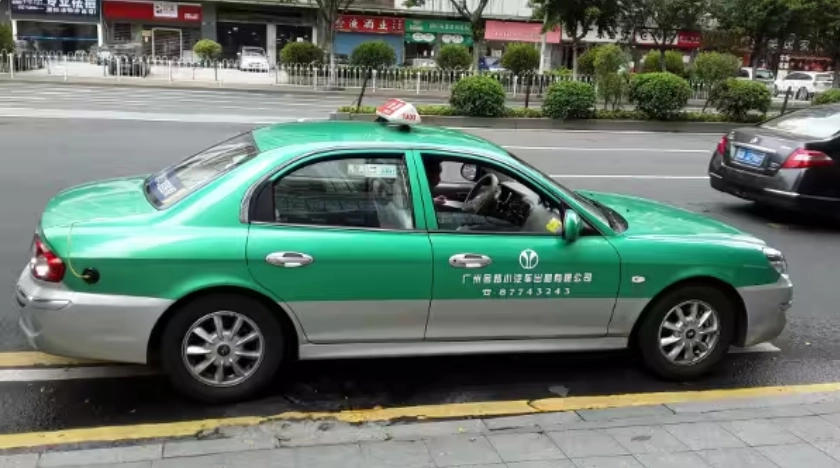
FAQ: real questions from my clients
Verified and fact-checked by the editorial team.








If you’re coming to Guangzhou for the food, do yourself a favor and get this guide. The transport tips saved me so much time that I managed to hit three more dim sum spots than I planned. The step-by-step on using WeChat Pay for the bus was perfect – even my tech-challenged self could follow it. And I loved the secret shortcut to avoid the touristy queue at the Chen Clan Academy station. Five stars, hands down.
Honestly, I had high hopes, but this guide fell a little short for me. The money-saving tips are okay, but the queues at several metro stations (especially at the popular shopping areas) were still ridiculous even after following the advice. And the digital payment section was useless for me since my foreign bank card kept getting rejected. I ended up having to buy paper tickets like everyone else. Not a total waste, but not worth the hype.
Good guide overall, and it definitely helped me save some money on transport. But I felt a bit let down because the “skip queue” part didn’t work as well during the weekend at Zhujiang New Town station. Maybe I didn’t pick the right timing? Also, I wish the guide had clearer instructions on how to top up the transportation card using foreign credit cards. Still, decent value for the price and useful for first-timers.
I’ve used similar guides for other cities, but this one is next-level. The author clearly knows which lines get packed and when. The hack for skipping the long ticket queue at Canton Tower station by walking to the next entrance was pure genius. Also, the budget tips helped me eat an extra bowl of wonton noodles with the money I saved. Highly recommend.
This guide is a game-changer! I’m a frequent traveler and always dread the chaos of metro stations in big cities. Following the tips, I sailed through the morning rush at Guangzhou East Station without any stress. The advice on buying a multi-day pass and using Alipay for rides actually saved me around 60 RMB in two days. Absolute must-read if you want to avoid wasting precious travel time.