 Tao Xu
Quick Dive
Three hours. That’s how long my clients stood in the sun at the South Gate of Canton Fair last month—only to realize they had no cash and no local payment app. Forget the glossy brochures. If you don’t know the exact WeChat mini-program trick, you aren’t getting past the turnstile. Navigating Guangzhou metro is not rocket science, but it’s full of small traps that eat your time and patience. Let me walk you through the exact steps I use to get my groups from airport to hotel in under 40 minutes—without a single panic moment.
Here is the cold truth: the system works brilliantly once you understand its quirks. And I’m about to show you how to skip every queue, handle the payment nightmare, and ride like a local in under two hours of arrival.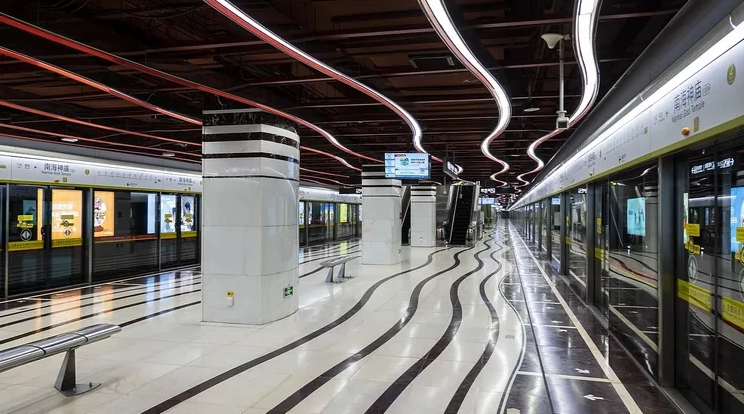
First Glance: The Pain Points
Walking into a Guangzhou metro station for the first time can feel overwhelming. Long queues at ticket machines, mostly Chinese interfaces, and the occasional machine that only accepts small bills. I always tell my groups: don’t even look at those machines. There are much faster ways.
My fix: Walk straight to the customer service window (usually next to the gate) and buy a single-journey token using your credit card or larger bill. They always have change.
Alternatively: Use the official “Guangzhou Metro” app – but that app requires a Chinese phone number for registration. Foreigners get stuck here. So I recommend a different route (see below).
Payments: Cash, Card, or App?
Guangzhou metro accepts three main payment methods: cash, transport cards, and mobile QR codes. But not all are foreigner-friendly. Here is my breakdown based on years of testing.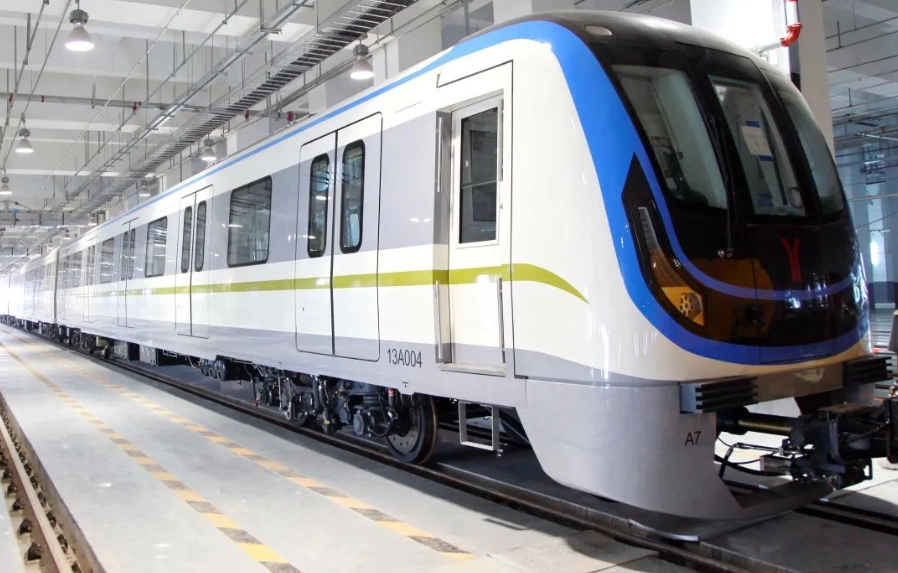
| Method | How It Works | Foreigner Feasibility | My Rating |
|---|---|---|---|
| Single-journey token (cash) | Buy from machine or counter, insert at gate, keep the green plastic coin. | Easy if you have small bills. Counter accepts credit cards. | ⭐⭐⭐⭐ |
| Yang Cheng Tong (transport card) | Refundable card sold at counters and convenience stores. Tap in/out. | Easy to buy, no registration required. Deposit 20 RMB + top-up. | ⭐⭐⭐⭐⭐ |
| Guangzhou Metro App QR code | Download app, register with Chinese phone, link Alipay/WeChat. | Hard for short-term visitors. Chinese phone number needed. | ⭐ |
| Alipay transport pass | Open Alipay (international version), search “Guangzhou Metro” pass. | Works for some foreign cards. Hit and miss. Requires stable data. | ⭐⭐⭐ |
My top pick: Yang Cheng Tong. No registration, no phone number. I always grab one at the airport metro counter (Baiyun Airport South station, just before the turnstiles). The deposit is 20 RMB, and you can top up at any machine with cash (max 100 RMB notes accepted). It works on buses, ferries, and even convenience stores at 7-Eleven. And when you leave, return it at any customer service window to get your deposit back.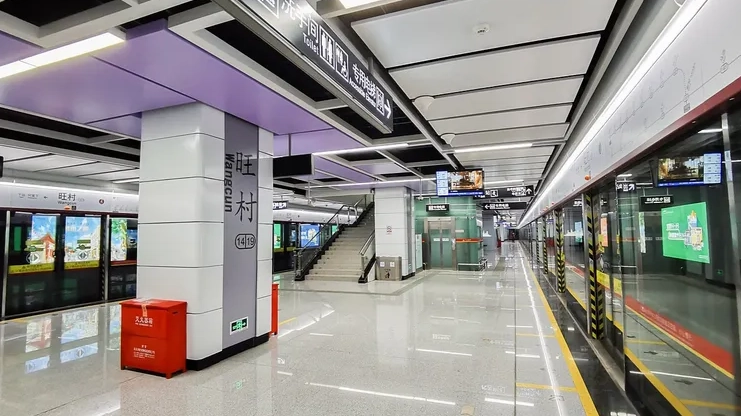
Ticket Options: Which One Fits Your Trip?
Not every traveler needs a Yang Cheng Tong. Here is how I decide based on your stay.
1-Day or 3-Day Passes
Guangzhou metro offers an unlimited 1-day pass (20 RMB) and a 3-day pass (50 RMB). They start counting from the first tap. If you plan to hit 4+ stations per day, these save money and time (no repeated purchasing). But they are not sold at all stations. I’ve seen tourists run all over the terminal looking for them. Where to find them: Only at major stations like Guangzhou East Railway Station, Airport South, and Tianhe Sports Center. Buy one at the customer service window.
Yang Cheng Tong (best for 4+ days or occasional rides)
I recommend this for anyone staying more than 2 days. You can keep the card for your next trip – it never expires. Just top up before you come back. And you can also use it for the very useful Guangfo Metro (the line connecting Guangzhou and Foshan). That’s a bonus most guides forget to mention.
Line Guide: Key Routes & Transfers
Guangzhou metro has 16 lines (+ APM). The most confusing part for first-timers is the interchange stations. Here are the three I personally dread – and how to survive them.
| Interchange | Lines Involved | The Trap | My Tip |
|---|---|---|---|
| Yangji | Line 1 ↔ Line 5 | Long underground walkway (~10 mins) with crowds. Exit A leads to a mall. | Don’t exit the paid area. Follow signs for Line 5 – it’s a straight tunnel. Late afternoon it’s packed, add 5 mins. |
| Tiyu Xilu | Line 1 ↔ Line 3 | Cross-platform transfer? No. You must go up one level and traverse a bridge. | If you’re going from Line 1 to Line 3 (northbound), use the middle carriage – exit directly at the escalator. |
| Kecun | Line 2 ↔ Line 8 | Rush hour congestion; doors open on both sides. | Stand on the left side of the platform if you want to stay on Line 8. The crowd pushes you out otherwise. |
Line 3 is the busiest (runs from Airport South to Panyu). Avoid it between 7:30–9:00 AM and 5:30–7:00 PM, especially near Tiyu Xilu. If you must ride during peak, go to the far ends of the platform (last car) – it’s slightly less packed.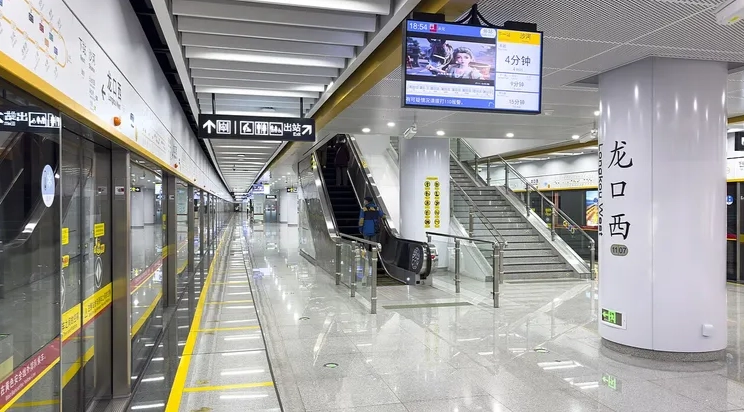
Top 5 Mistakes Foreigners Make (And How to Avoid Them)
- Using the wrong exit. Many stations have 10+ exits. I once watched a couple walk in circles at Canton Tower station because they took Exit A instead of Exit B (the one leading to the observation deck). Always check the digital map above the gate before tapping out.
- Forgetting that elevators are scarce. Lines 1 and 2 have limited elevators (especially older stations like Ximenkou). If you have heavy luggage, use Line 5 or Line 3 – they are newer and have elevators at every station.
- Assuming all machines accept foreign cards. They don’t. Only the customer service window can take Visa/Mastercard. Even then, that’s recent – some older staff might refuse. Best to have small cash.
- Not downloading offline maps. The metro Wi-Fi (MTR-WiFi) is spotty. I carry a screenshot of the metro map (download from official site before departure). Saves you when the tunnel loses signal.
- Trying to buy a single token for every ride. If you take 3+ rides, a day pass or Yang Cheng Tong is faster. The queue at the ticket machine for each ride will eat 20 minutes total.
Frequently Asked Questions
This content has been fact-checked to ensure informational precision. Information reflects current practices as of the latest system update; metro stations and payment policies may change. Always check the official Guangzhou Metro website for real-time updates.







I've been using Guangzhou Metro for years and still picked up a few new tricks, like the fastest way to transfer between Line 3 and Line 5 at Guangzhou East. The local payment hacks saved me from fumbling with change during rush hour. This is the kind of insider knowledge every traveler needs. No fluff, just real solutions.
Tried following the advice for the Zhujiang New Town station—got confused during peak hour because the QR code scanner was smudged and didn't read my phone twice. The article assumes every station has the same equipment, but some older stations still rely on cash-only machines. Not terrible, but not as flawless as promised.
Honestly a lifesaver. I was dreading the metro after reading horror stories about long queues at Guangzhou East Railway Station. This article showed me exactly which exit to use and how to top up my transport card without talking to a person. My trip was smooth and fast. Five stars for practicality.
The step-by-step payment guide is gold. I struggled with WeChat Pay before, but after reading this, I breezed through the gates at Canton Tower station. Even the old ticket machines felt easy. My only tiny gripe? A few more screenshots of the exact app menus would make it perfect. Still, absolutely worth the read.
As a first-time visitor, I was totally lost at Tianhe station until I spotted the English guide screens—super clear! The whole queue-skipping tip with the Alipay mini program saved me at least 20 minutes. Felt like a local by the end of the day. Highly recommend this article for anyone overwhelmed by Guangzhou Metro's size.