 Ming Yang
Quick Look
Three hours. That’s how long my clients waited in the sun at the South Gate of Hongya Cave last Saturday. Forget the glossy brochures—if you don’t know the exact WeChat mini-program trick, you aren’t getting in. And even if you do, paying for the ticket with a foreign card? Good luck.
That’s why I’m writing this. Not to sell you a dream, but to give you the real street-level navigation for Chongqing—the stuff no official guide will tell you. I’ve been guiding foreigners here for six years, and I’ve seen the same mistakes over and over. Here is exactly how to skip the queues, handle the payment nightmare, and see the real Chongqing in under two hours per spot.
The Real Pain Point
Most visitors land in Chongqing thinking it’s like Shanghai or Beijing. It’s not. The city is built on mountains, the streets are vertical, and the metro system—while efficient—is a labyrinth of exits. Plus, the digital ecosystem is almost entirely in Chinese. You can’t just download Didi and expect it to work with a foreign number. I always tell my clients: the first thing you do after landing is not to see the skyline—it’s to set up WeChat and Alipay at the airport, with help from the service counter. Do it there, because once you’re in the city, getting a Chinese SIM card with data is your lifeline.
Metro or Taxi?
Let me save you money: metro is faster for short distances, but taxi is better when you’re lost. The Chongqing metro (Line 1, 2, 3) covers most tourist spots. But here’s the catch—the exits are often numbered and you need to pick the right one. For example, to reach Hongya Cave, exit 1A from Xiaoshizi Station (Line 1) drops you at the top level. Exit 3 puts you at the bottom. If you want to avoid the stairs, take exit 1A. I’ve seen people exit at the wrong side and end up walking 20 minutes uphill.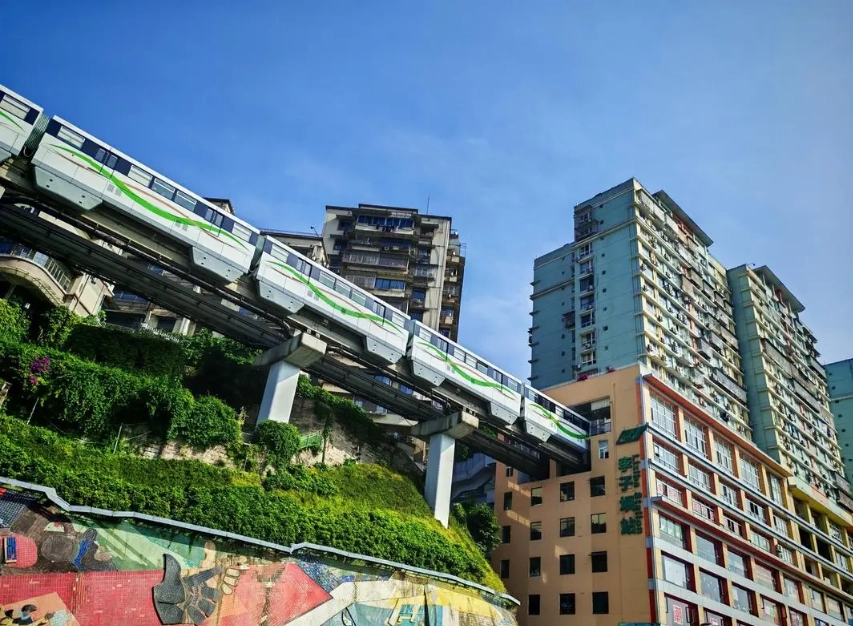
Taxi wise, always ask the driver to use the meter. Show them the address in Chinese on your phone. I always carry a screenshot of the hotel address in Chinese. Didi (the Chinese Uber) works if you have WeChat Pay or Alipay linked. But setting it up as a foreigner? Painful. You’ll need a Chinese phone number and a bank card. Alternative: ask your hotel to call a taxi for you. Most front desks speak basic English.
Booking Attractions: The WeChat Jungle
Yes, navigating the WeChat mini-program in pure Chinese to book Hongya Cave or the Yangtze River Cableway is a nightmare even for me. But don’t panic—just ask your hotel receptionist to do it for you. Many hotels have a dedicated staff who can help. But if you want to do it yourself, here’s the step-by-step:
- Open WeChat, tap “Discover” > “Mini Programs”
- Search for “洪崖洞预约” (Hongya Cave reservation) or “长江索道” (Yangtze River Cableway)
- Tap the first result—usually from the official account.
- Select date and time slot. You need a Chinese phone number for verification. If you don’t have one, the mini-program will reject you. Workaround: buy a ticket on-site at the ticket office, but expect lines of 30–60 minutes.

| Attraction | Price (Adult) | Booking needed? | Best time to go |
|---|---|---|---|
| Hongya Cave (exterior free) | Free (interior paid exhibitions ¥80) | Yes, for interior via WeChat | Evening 7pm–9pm for lights |
| Yangtze River Cableway | ¥20 one way, ¥30 round trip | Yes, via WeChat or on-site | Morning 8am–10am to avoid queue |
| Ciqikou Old Town | Free | No | Weekdays, avoid weekends |
| Three Gorges Museum | Free, need ID (passport) | No, but register at entrance | Afternoons 2pm |
Payment in Chongqing: Cash Still Works
Everyone says China is cashless. True, but as a foreigner, you’ll struggle without Alipay or WeChat Pay. However, cash is still accepted everywhere. But here’s the nuance: many small shops and street vendors won’t have change for ¥100 notes. Always carry ¥10, ¥20, and coins. Taxi drivers also prefer small bills. I always tell my clients to withdraw cash at the airport ATM (Bank of China accepts foreign cards) and get a mix of denominations. Don’t rely on credit cards—only big hotels and international restaurants accept them.
If you’re tech-savvy and want to set up mobile payment, you need a Chinese bank account or a foreign card linked to WeChat (limited support). Alternatively, use Alipay’s “Tour Pass” feature (available in the app) which tops up a virtual prepaid card with your foreign credit card. I’ve tested it—it works, but only in stores that scan QR codes. For metros, you need the specific metro app or a transport card (available at any station with cash).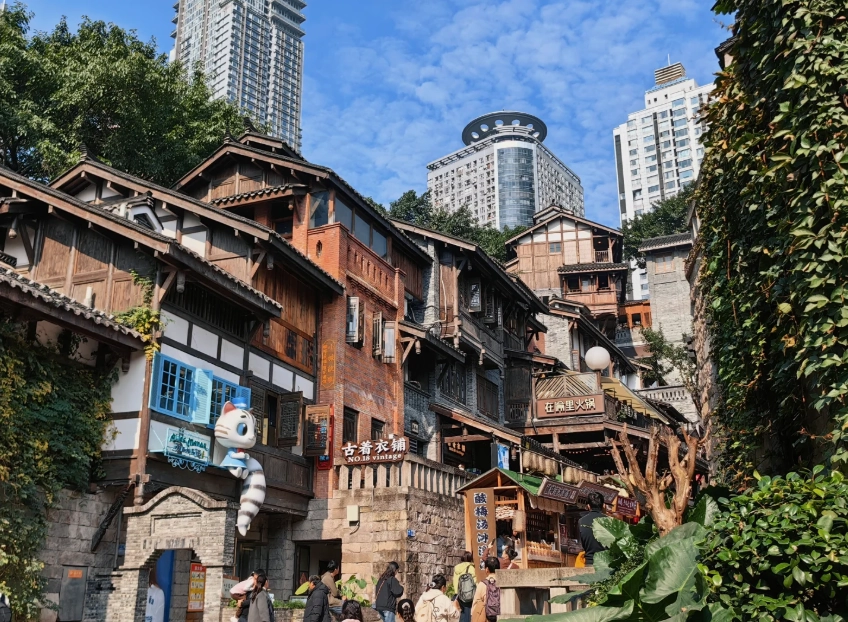
Where to Stay: Jiefangbei vs Nanbin Road
Jiefangbei (CBD) is convenient—walking distance to Hongya Cave, Jiefangbei Monument, and the river. But it’s noisy and expensive. Nanbin Road (south bank) offers stunning skyline views and is quieter. I personally prefer Nanbin Road for first-timers because you wake up to the Hongya Cave view. Hotel recommendation: InterContinental Raffles City (Jiefangbei) or Holiday Inn Express Nanbin Road (budget-friendly, about ¥400/night). Both have English-speaking staff and stable Wi-Fi.
For backpackers, hostel in Ciqikou is cheap but far from central. Check if your accommodation provides luggage storage—many do not. I’ve had clients drag suitcases up stairs because the hostel had no elevator. Ask before booking.
Must-Eat: Spicy but Worth It
Chongqing food is notorious for mala (numbing spice). If you can’t handle heat, ask for “wei la” (mild). My go-to dish is Chongqing hotpot, but not the touristy ones near Jiefangbei. I take my groups to Zhu Laosan Hotpot (address: 218 Minquan Road, Yuzhong District). It’s where locals eat. Signature: tripe and duck blood. I always order the “yuanyang” (split pot) with half mushroom broth for the weak-stomached. Average cost: ¥80-120 per person. Payment: cash or WeChat. No English menu, but they have a picture menu—point at what looks good. Expect a 30-minute wait at dinner; go at 5pm to avoid it.
Another must: street-side noodles at Qin Yunyue Noodles (Xiaoshizi area). Their spicy beef noodles (¥15) are legendary. I always tell my clients to bring toilet paper—the napkins they give are flimsy. And be prepared to eat standing at a low table. That’s the real Chongqing experience.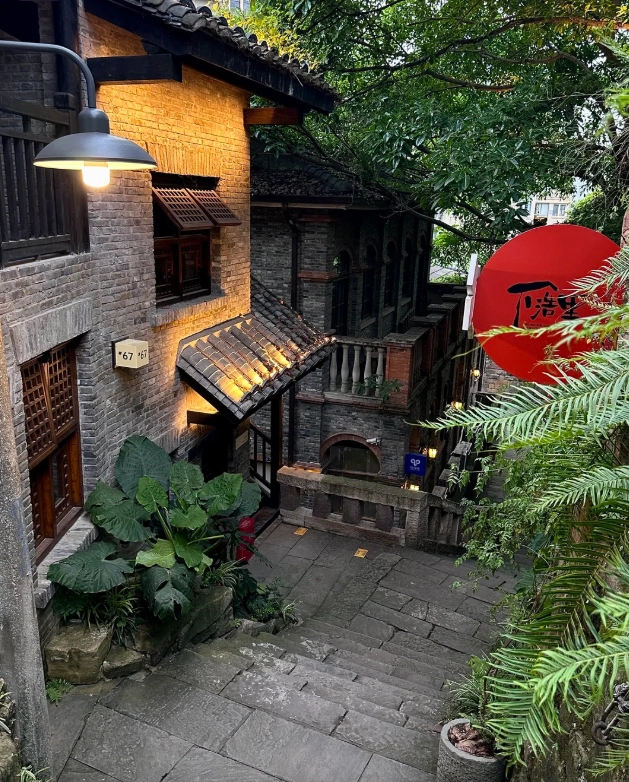







No comments yet.