 Ming Yang
Quick Navigation – What You Need First
- Navigation Apps – Don't Get Lost in the 8D City
- Payment Apps – Cash is King? Not Here
- Public Transport Apps – Skip the Taxi Scams
- Food & Booking Apps – Eat Like a Local
- Translation & Language Apps – Bridge the Gap
- Emergency & Utility Apps – Better Safe Than Sorry
- Ticket Booking Mini-Programs – The Real Pain Point
- FAQ – Your Burning Questions
Three hours. That’s how long my clients waited in line at the South Gate of Hongya Cave last week – because they didn’t have the right WeChat mini-program. Forget the glossy brochures. If you don’t know the exact app setup for Chongqing, you’re going to waste time, money, and patience. Let me save you the headache.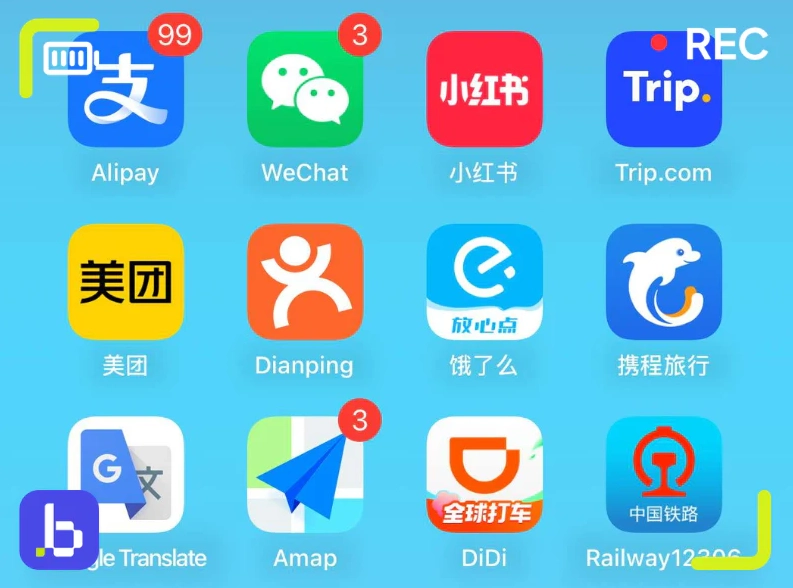
Navigation Apps – Don't Get Lost in the 8D City
Chongqing is nicknamed the “8D city” for a reason: streets stack on top of each other, and your phone’s GPS often shows you swimming in the river. I always tell my clients: install Amap (Gaode Maps) before you arrive. While Google Maps works for major landmarks, it fails on footpaths and indoor connections. Amap gives you the exact floor level – ground floor might be 10 stories below the street you’re standing on.
Here’s the catch: Amap is only in Chinese. But don’t panic – the interface is visual enough. Type the Chinese name of your destination (save them in a note), and follow the blue line. Turn on the “AR navigation” feature for subway exits; it uses your camera to show arrows overlaid on the real street. I use it every single day.
Alternative: Baidu Maps also works, but I find Amap more accurate for walking directions. Both allow downloading offline maps – do that at the airport. Search “Chongqing offline map” in the app while on WiFi.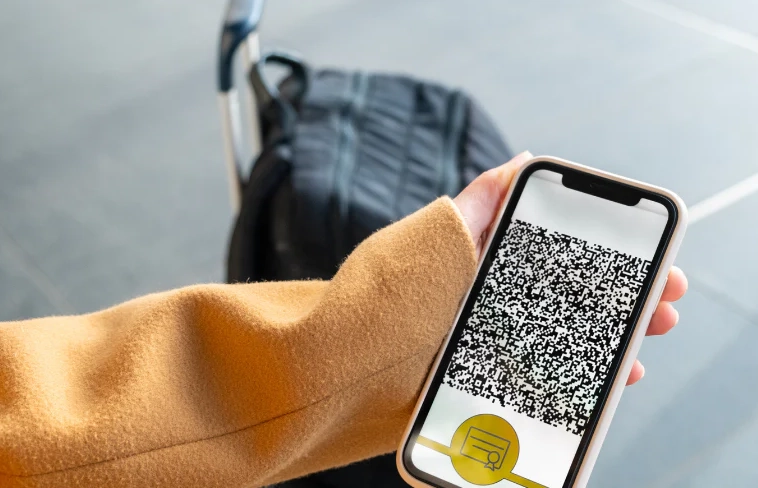
💡 Pro tip: When taking a taxi, share your live location from Amap directly to the driver’s WeChat. That way they know exactly where you are, even if you can’t pronounce the street name.
Payment Apps – Cash is King? Not Here
I had a client from Australia who tried to pay with a $100 bill at a street stall – the vendor couldn’t make change and eventually just waved him off. In Chongqing, digital payment rules. WeChat Pay and Alipay are everywhere, from the metro to mountain temples.
The good news: both accept foreign Visa/Mastercard now (through the “Tour Pass” feature or by linking your card). The bad news: setting it up takes 15 minutes. Do it before you leave home. Open WeChat -> Me -> Services -> Wallet -> Add Bank Card. For Alipay, go to “Payment Settings” and link your card. If you encounter errors, try using a friend’s Chinese account to “red packet” you some balance – I’ve done that for many tourists.
Don’t forget: Many street vendors only take WeChat Pay, not Alipay. Have both installed. And carry small bills (50 yuan or less) for emergencies – but honestly, you won’t need them.
Public Transport Apps – Skip the Taxi Scams
Taxis in Chongqing often refuse the meter and quote a flat fee – I’ve seen tourists pay triple the correct price. Avoid that by using the metro. The city’s rail system is modern, clean, and cheap (starting at ¥2). To ride it, you need the “Chongqing Rail Transit” mobile app (official name: 重庆轨道交通). Search “Chongqing Metro” on your app store – the icon is a green train.
Alternatively, use Alipay’s transport card. Open Alipay -> “Transport” -> select “Chongqing” -> activate the subway code. Scan the QR code at the gate. Easy. WeChat also has a similar “Chongqing Metro” mini-program. I personally use Alipay because it works with my foreign card.
For buses, download “Chongqing Bus” (重庆公交) app or use the same Alipay transport card. Note: buses don’t announce stops in English, so keep Amap open for real-time location.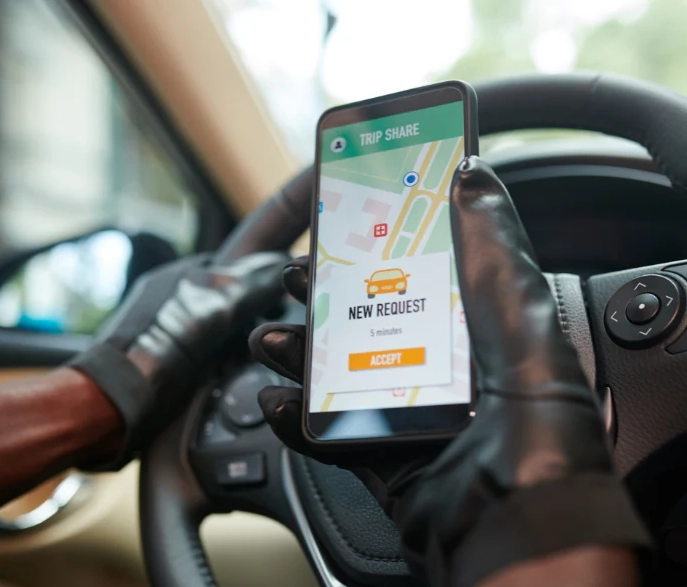
⚠️ Warning: The metro’s Line 2 passes through Li Ziba station – get off there for the famous monorail through a residential building. Go to the end of the platform facing the building for the best photo.
Food & Booking Apps – Eat Like a Local
Chongqing is all about hotpot and street food. Don’t fall into tourist traps near Jiefangbei. I use Dianping (大众点评) to find authentic spots. It’s like Yelp but with more reliable reviews from locals. Install it and search by area; filter by “ratings 4.5+”. Most top restaurants have English names in the app.
Key tip: Dianping allows you to queue remotely. Join the waitlist from your phone before you leave the hotel – saves you 1-2 hours. Look for the “取号” (take a number) button on the restaurant’s page.
For booking tables at high-end hotpot places (like Haidilao), use the Meituan (美团) app. It also handles food delivery. Both apps require a Chinese phone number to register – but you can use your hotel’s number with permission, or ask the reception to book for you.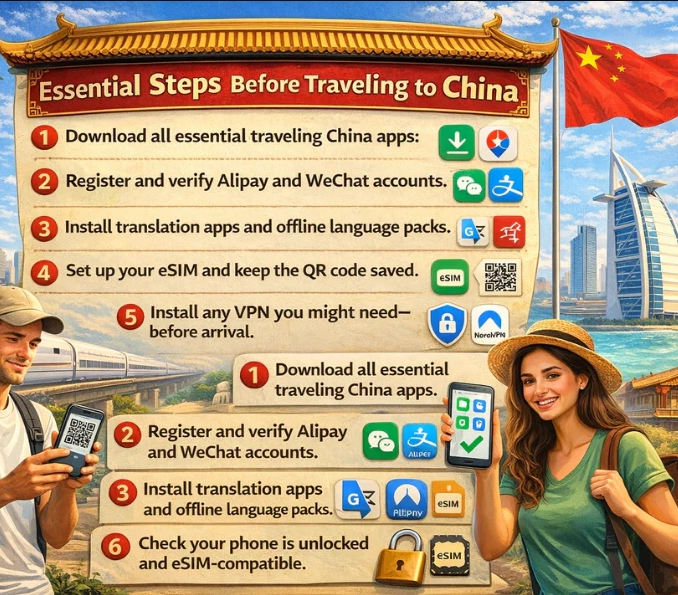
| App | Best for | Language | Registration |
|---|---|---|---|
| Dianping | Restaurant reviews, remote queuing | Chinese (images help) | Phone number required |
| Meituan | Food delivery, event tickets | Chinese | Phone number required |
| Mini-programs for queueing & payment | Chinese/English | Email or phone |
Translation & Language Apps – Bridge the Gap
English is almost non-existent outside tourist zones. I’ve seen travelers pointing at menus frantically. Google Translate works offline if you download the Chinese language pack. Use the camera feature to scan text on menus and signs – it’s a lifesaver. But for conversations, Microsoft Translator has better voice recognition for Chinese dialects (Chongqing locals speak a thick southwestern accent).
Another app I swear by is Pleco – a Chinese dictionary with handwriting input. If you see a character you don’t know, draw it with your finger and get instant meaning. Store common phrases like “no spicy” (不要辣, bú yào là) and “where is the toilet” (厕所在哪里, cè suǒ zài nǎ lǐ).
Emergency & Utility Apps – Better Safe Than Sorry
Let’s cover the boring but necessary stuff.
- 12306 (Railway): For booking high-speed trains to nearby cities (Chengdu, Xi’an). Create an account with your passport number. Use the English version of the site at www.12306.cn or the app (set to English in settings).
- DiDi (滴滴出行): The Uber of China. Download and register. You can pay with Alipay or international credit card. Enter your destination in Chinese (copy from Amap). Avoid taxis at night – DiDi is safer and metered.
- Ctrip (Trip.com): For hotel and flight bookings. International version has full English support. I often find better deals on Ctrip than Booking.com for Chongqing hotels.
- AirVisual (IQAir): Chongqing air quality can be poor. This app gives real-time PM2.5 levels. On bad days, wear an N95 mask – street vendors sell them for ¥2.
Ticket Booking Mini-Programs – The Real Pain Point
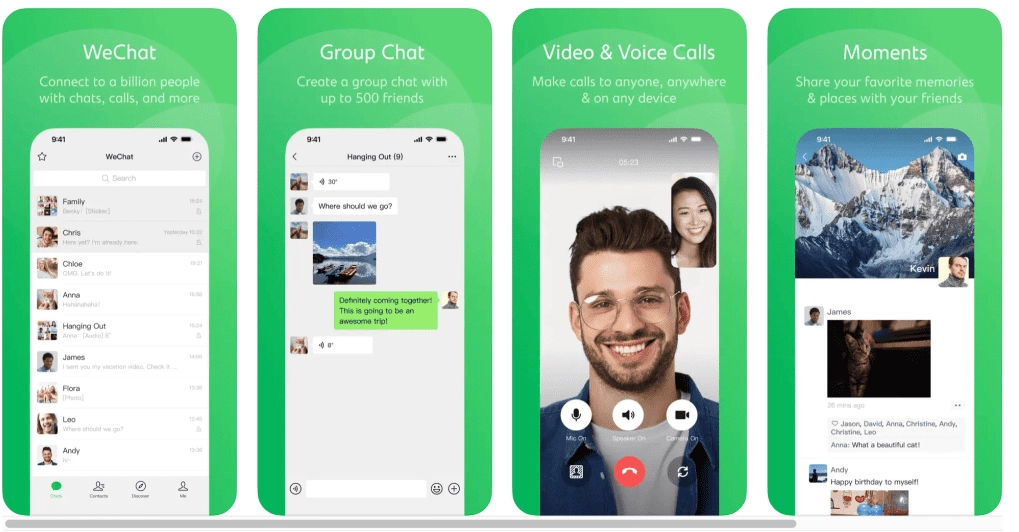
Back to that queue I mentioned. Many Chongqing attractions require free advance tickets via WeChat mini-programs, and if you don’t have them, you’re turned away. Here are the ones you must set up before your trip:
| Attraction | Mini-program Name (Search in WeChat) | When to Book | Cost |
|---|---|---|---|
| Hongya Cave | “洪崖洞预约” (Hongya Cave Reservation) | 1-3 days ahead | Free (but must have slot) |
| Yangtze River Cableway | “长江索道” (Changjiang Suodao) | Same day, early morning | ¥20 (single) |
| Three Gorges Museum | “三峡博物馆” (Three Gorges Museum) | Up to 7 days ahead | Free |
| Dazu Rock Carvings | “大足石刻” (Dazu Rock Carvings) | At least 2 days ahead | ¥115 |
Here’s the step-by-step for Hongya Cave: Open WeChat -> Discover -> Mini Programs -> search “洪崖洞预约” (paste from this table) -> select date and time slot -> enter your passport number (yes, it accepts foreign passports). You’ll get a QR code. Show it at the gate. Without it, you’re walking back down the stairs – I’ve seen it happen.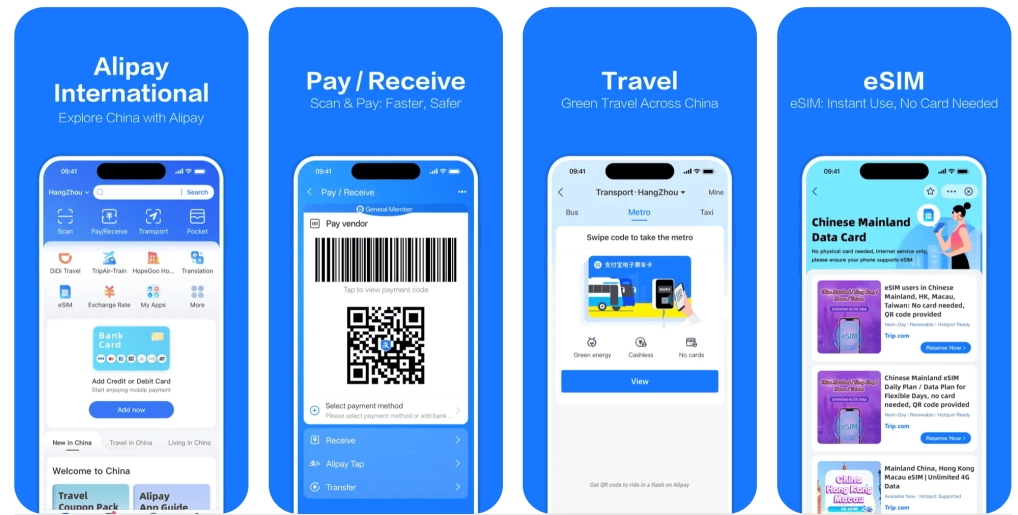
🔥 My personal frustration: The mini-programs only accept Chinese ID numbers for some attractions. If that happens, use your hotel’s front desk – they can scan your passport and generate a QR for you. Don’t waste time arguing with the ticket booth.








No comments yet.