 Hong Ma
You've stood in awe before the silent ranks of the Terracotta Warriors. You've walked the ancient city walls. Now you're wondering, what else to see in Xi An? The good news is, you've barely scratched the surface. The city's soul isn't just in its headline acts; it's woven into the fabric of lesser-known historical sites, vibrant local neighborhoods, and pockets of serene beauty that most tour groups rush past. I've spent weeks exploring these corners, and what I found transformed my understanding of the city from a historical stop into a living, breathing destination.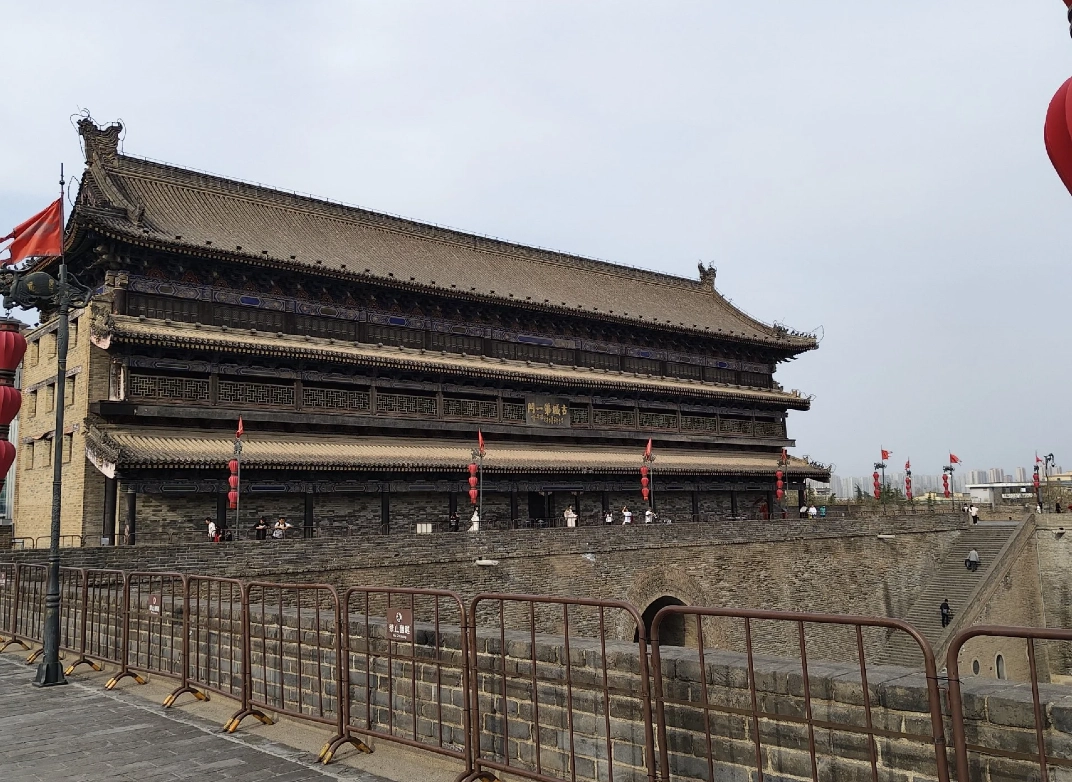
Your Quick Guide to Hidden Xi An
The Historical Deep Dive: Sites Beyond the Warriors
Everyone knows the Qin Dynasty (Terracotta Army) and the Ming Dynasty (City Wall). But the Tang Dynasty, when Xi An (then Chang'an) was the world's largest and most cosmopolitan city, often gets short shrift. To understand Xi An's golden age, you need to look here.
Daming Palace National Heritage Park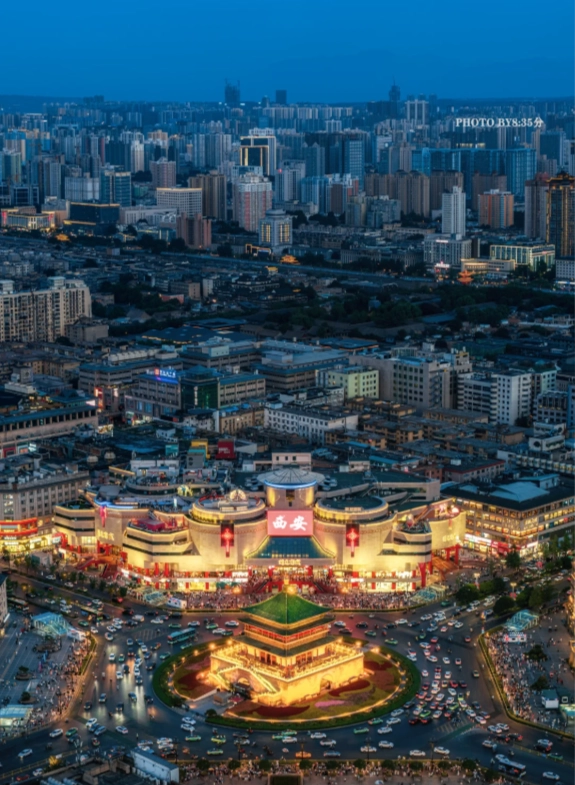
Forget the Forbidden City in Beijing for a moment. The Daming Palace was its predecessor and, in its 7th-10th century prime, was far larger and more magnificent. Today, it's an enormous archaeological park. What you see are the vast, evocative foundations of halls, gates, and gardens. It's not a reconstructed palace; it's the ghost of one. I found the scale overwhelming in the best way. You rent a bicycle or take the sightseeing train to cover the grounds. The on-site Danfeng Gate Museum is superb, explaining the palace's history and the painstaking archaeology.
Need to Know: Daming Palace
Address: 585 Ziqiang East Road, Xincheng District. The main entrance is at Danfeng Gate.
Ticket: Around 60 RMB. Includes access to the park grounds and the Danfeng Gate Museum.
Hours: 8:30 AM - 6:00 PM (last entry 5:00 PM).
Getting There: Take Metro Line 4 to "Hanyuan Hall" station (含元殿). Exit A or B puts you right at the south entrance. This is the easiest way.
My Tip: Go in the late afternoon. The low sun casts long shadows across the foundations, and the light is perfect for photography. The crowds are also thinner.
Xi'an Museum & Little Wild Goose Pagoda
While everyone queues for the Shaanxi History Museum (rightfully so, it's fantastic), the Xi'an Museum offers a more intimate and manageable experience. It's located within the serene Jianfu Temple grounds, shaded by ancient trees. The museum's collection focuses on the city's urban development. The real star is the setting. After browsing the artifacts, you walk out into the garden with the 1300-year-old Little Wild Goose Pagoda. You can't climb this one like the Big Wild Goose Pagoda, but its elegant, slightly tilted silhouette against the sky is more photogenic, in my opinion. The atmosphere here is contemplative, not chaotic.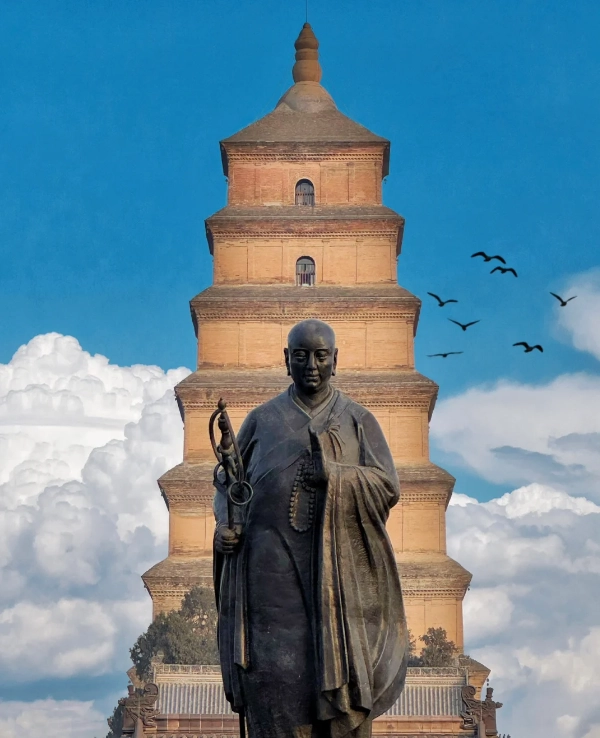
Cultural & Neighborhood Gems
Xi An's history isn't confined to museums. It pulses in its old neighborhoods and creative spaces.
Gaojia Dayuan (Gao Family Compound) & Beiyuanmen Street
Just north of the Drum Tower, the Muslim Quarter gets all the attention. One street over, running parallel, is Beiyuanmen Street. It's less frantic. About halfway down, look for the entrance to Gaojia Dayuan. This is a restored Ming-Qing dynasty courtyard home turned into a living museum of folk art. You can watch shadow puppet shows, see ancient-style paper cutting, and listen to traditional Qin opera in a small, atmospheric theater. It feels like stepping into a time capsule. Afterward, explore Beiyuanmen. You'll find quieter tea shops, calligraphy stores, and snack stalls with shorter lines than the main artery.
Xi'an's Art & Music Scene: Chuangke Street & The Park Qin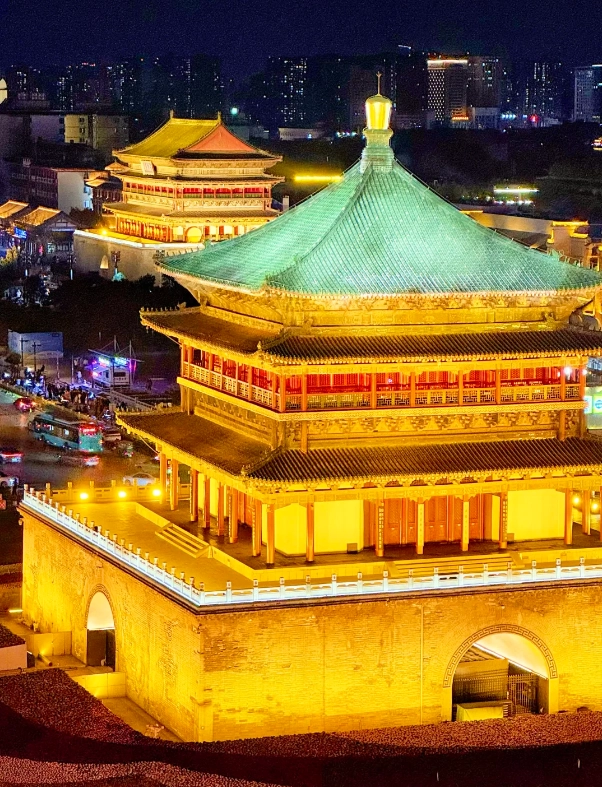
This was my biggest surprise. Near the South Gate, within the old city walls, is a district called Chuangke Street (Maker Street). It's a network of alleys filled with independent design studios, boutique cafes, vintage shops, and small art galleries housed in renovated old buildings. It's the city's creative heart. For live music, The Park Qin is an institution. It's not a flashy bar; it's a dedicated space for the guqin (the ancient Chinese zither). They hold intimate concerts and workshops. Finding these places showed me Xi An isn't just looking backward; it's a city with a contemporary creative pulse.
| Neighborhood / Spot | Vibe & What to Do | Best For | Getting There |
|---|---|---|---|
| Gaojia Dayuan & Beiyuanmen | Quiet historical lane, traditional courtyard, folk performances. | Escaping crowds, cultural immersion. | Walk north from Drum Tower, first left after Muslim Quarter entrance. |
| Chuangke Street (Maker Street) | Hipster alleyways, design shops, cool cafes, local art. | Seeing modern Xi An, unique souvenirs. | Near South Gate (Yongningmen). Metro Line 2 to Yongningmen Station, Exit D1. |
| Xi'an Concert Hall & Qujiang Area | Modern architectural complex, fountain shows, upscale dining. | Evening stroll, architectural photography. | Metro Line 4 to Datang Furong Garden Station. |
A Quick Nature and Spiritual Escape
Need a break from the urban energy? Two places deliver.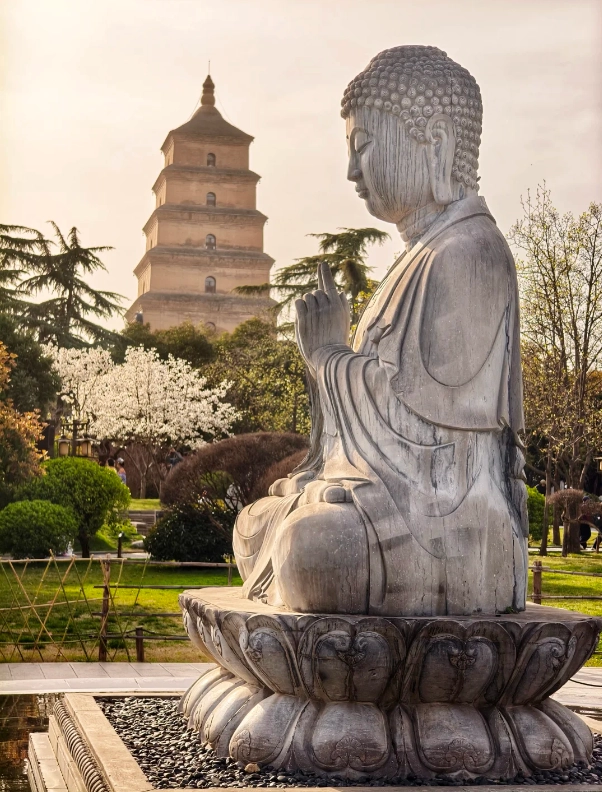
Qinglong Temple (Green Dragon Temple)
This temple is historically significant as the place where Japanese Buddhist monks studied in the Tang Dynasty, making it a key site in cultural exchange. But for visitors today, its secret weapon is the cherry blossom grove. In early April, it's a breathtaking sea of pink and white, but it remains a peaceful garden retreat year-round. It's on a plateau overlooking the city, offering great views. It feels miles away from the bustle, yet it's easily accessible by metro.
Tang Paradise (Datang Furong Garden)
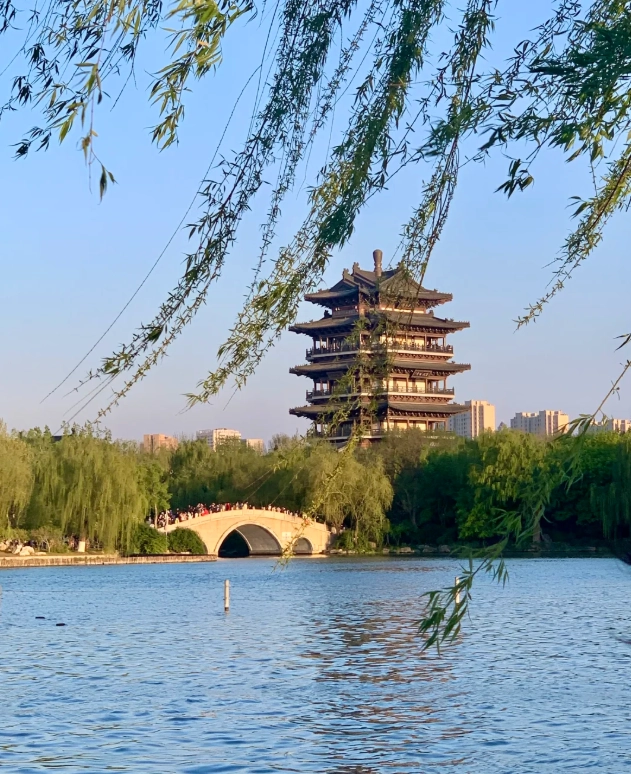
I'm hesitant to include this as it's a large-scale modern reconstruction, not an ancient site. But if you want a visually stunning, immersive experience of what Tang Dynasty garden aesthetics *might* have looked like, it works. The lake, pavilions, and nightly light/water show are spectacular. Go with the right expectation—it's a theme park based on history, not a historical site itself. It's best visited in the late afternoon to enjoy the gardens and stay for the evening show.
The Practical Guide: Getting Around & Timing
Xi An's metro system is your best friend. It's clean, cheap, and signs are in English. For the sites mentioned:
- Daming Palace: Metro Line 4 to Hanyuan Hall.
- Xi'an Museum / Little Wild Goose Pagoda: Metro Line 2 to Nanshaomen, then a short walk.
- Qinglong Temple: Metro Line 5 to Qinglongsi.
- Chuangke Street: Metro Line 2 to Yongningmen.
Use Didi (China's Uber) for direct trips. Avoid taxis during rush hour near the city center.
Timing is everything. For historical parks like Daming Palace, aim for weekdays. For neighborhoods, weekends are livelier but more crowded. The sweet spot for most places is Tuesday to Thursday. Always start your day early; even lesser-known sites see a bump after 10 AM.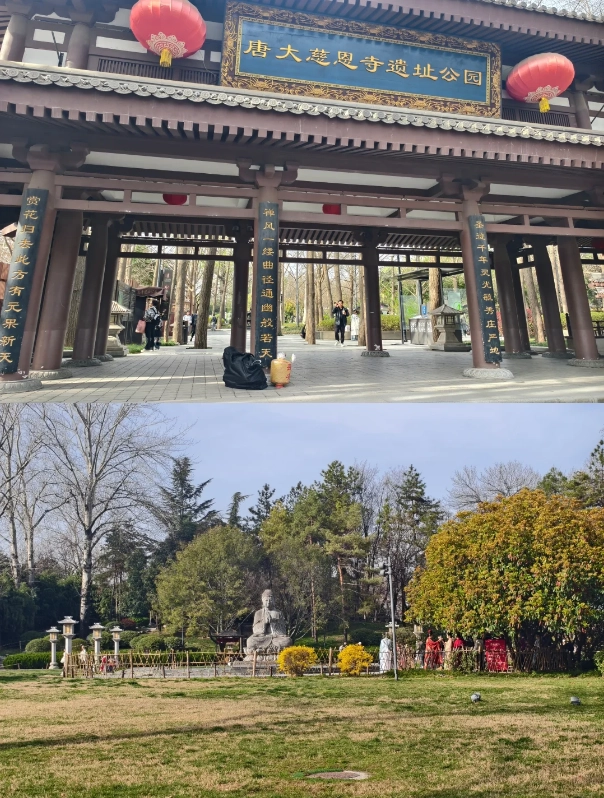
Your Questions Answered
I have one extra day after the Terracotta Warriors and city wall. What's the single best "what else" site to see?
For a profound historical experience, choose the Daming Palace National Heritage Park. It gives you a completely different perspective on Chinese imperial history (Tang vs. Qin/Ming) and its sheer scale is unforgettable. For a more relaxed, cultural vibe mixed with local life, spend your day around the Xi'an Museum/Little Wild Goose Pagoda complex and then explore the nearby Gaojia Dayuan and Beiyuanmen Street in the late afternoon.
Are these lesser-known places suitable for families with young kids?
It depends. Daming Palace is huge and involves a lot of walking, but kids might enjoy the open space and the sightseeing train. The Xi'an Museum grounds (Little Wild Goose Pagoda park) are stroller-friendly and have more shaded areas to run around. Gaojia Dayuan has engaging shadow puppet shows that can captivate children. Chuangke Street is better for older kids or teens who might appreciate the quirky shops. Always check if a site rents bicycles or has transport options inside.
 What's a common mistake tourists make when trying to see these off-the-beaten-path spots?
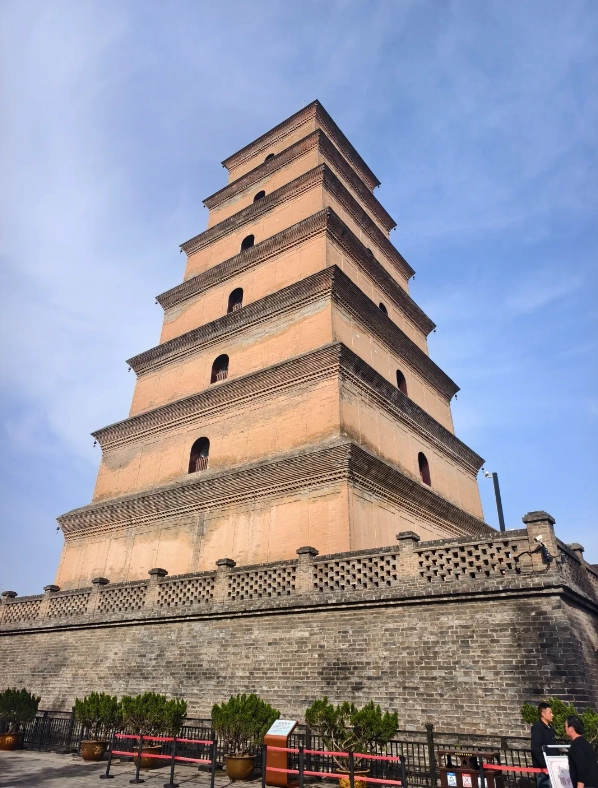
They underestimate travel time between them. Xi An is a sprawling city. Plotting Daming Palace (northeast), Qinglong Temple (southeast), and the Muslim Quarter (center) all in one day looks possible on a map but will leave you exhausted and rushed. Group sites by geographic area. Pair Daming Palace with the nearby Zhonghuamen (South Gate) area. Combine the Xi'an Museum with a trip to the Big Wild Goose Pagoda or Shaanxi History Museum, as they're in the same general southern zone.
Is it easy to find food and drinks near these locations?
Around the Xi'an Museum and Little Wild Goose Pagoda, you'll find standard tourist restaurants and some local noodle shops. Near Daming Palace, options are more limited to simple local eateries—consider eating in the city center before or after. The beauty of Chuangke Street and Beiyuanmen is that they are embedded in neighborhoods with authentic, non-touristy food. In Chuangke Street, I stumbled upon a tiny family-run Biang Biang noodle shop down an alley that was incredible. Don't be afraid to wander a block or two off the main path.
The real Xi An reveals itself when you move beyond the checklist. It's in the quiet grandeur of a palace foundation, the rhythm of a craftsman's hands in an old courtyard, and the modern beat in a repurposed alley. This is what else to see in Xi An. It’s the layer of the city that makes the history feel present, not just preserved.





I came for photography tips and left with a full notebook! The article highlighted the best angles at the Giant Wild Goose Pagoda and the subtle light changes near the Small Wild Goose Pagoda. I even discovered a hidden alleyway with traditional paper-cutting artists thanks to a sentence buried in the 'Off the Beaten Path' section. Seriously, if you’re into culture and photography, this is your go-to guide.
Exactly what I needed. As a solo budget traveler, I loved that the article broke down entrance fees, best times to visit, and even a rough timeline. The author clearly knows the city – the tip about renting a bike on the Wall at sunset was spot on. I followed every suggestion and had an amazing two days in Xi'an. Perfect blend of history and modern life.
This article completely changed my Xi'an itinerary! I initially only planned for the Terracotta Warriors and the City Wall, but after reading about the food tour in Muslim Quarter and the night view from the Drum Tower, I added two extra days. The descriptions were vivid – I could almost smell the cumin lamb skewers. Absolutely indispensable for any foodie traveler.
Decent overview for a first-time visitor like me. I appreciated the section on the Shaanxi History Museum and the Tang Dynasty Show – both were on my radar but the article gave practical tips on timing and tickets. The language is a bit generic in places, but it saved me a few hours of research. Would recommend if you're short on time.
Honestly, I was expecting more hidden gems. The article mentions a few spots like the Muslim Quarter and the City Wall, which are well-known, but I felt it skimped on lesser-known places. The writing was clear though, just not as deep as I'd hoped for a piece titled 'Beyond' the Terracotta Army. Good for a quick skim, but not for serious trip planning.
Checked out the Drum and Bell Towers — interesting history but honestly, the ticket price felt a bit steep for what you get (just a few exhibits and the view from the top). The drum performance was fun, but lasted only 10 minutes. If you're short on time, skip it and just take photos from outside.
The Giant Wild Goose Pagoda area at night is pure magic! The light show on the music fountain was breathtaking, and the whole square was buzzing with locals dancing and families. Took a zillion photos. One of those moments that makes you fall in love with a city. Highly recommend!
Visited the Shaanxi History Museum — world-class artifacts, no doubt. But I was disappointed by the overcrowding (even on a weekday) and the lack of English descriptions on some exhibits. The audio guide helped a bit, but felt rushed. For a free museum, it's good, but I expected a calmer experience.
Loved wandering through the Muslim Quarter and trying all the street food — the yangrou paomo (lamb soup with bread) was incredible. The vibe is chaotic but fun. Lost half a star because a few vendors were a bit pushy, and the queues for the popular stalls were really long. Still worth it!
Rented a bike and rode the entire Xi'an City Wall at sunset — absolutely magical! The views over the old town and modern skyline were stunning, and the breeze made it perfect. Definitely the highlight of my trip after the Terracotta Warriors. Bring water and take your time!
Overall a bit disappointed with the 'other sights' around Xi'an. The Drum and Bell Towers felt like big photo ops surrounded by souvenir shops, and the Great Mosque was nice but the entry fee felt steep for what you actually see. Maybe we just had bad luck, but the city felt more commercial and less authentic than I expected. Still worth a day, but don't hype it too much.
We went to see the Song of Everlasting Sorrow performance at Huaqing Pool and the show itself was spectacular — giant sets, amazing lighting, and the story is so romantic. But the venue is huge and we sat pretty far back, so the subtitles were hard to read. Also, getting a taxi back to the city after the show was a nightmare. Plan ahead.
Shaanxi History Museum is a must even if you've already seen the Terracotta Warriors. The Tang dynasty relics are stunning, and the audio guide explains so much context. Only downside: it gets packed fast. Go right when it opens or book the special exhibition ticket for a calmer experience.
The Muslim Quarter is a sensory overload in the best way. We spent hours wandering through the alleys, grabbing sizzling lamb skewers, cold pomegranate juice, and a fresh steaming bowl of yangrou paomo. Every bite was ridiculously good. Don't just stick to the main street — the side lanes have the hidden gems.
Renting a bike and cycling the entire Xi'an City Wall at sunset was the highlight of my trip. The breeze, the view of the old town with modern buildings poking through, and the sense of history under my wheels — absolutely magical. Much better than the crowded pits.