 Peng Gao
Ask anyone what Xi'an is best known for, and the Terracotta Army will likely be the first thing they mention. It's a fair answer—the scale is mind-boggling. But after spending weeks walking its ancient streets and talking to locals, I found that reducing Xi'an to just one archaeological site misses the point entirely. The city's fame is a layered cake of history, culture, and living tradition. It's the feeling of cycling on a 600-year-old city wall at sunset, the chaotic symphony of the Muslim Quarter at dinner time, and the sheer delight of a perfectly crafted bowl of biangbiang noodles. This is what Xi'an is truly known for: being a living museum where China's past isn't behind glass but under your feet and on your plate.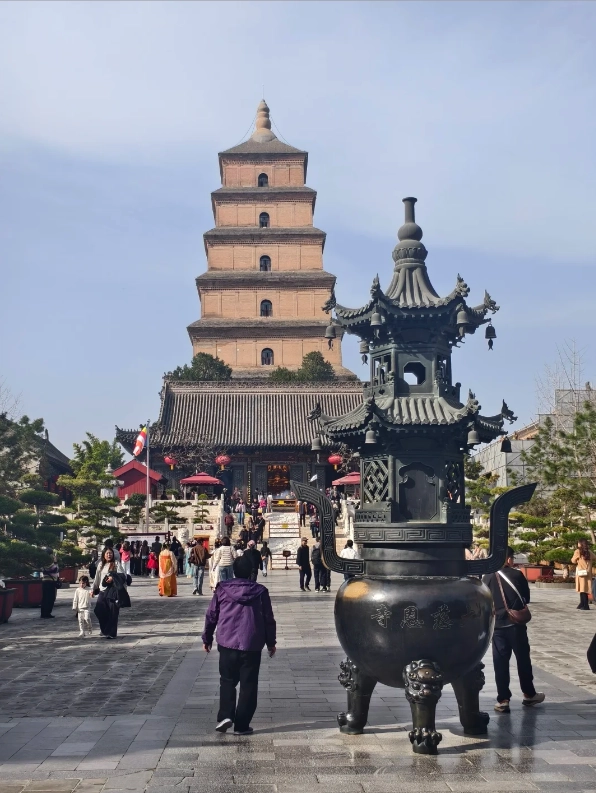
What's Inside This Guide
The Terracotta Army: A Practical Deep Dive
Let's get the big one out of the way. The Terracotta Army (Bingmayong) is, without doubt, the heavyweight champion of Xi'an's attractions. Commissioned by China's first emperor, Qin Shi Huang, the site is a testament to ancient power and artistry. But here's the thing most generic guides don't tell you: your experience is 90% determined by when you go and how you approach it.
I made the mistake of visiting on a Saturday morning once. The crowds were so thick I could barely see the pits. The second time, I went on a Tuesday right at opening time (8:30 AM), and it was a different world. I could actually hear the guides explaining details and see the individual facial expressions on the warriors—no two are alike, a fact you can only appreciate with a bit of space.
Pro Tip: Head straight to Pit 1 first. It's the largest and most impressive, housing the main infantry formation. Most tour groups follow the numbered order (Pit 1, 2, then 3), so if you reverse it or hit Pit 1 immediately, you might steal a few minutes of relative quiet before the masses arrive.
Essential Visit Information
| Detail | Information |
|---|---|
| Location | Lintong District, about 40 km east of central Xi'an. |
| Best Way to Get There | Take Metro Line 9 to "Huaqingchi" station, then a short taxi/bus ride (Line 9 extension opened recently, making this easier than ever). Tourist bus #5 (306) from the Xi'an Railway Station square is the classic, cheaper option. |
| Ticket Price | Approximately 120 CNY (around $17) for the peak season (Mar-Nov). 150 CNY if you buy a combo ticket with the nearby Huaqing Palace. |
| Opening Hours | 8:30 AM - 5:00 PM (last entry at 4:30 PM). Hours can extend slightly in summer. |
| Time Needed | A solid 3-4 hours minimum. This includes travel between the large pits, the museum exhibits, and the inevitable time spent just staring in awe. |
Is it worth the hype? Absolutely. But think of it as the grand centerpiece of your trip, not the entire trip itself.
The Ancient City Walls: More Than a Photo Op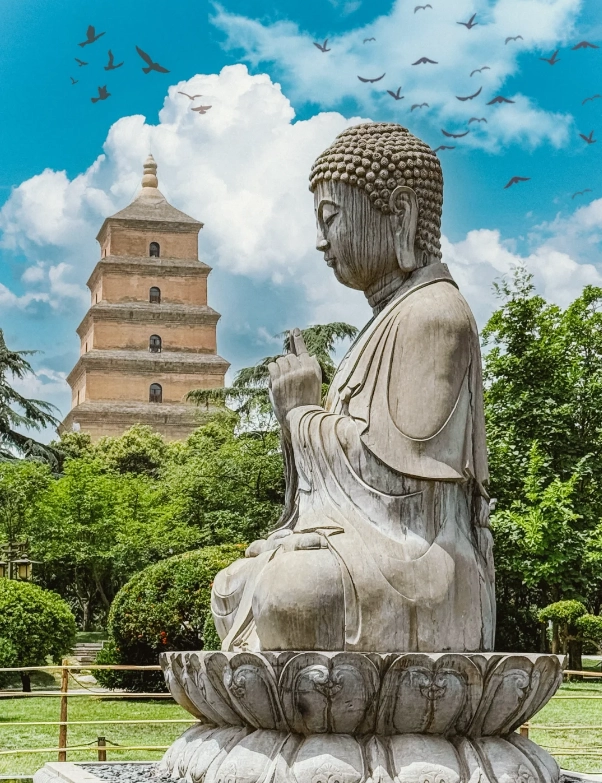
The Ming Dynasty City Wall is one of the largest and best-preserved ancient fortifications in the world. You'll see pictures of it everywhere. What the pictures don't convey is the sheer physical presence of it. Walking on top of it—it's about 12 meters wide—you get a unique perspective of the city: modern buildings on one side, traditional rooftops on the other.
The most common advice is to rent a bike and cycle the full 13.7 km perimeter. It's good advice. The rental kiosks are at several gates (I used the one at the South Gate, Nanmen). But here's my nuanced take: unless you're an avid cyclist, don't feel pressured to do the whole loop. The southwestern section between the South Gate and the West Gate offers the most varied views in my opinion, passing by temples and quieter neighborhoods. A 2-3 km stroll here can be more enjoyable than a grueling full circuit in the midday sun.
Bike Rental Info: Available at multiple gates. Cost is around 45 CNY for 3 hours. They require a cash deposit or holding your ID. Electric buggies are also available for a more leisurely tour.
The Muslim Quarter: Culture and Food Fusion
If the Terracotta Army represents Xi'an's ancient past, the Muslim Quarter (Beiyuanmen) is its pulsating, aromatic present. Centered around the historic Great Mosque (a serene, beautiful blend of Chinese and Islamic architecture), the quarter's narrow alleyways are a sensory overload in the best way possible.
This is where Xi'an's role as the eastern terminus of the Silk Road becomes tangible. The Hui community has lived here for centuries, and their food is legendary. The main street, Beiyuanmen, is packed with stalls and shops. It's chaotic, loud, and utterly captivating. Go hungry.
A common mistake is to just walk down the main drag, buy a kebab, and leave. The real gems are often down the smaller side alleys or at the more established, sit-down restaurants tucked away from the tourist throng. The atmosphere after dark is particularly special, with red lanterns glowing and the sizzle of grills filling the air.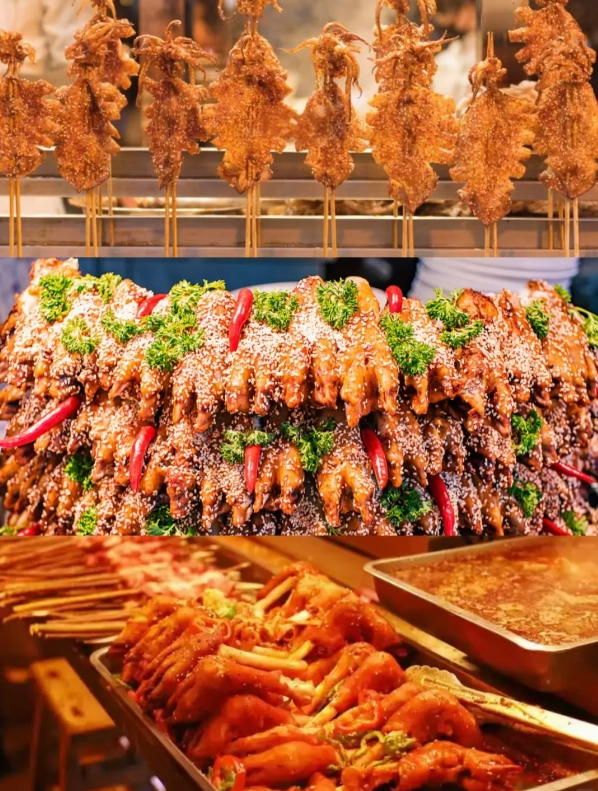
Xi'an Food: The Edible Icons
You cannot talk about what Xi'an is known for without dedicating serious time to its food. This is not just sustenance; it's a core part of the city's identity. Based on my own, highly delicious research, here are the non-negotiables:
Biangbiang Noodles: Named for the sound the dough makes when slapped against the counter. These are wide, belt-like noodles, often served dry with chili oil, minced pork, and vegetables. They're chewy, spicy, and incredibly satisfying. Where I tried them: **Su Ji Noodle Shop** near the Bell Tower. No frills, just massive bowls of greatness for about 20 CNY.
Roujiamo (Chinese Hamburger): Stewed, shredded meat (usually pork, sometimes beef or lamb) stuffed into a flatbread that's baked in a clay oven until crispy. The bread is key—it should have a slight smokiness and crunch. The best ones are juicy enough that you need a napkin. Personal favorite spot: A small, unnamed stall just off the main drag in the Muslim Quarter, identifiable by the constant line of locals.
Yangrou Paomo (Pita Bread Soaked in Lamb Soup): This is a ritual. You're given a flatbread and must tear it into tiny, peanut-sized pieces yourself. The pieces are then taken back to the kitchen, simmered in a rich, clear lamb broth, and returned to you with tender lamb meat. It's warming, hearty, and a true local experience. For the full experience: **Lao Sun Jia** is a famous chain for a reason. Their broth is deeply flavorful without being overly gamey.
Persimmon Cakes (Shizi Bing): A sweet treat, especially in autumn. A dough made from persimmon is filled with sweet paste (like bean or walnut) and pan-fried. They're crispy on the outside, gooey and sweet inside. Find them fresh from street vendors.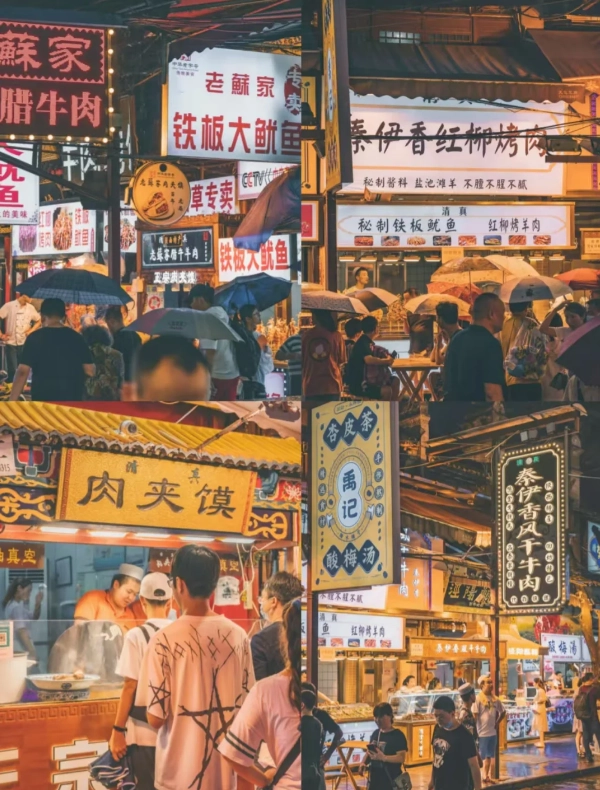
Planning Your Visit: Key Logistics
To tie it all together, you need a plan. Xi'an's main attractions are spread out. The Bell Tower and Drum Tower mark the city's geographical and historical center—great for orientation. The Big Wild Goose Pagoda, a Buddhist relic, is south of the walls and worth a visit, especially for the musical fountain show in the square at night.
My suggested framework for a 3-day core trip:
- Day 1: City Center & Walls. Visit the Bell & Drum Towers in the morning. Walk or cycle a section of the City Wall in the late afternoon for the best light. Explore the Muslim Quarter and have dinner there.
- Day 2: Terracotta Army Day. Dedicate the whole day. Go early. Consider stopping at the Huaqing Hot Springs on the way back for a dose of Tang Dynasty romance history.
- Day 3: South of the City & Deep Cuts. Visit the Big Wild Goose Pagoda and its surrounding park. Explore the Shaanxi History Museum (book tickets online in advance—it's free but quota-limited). Seek out a specific local restaurant for a long, leisurely lunch.
Getting around is straightforward. The metro system is clean and efficient for reaching major points. Didi (China's Uber) and taxis are plentiful and affordable for shorter trips. For the Terracotta Army, public transport or a private car hire is best.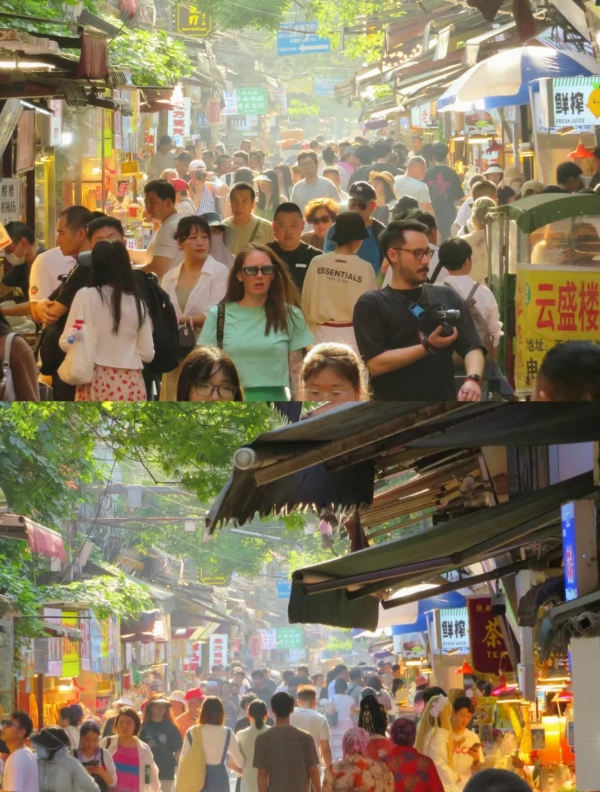
Your Xi'an Questions Answered
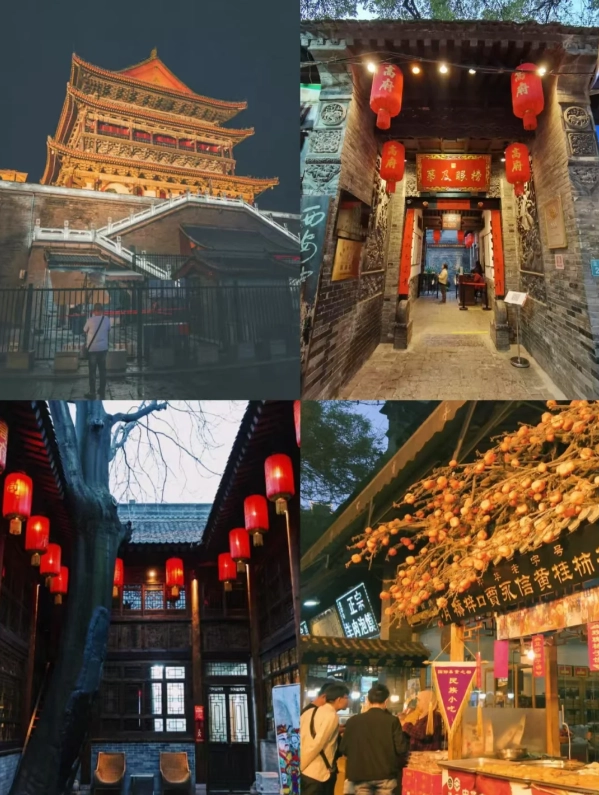 So, what is Xi'an best known for? It's the undeniable, awe-inspiring punch of the Terracotta Army. But it's equally the tangible connection to the past you feel on its city walls, the unique cultural tapestry of the Muslim Quarter, and a food scene that stands as one of China's greatest. It's a city where history isn't a subject in a book; it's the ground you walk on and the meal you're about to eat. Plan around those pillars, and you'll discover exactly why Xi'an holds its legendary status.
This guide is based on first-hand travel experience and cross-referenced with current local information.





Honestly, I was a bit underwhelmed. Maybe I built it up too much from the documentaries. The main pit is huge but you're viewing from a distance behind ropes, and it felt a bit like a crowded museum exhibit. The souvenir shops outside are super pushy too. It's an important historical site, but the experience itself felt a little too commercialized for me.
The Terracotta Army itself is impressive — no doubt. But I went on a national holiday weekend and it was absolutely packed. You could barely get near the front of Pit 1. The heat and crowds made it a bit exhausting. Still worth it, but plan your timing wisely. The rest of Xi'an (especially the Muslim Quarter) was fantastic though. ⭐⭐⭐⭐
As a history nerd, this was a pilgrimage. The Terracotta Army is obviously the star, but don't overlook the smaller pits and the bronze chariots — so much detail. We hired a guide through the official ticket office and she brought everything to life with stories about Qin Shi Huang. One of the most impressive archaeological sites I've ever seen.
Xi'an is way more than just the Terracotta Army — the whole city is a vibe. We spent a morning at the warriors (incredible, book a guide if you can), then biked the ancient city wall, and finished with the best lamb paomo at a little spot near the Muslim Quarter. Every meal was a highlight. I'd come back just for the food!
Absolutely mind-blowing. Seeing the Terracotta Army in person is a totally different experience from photos — the sheer scale, the individual facial expressions on each soldier… it gave me chills. The site is well-organized and the museum does a great job explaining the history. If you're in Xi'an, don't skip this. 10/10 would recommend.
We booked a private guide through our hotel and it made all the difference. Our guide, Mr. Zhang, explained how each warrior was sculpted individually and even pointed out the emperor’s obsession with immortality. The 360-degree movie at the museum is worth the extra fee. Also, don’t skip the bronze chariots – they’re tiny but mind-blowing. A perfect day trip from downtown Xi’an.
Honestly, the Terracotta Army was cool but kind of overhyped. The site is very commercial – you walk through a huge mall of overpriced trinkets before even reaching the pits. Inside, it’s crowded and you can’t get close to the figures. Felt like I was watching a documentary in a hot warehouse. The dumpling banquet they push on you is a tourist trap too. Not worth the 120 RMB.
Went for the Terracotta Army but ended up loving the Muslim Quarter even more. The warriors are a must-see, but be prepared for long queues and aggressive souvenir sellers near the exit. The real magic for me was getting lost in the narrow alleys of the old city, eating freshly baked roujiamo and watching locals play chess. Xi’an has soul beyond the statues.
The warriors are impressive, no doubt, but I was a bit disappointed by how rushed the whole visit felt. The tour guide kept pushing us from pit to pit, and the site itself is basically a giant hangar over the excavation. Also, ticket prices are steep considering there’s not much else to see besides the pits. If you’re a history buff, go – but manage expectations.
Absolutely blown away by the Terracotta Warriors! Standing in Pit 1, seeing thousands of life-sized soldiers with unique faces, gave me chills. The sheer scale is something photos can’t capture. Went on a weekday early morning, barely any crowds. The museum’s lighting and layout are well done too. Definitely a once-in-a-lifetime experience.
I really enjoyed Xi'an overall. The Terracotta Army is undeniably a world wonder, but I wish the on-site museum had more detailed English explanations. The lighting in Pit 1 could be better for photos too. However, the city wall cycling and the night markets more than made up for it. A solid 4-star experience for history lovers.
Honestly, I was a bit let down by the Terracotta Army. The scale is impressive, but the whole experience felt rushed and tourist-trap-ish. You spend more time fighting through queues and being herded like cattle than actually enjoying the artifacts. Plus, the souvenir sellers outside are super aggressive. Not my favorite stop in China.
Forget the warriors for a second – the food in Xi'an is what made this trip unforgettable! The Muslim Quarter is a feast for the senses: sizzling lamb skewers, spicy biang biang noodles, and cold beers at street stalls. I also biked on the ancient city wall at sunset – magical. The Terracotta Army is cool, but the local vibe is even better.
Xi'an is a fascinating city, but the Terracotta Army site felt a bit too commercialized for me. The warriors themselves are incredible, but the crowds were insane even on a weekday. Also, the shuttle bus from the parking lot to the pits was a hassle. Still worth a visit, but manage your expectations.
The Terracotta Army is absolutely mind-blowing. Standing in front of those life-sized warriors, each with a unique face, you really feel the weight of history. The pits are massive and well-preserved. I spent hours just walking around in awe. A must-see for anyone visiting Xi'an – definitely the highlight of my trip!