 Hong Ma
Ask anyone what Xi'an is famous for, and the Terracotta Army will be the first thing out of their mouth. It's iconic, sure. But after spending weeks walking its ancient streets, I realized that defining Xi'an by just one sight is like describing a feast by the napkins. This city, the starting point of the Silk Road and capital for 13 dynasties, is a living museum layered with flavors, sounds, and stones that tell a much richer story. Its fame rests on a powerful trio: an unparalleled archaeological wonder, one of the world's best-preserved ancient city defenses, and a culinary culture that's both historic and explosively vibrant.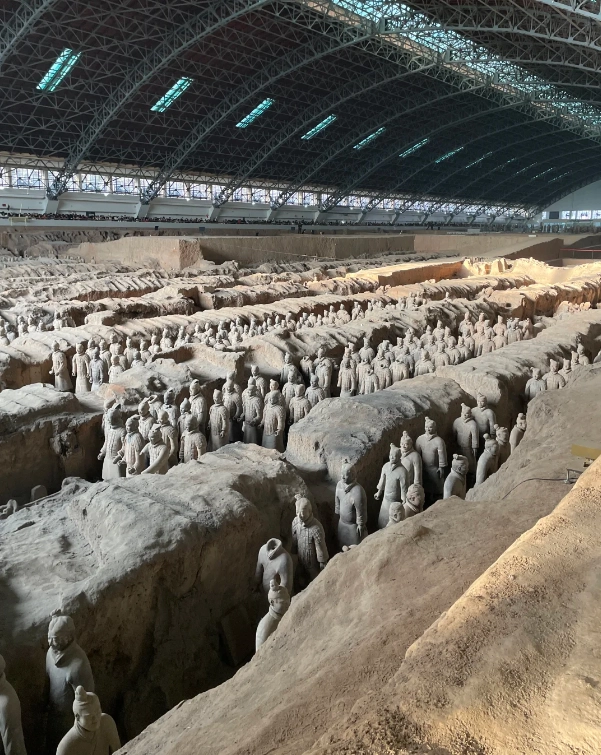
What You'll Find in This Guide
The Terracotta Army: A Practical Deep Dive
The scale hits you first. Standing at the edge of Pit 1, looking over thousands of life-sized soldiers frozen in time, is genuinely humbling. Each face is unique—a detail you only appreciate up close. But here's the non-consensus view most blogs miss: the site can feel chaotic. Tour groups cluster, and the lighting in the pits is dim, making photography a challenge. The key is strategy, not just showing up.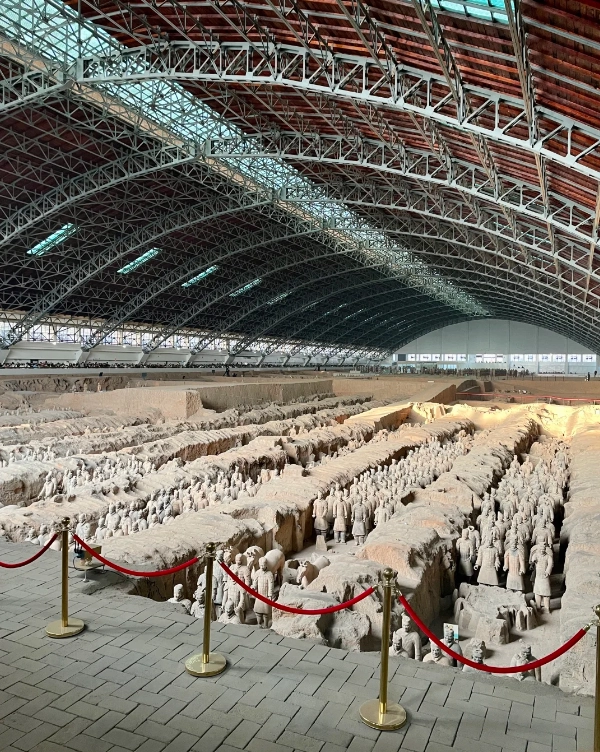
Essential Visit Details
Address: Lintong District, Xi'an (about 40 km east of downtown). Opening Hours: 8:30 AM - 5:00 PM (last entry 4:00 PM). Ticket Price: Approximately 150 CNY (around $21) for the full site, including the pits and the Qin Shi Huang Mausoleum park area (though the main tomb mound is not excavated).
Getting There: Avoid the hassle of public buses. The most efficient way is the Tourist Bus 5 (306) from the east square of Xi'an Railway Station. It's direct, cheap, and takes about an hour. Taxis or ride-sharing apps are convenient but will cost significantly more. A mistake I see first-timers make is joining a rushed half-day tour that gives you only 90 minutes at the site—it's not enough.
Pit 1 is the main event, but don't rush through Pits 2 and 3. Pit 2 shows the excavation and restoration process in action. I watched an archaeologist painstakingly piece together a warrior's arm for over twenty minutes—a reminder that this is an active dig site, not a static display. The on-site museum holds the star exhibits: the two original bronze chariots. Their detail is mind-boggling.
How to Avoid the Crowds at the Terracotta Army
Go against the grain. Everyone arrives between 10 AM and 2 PM. Aim to be at the gate for opening at 8:30 AM, or go in the last two hours before closing. The light is softer then, too. Another pro tip: hire one of the official guides at the entrance. Their stories about the discovery by farmers in 1974 and the theories behind the army's creation add layers of meaning you won't get from an audio guide. Just negotiate the price clearly before you start.
Walking & Cycling the Ancient City Walls
If the Terracotta Army shows you ancient China's ambition, the City Walls show you its practical genius. This Ming Dynasty fortification, over 600 years old, is the most complete in China. You can walk, cycle, or even golf-cart along the 13.7 km perimeter. The view is the real magic. On one side, you see the orderly, historic city center with its bell and drum towers. On the other, the modern skyline of Xi'an rises. It's the city's timeline laid out in a single panorama.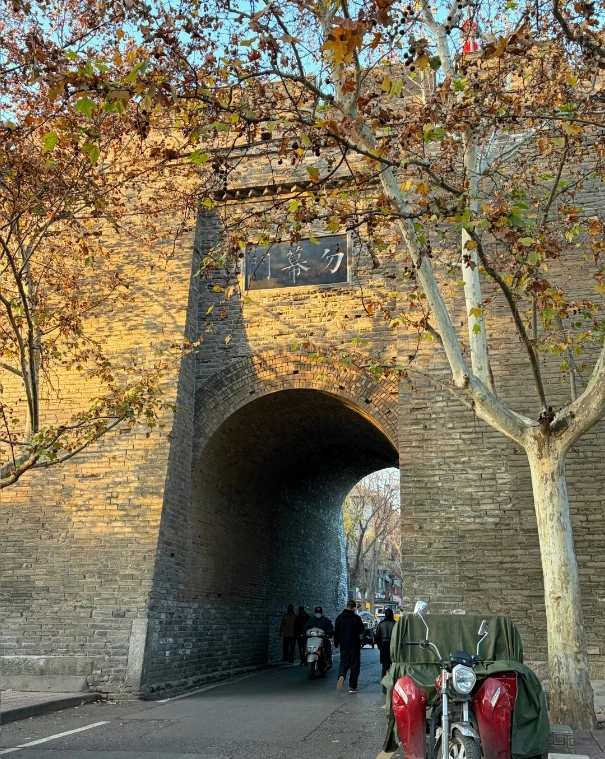
Renting a bike is the way to do it. A full circuit takes about 90 minutes at a leisurely pace. The bricks are uneven in spots, so it's a bumpy ride—not for the faint of heart. I recommend starting from the South Gate (Yongning Gate), which is the most impressive and restored. The best time is late afternoon. You can catch the golden hour light on the grey bricks and watch the city transition into evening, with the walls beautifully illuminated after dark.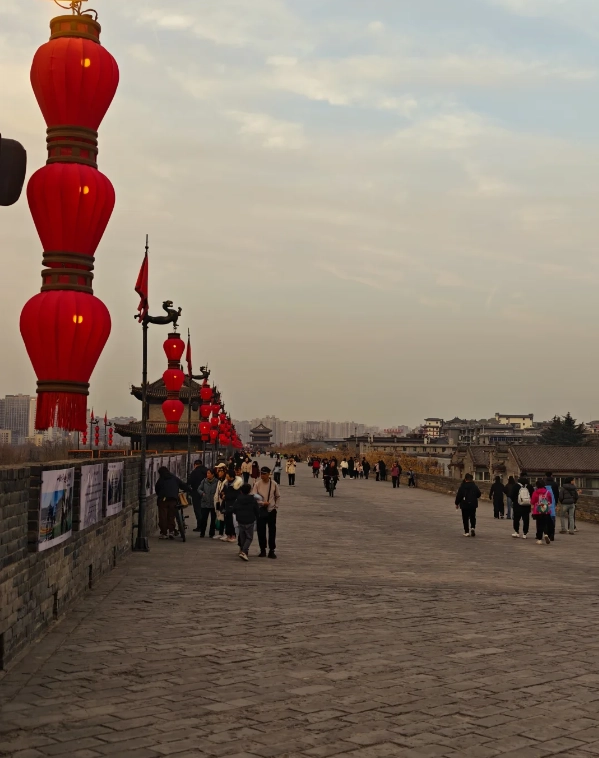
City Wall Fast Facts
Entry Gates: Multiple, but South Gate is the main tourist entrance. Ticket: About 54 CNY. Bike Rental: Available on top of the wall, around 45 CNY for 3 hours. They require a deposit. My Take: The east and north sections are quieter and offer a more local view of daily life unfolding in the streets below.
The Muslim Quarter: A Street Food Epicenter
After history, fuel up. The Muslim Quarter, centered around Beiyuanmen Street, is Xi'an's famous food heart. The energy is incredible—sizzling grills, steaming baskets, vendors calling out. It's crowded, loud, and utterly captivating. This isn't just a tourist spot; it's a centuries-old community of Chinese Muslims (Hui people), and food is its language.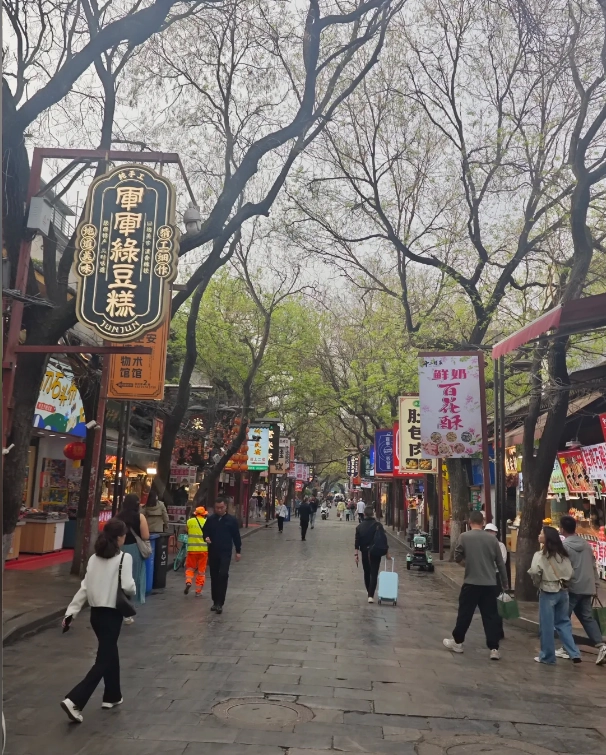
Navigating it can be overwhelming. The main strip is packed with generic skewers. Venture down the smaller alleys like Xiyangshi for more authentic finds. One stall I return to, tucked away from the main chaos, makes roujiamo
Xi'an's Famous Food: More Than Noodles
Xi'an's cuisine is hearty, wheat-based, and full of flavor, reflecting its inland location and Silk Road influences. It's famously carb-heavy, but in the most satisfying way. Here are the icons you must try, and where to find them beyond the tourist queues.
| Dish | What It Is | Where to Try It (My Picks) | Notes & Price |
|---|---|---|---|
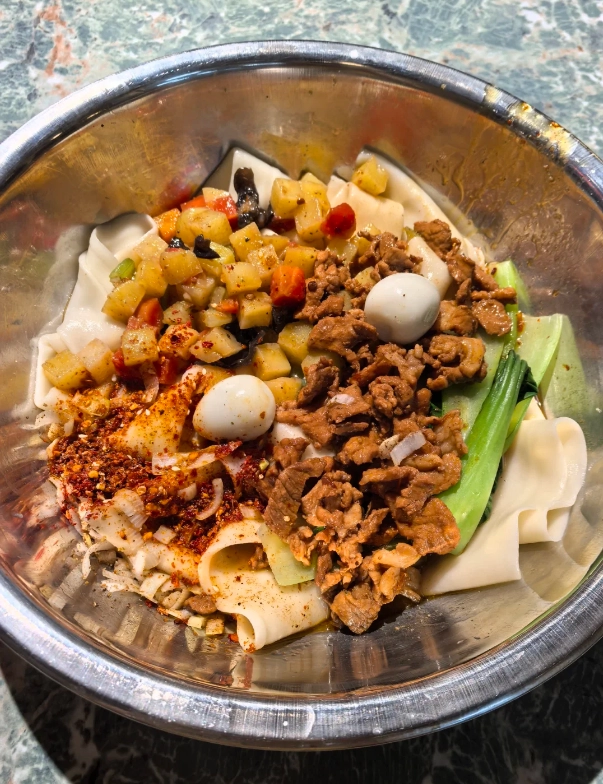
| Biang Biang Noodles | Extremely wide, hand-pulled noodles, often served with chili oil, minced pork, and vegetables. | Su Po Biang Biang Noodle (near South Gate). Simple, no-frills, and consistently excellent. | A bowl is very filling. Expect to pay 20-30 CNY. The character "Biang" is famously complex. |
| Roujiamo | Often called a "Chinese burger." Stewed meat (usually pork or beef) stuffed into a flatbread. | Lao Wang Jia Roujiamo in the Muslim Quarter alleyways. Look for the line of locals. | The bread should be crispy outside, soft inside. 12-18 CNY each. A perfect snack. |
| Yangrou Paomo | A mutton stew. You tear flatbread into tiny pieces, which the server then tops with broth and meat. | Tong Sheng Xiang (multiple locations). A historic chain that does it right. | It's a ritual. Don't rush. A shared bowl is 40-60 CNY. Can be gamey for some. |
| Cold Noodles (Liangpi) | Chewy, cold rice or wheat noodles in a spicy, vinegary sauce with gluten chunks. | Any small local shop, especially outside the immediate tourist center. It's a summer staple. | Refreshing and spicy. Very cheap, around 10-15 CNY. The texture is unique. |
My personal advice? Don't just eat in the Muslim Quarter. The neighborhoods around the South Gate and Xiaozhai area have fantastic local restaurants where you'll see fewer tourists and often get better value. A meal at a good local joint rarely costs more than 50 CNY per person.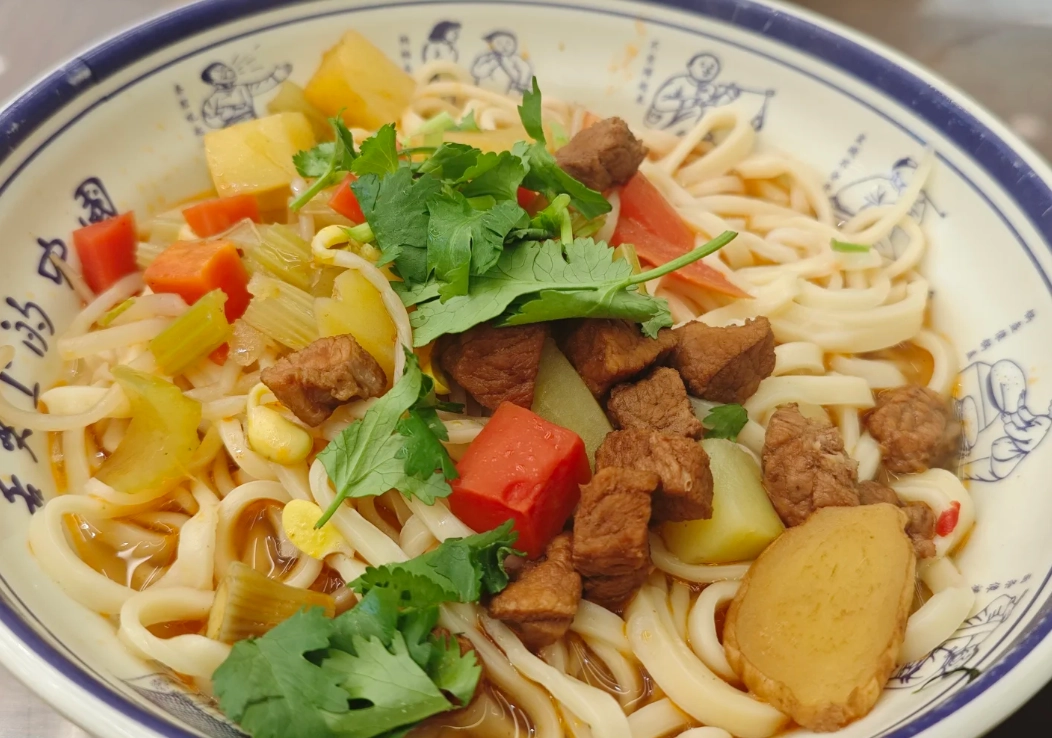
Other Must-See Sights That Deserve Your Time
While the big three (Army, Walls, Food) dominate, Xi'an's fame is bolstered by these supporting acts. They offer quieter, but equally profound, moments.
The Big Wild Goose Pagoda: This Tang Dynasty pagoda sits in a peaceful park. It was built to house Buddhist scriptures brought from India. Climbing to the top offers a different view of the city. The surrounding fountain square puts on a music and light show in the evenings which is surprisingly tasteful. Address: Yanta South Road. Ticket: To enter the park and climb the pagoda, it's a combined fee of about 80 CNY.
The Shaanxi History Museum: This is the context for everything you see. Its collections of Tang Dynasty goldware, pottery figurines, and murals are stunning. It puts the Terracotta Army into a broader historical narrative. Crucial Tip: You need to book your free ticket online in advance (via their official WeChat or website). Walk-ups are almost never successful. Set aside at least 3 hours.
The Bell and Drum Towers: These two iconic buildings mark the geographical center of the ancient city. You can go inside, but the best view is from the outside, especially at night when they're lit up. The square between them is a great people-watching spot.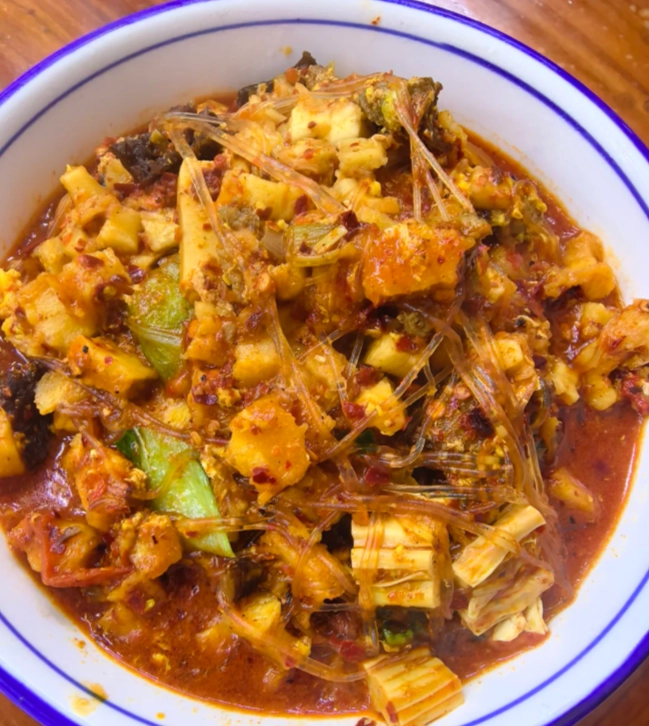
Planning Your Trip: Common Questions Answered
 How do I get around Xi'an efficiently?
Xi'an's fame is well-earned, but it's not monolithic. It's the crunch of bread in a roujiamo, the cool shadow of a thousand-year-old wall, and the silent gaze of a terracotta general. It asks you to engage with it—to climb, to taste, to wander. That's the real reason it stays with you long after you've left.
This guide is based on multiple visits and extensive local exploration. All practical information (prices, hours, locations) is current at the time of writing and has been fact-checked against official sources such as the Shaanxi Provincial Department of Culture and Tourism.





I'm going to be brutally honest – I was a little disappointed. The Terracotta Army is impressive in scale, but the whole experience felt extremely commercialized. You walk through endless souvenir shops before even getting to the pits, and the museum is so crowded that you can't really get a good look without elbows in your ribs. The lighting is dim, and the viewing platforms are far from the statues. Also, the City Wall was not as well-maintained as I'd hoped; parts of the path are cracked and uneven, and the bikes are old and creaky. For the high ticket prices, I expected more. Maybe I caught a bad day, but I wouldn't rush back.
Overall I really enjoyed visiting the Terracotta Warriors and the City Wall, but there are a couple things to keep in mind. The warriors are honestly awe-inspiring – you can't beat the history and craftsmanship. But the site is packed with tourists even on a weekday, so be prepared for crowds. The entrance fee is also quite steep (around 120 RMB), and the shuttle buses from the parking lot feel like a cash grab. Still, it's a must-see in China. The City Wall was more relaxed and fun, especially renting a tandem bike with my girlfriend. Just bring water because there's hardly any shade up there.
Xi'an is a food paradise! I spent an entire evening in the Muslim Quarter (回民街) and just ate my way through the stalls. The lamb skewers are incredible – smoky, spicy, and tender. And don't even get me started on the biangbiang noodles; that thick, chewy texture is perfection. I also tried the classic yangrou paomo and it was hearty and comforting. Everything is so cheap and flavorful. If you love street food, this city will ruin you for anywhere else. I'm already planning my next trip back just for the food!
Riding a bike along the top of the Xi'an City Wall is hands-down the best thing I did in Xi'an. The wall is massive – 14 km long – and the views over the old city and modern skyline are gorgeous. I rented a bike right at the South Gate, and the ride was smooth despite some bumpy sections. The sunset from the wall was magical. Sure, it's a bit pricey to enter, but totally worth it for the unique perspective. Highly recommend going late afternoon to catch the golden hour.
Absolutely blown away by the Terracotta Warriors! Standing in front of those life-sized statues, you can almost feel the ancient army come to life. The sheer scale and detail are mind-boggling. I spent almost three hours just wandering through Pit 1. The museum is well-organized, and the audio guide is worth every penny. This is a bucket-list experience that exceeded all my expectations. If you're a history lover like me, you can't miss it!
I had a mixed time in Xi'an. The City Wall bike ride was fun and the views were lovely, but we got lost trying to find the right exit and ended up walking an extra kilometer in the heat. The food tour we booked was decent – we tried roujiamo and cold noodles – but the guide rushed us through the market and didn't explain much. For the price, I expected a bit more depth. Also, be prepared for aggressive touts near the Bell Tower. Not a bad trip, but not amazing either.
Honestly, the Terracotta Army was impressive but the whole attraction felt overly commercialized. You pay a hefty entrance fee, then get funneled through endless souvenir shops before even reaching the pits. The site itself is basically a giant hangar – hot, noisy, and packed with selfie sticks. I could barely get a decent look at the soldiers. And if you want a guide who actually speaks good English, that's extra. Felt a bit like a money grab. The warriors are incredible, but the experience left a sour taste.
Cycling the City Walls was the highlight of my Xi'an trip – the views of old and new mingling together are gorgeous, especially near sunset. The rental bike was a bit rusty but worked fine. However, the wall itself is VERY long (almost 14 km) and I'm not super fit, so I was exhausted by the halfway point. Also, some sections lacked shade and it was scorching hot. Still a cool experience, just wish there were more drink stalls along the way.
I came for the food and left obsessed. The Muslim Quarter near the Drum Tower is a sensory overload – sizzling lamb skewers, cumin clouds in the air, sweet persimmon cakes fresh off the griddle. The biangbiang noodles at a tiny hole-in-the-wall were thick, chewy, and drenched in chili oil. Only downside? It's incredibly crowded in the evenings and you have to watch your pockets. But for the flavors? 5 stars all the way.
The Terracotta Army was absolutely mind-blowing. Seeing those life-sized warriors face to face in Pit 1 gave me chills – the sheer scale, the individual facial expressions, the dust and dim lighting just added to the atmosphere. We went early on a weekday and barely had to queue. Totally worth the trip from the city center. The guide we hired was knowledgeable and helped skip some confusion at the ticket gate. 10/10 would recommend to anyone visiting China.
Xi'an exceeded my expectations! The Terracotta Army is obviously the star, but the whole trip felt well-organized. Our guide was knowledgeable and even showed us a local noodle-making demo. The City Wall bike ride at golden hour was magical. One small gripe: the souvenir shops at the warrior pits are super aggressive. Ignore them and focus on the history. This is a 5-star destination for anyone visiting China – don't miss it.
I was really excited for the Terracotta Army but left a bit disappointed. The site is huge and impressive in scale, but the lighting is terrible for photos, and you can't get close enough to see details. The museum part was okay, but the whole thing felt rushed and commercialized. The City Wall walk was nice though – peaceful and much less crowded. For the money, I'd rather spend a day just wandering the old town and eating street food.
The Muslim Quarter food scene is unreal – I had the best lamb skewers and biang biang noodles of my life. Street vendors are everywhere and prices are super reasonable. The Terracotta Army is a must-see but prepare for a long bus ride from city center. My only complaint: the audio guide at the pits was outdated and barely worked. Felt like they could invest more in the visitor experience for the price of the ticket. Overall a good day out.
Cycling the City Wall was definitely the best part of my Xi'an visit. We rented bikes for about 2 hours and the views over the old town were stunning at sunset. The wall itself is well-maintained, with clear paths. The Terracotta Army was impressive, but honestly, the site felt a bit chaotic – lots of pushing and poor crowd control. If you're looking for a more relaxed experience, spend extra time on the wall and skip the museum rush. Still worth a 4.
The Terracotta Army is absolutely mind-blowing – seeing those thousands of warriors in person is totally different from any photo. The sheer scale hits you. The only downside was the crowds; it was packed even on a weekday morning. Still, a bucket-list experience. The food tour in the Muslim Quarter was a highlight too. Highly recommend booking a guide to get the historical context.