 Hong Ma
Let's be honest. When you think of ancient Chinese artifacts, the Terracotta Army probably springs to mind first. But if you skip Baoji for Xi'an, you're missing the heart of a civilization that made those warriors possible. I spent a full day at the Baoji Bronze Ware Museum, and it wasn't enough. This place isn't just a museum; it's the definitive archive of the Zhou Dynasty, the era that shaped Chinese philosophy, ritual, and statecraft for millennia. The air feels different here—heavy with history, not just tourist chatter.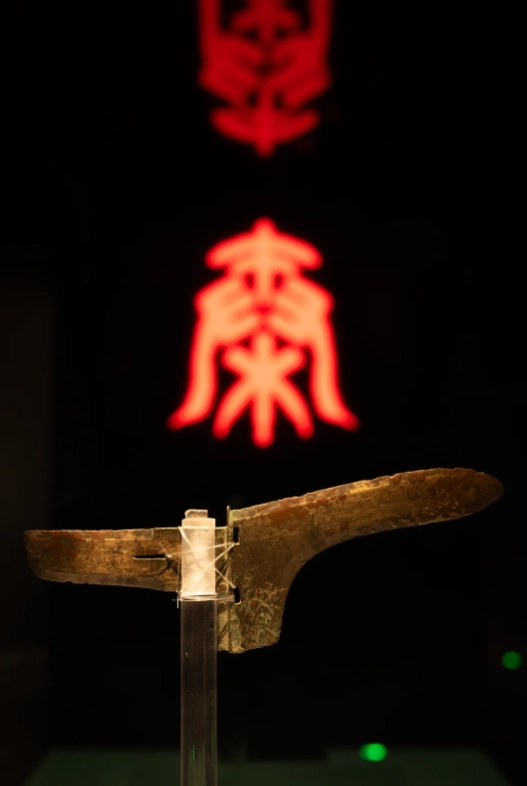
Your Quick Navigation Guide
Why This Museum Beats the Obvious Choices
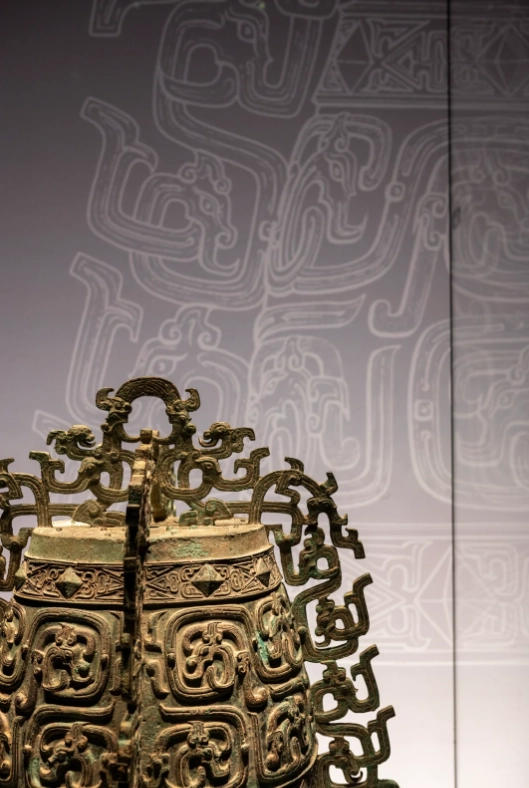
Baoji is called the "Home of Bronze" for a reason. Thousands of ritual vessels, weapons, and bells have been unearthed here, more concentrated and significant than anywhere else. The museum's collection is staggering in its completeness. You don't just see one ding tripod; you see its evolution across centuries, from clunky early forms to elegant masterpieces.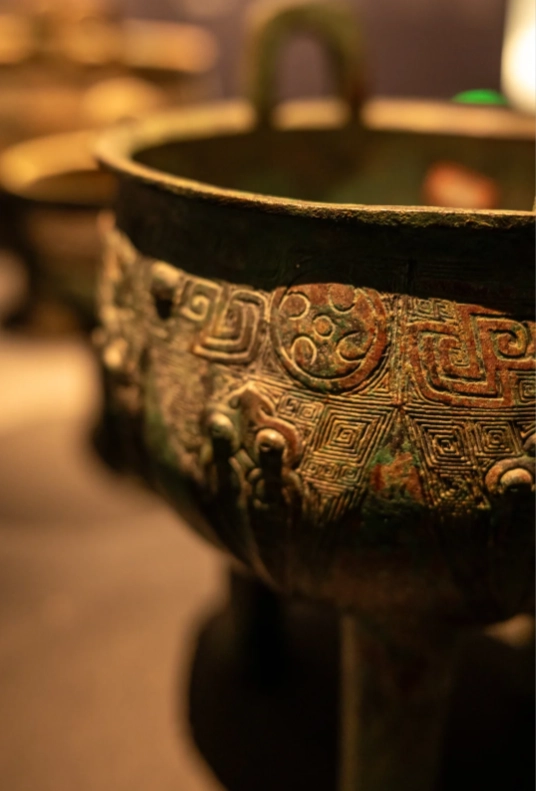
The lighting in some halls is almost theatrical, casting dramatic shadows that make the intricate taotie masks and thunder patterns seem to writhe. It's a detail most reviews miss, but it transforms the viewing from academic to awe-inspiring.
But here's the non-consensus view everyone gets wrong: people come for the age of the objects, but you should stay for the stories they tell. A wine vessel isn't just old; its inscription might detail a land grant, offering a raw, bureaucratic snapshot of power 3000 years ago. The museum excels at contextualizing this. You leave understanding how bronze held that society together, not just that it was pretty.
A Floor-by-Floor Visitor's Guide: What Not to Miss
The museum is logically laid out over several exhibition halls. Don't try to rush. The sequence itself tells a story.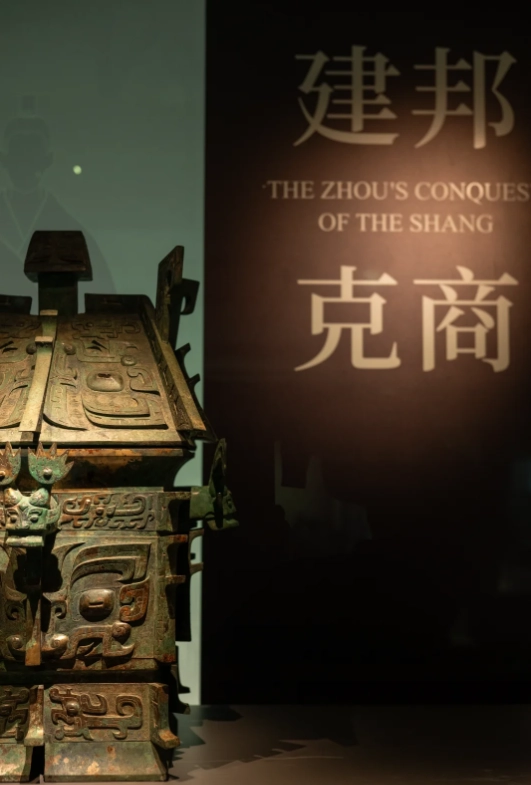
The Main Exhibition Hall: A Chronological Journey
Start here. It walks you from the early Western Zhou to the Eastern Zhou period. Pay close attention to the changes in form and decoration. Early pieces feel powerful and severe. Later ones become more refined, sometimes even playful. Look for the Li Gui, a food vessel with an inscription detailing a military campaign. The detail on the handles is absurdly fine.
The He Zun Hall: The Centerpiece
This hall is dedicated solely to the He Zun and its context. They have excellent bilingual explanations about the inscription's meaning and its historical significance. There's usually a small crowd here, but it's worth waiting for a front-row view.
The Ancient Baoji Country Exhibition
This section connects the bronzes directly to the land. Maps show where major hoards were discovered. It makes you realize these weren't random finds; Baoji was a core political and ritual center. The models of ancient casting techniques are simple but effective.
One personal observation: after the first two halls, fatigue can set in. The sheer volume is overwhelming. My advice? After the He Zun hall, take a break at the courtyard outside. Then, for the remaining halls, pick a theme—like "animal motifs" or "inscriptions"—and just follow that thread. It gives your visit a personal focus.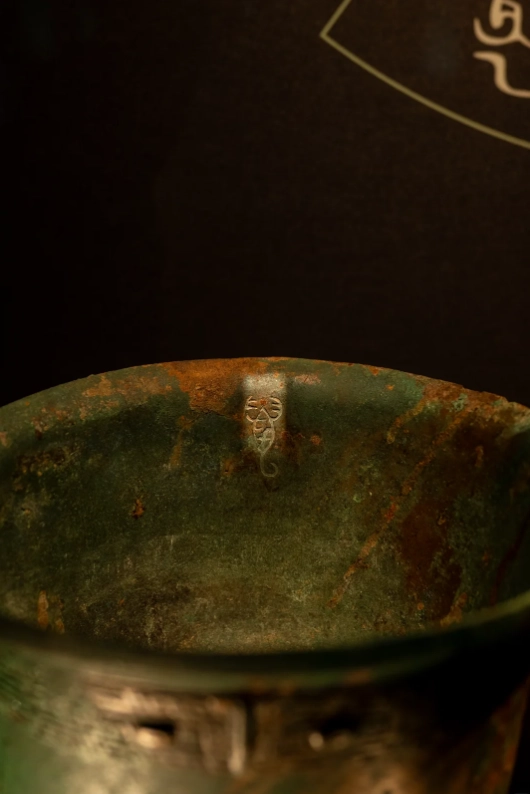
Tickets, Hours, and Getting There
Essential Visit Info at a Glance
Address: No. 20 Gongyuan Road, Weibin District, Baoji City, Shaanxi Province. It's in the center of the city, adjacent to a large public park.
Official Resource: For the most current information, checking the Baoji Municipal Government website or the National Cultural Heritage Administration for museum listings is a reliable step.
| Item | Details |
|---|---|
| Opening Hours | 9:00 AM - 5:00 PM (Last entry at 4:00 PM). Closed on Mondays, except national holidays. |
| Ticket Price (General Admission) | Free. Yes, free. This is a public museum funded by the state. |
| Ticket Reservation | Required. You must book a timed entry slot in advance through their official WeChat channel or on-site via a QR code. No reservation, no entry. This controls crowds effectively. |
| Recommended Visit Duration | 3 to 4 hours for a thorough visit. 2 hours if you're rushing. |
| Best Time to Visit | Weekday mornings. It's quietest between 9:30 AM and 11:30 AM. Weekends and afternoons see more local families and groups. |
How to Get to the Baoji Bronze Ware Museum
From Xi'an: This is the most common route. Take the high-speed train (G/D-series) from Xi'an North Railway Station to Baoji South Railway Station. The journey takes about 1 hour. From Baoji South Station, a taxi to the museum takes 20-25 minutes and costs around 30 RMB. There are also public buses (like Line 7), but with luggage, a taxi is simpler.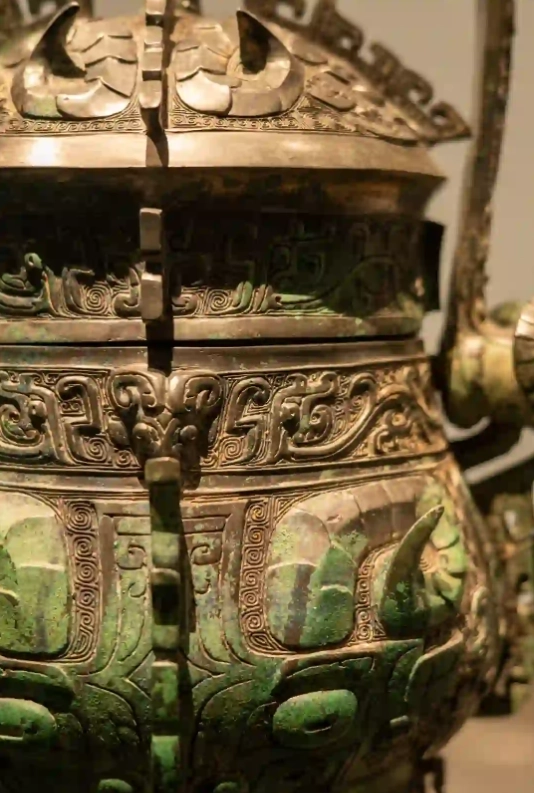
Within Baoji: The museum is well-connected. If you're staying downtown, a taxi is cheap and convenient. Many buses stop near "Bronze Ware Museum" or "People's Park." Baidu Maps or Amap apps work perfectly for real-time bus directions.
I made the mistake of arriving at Baoji Main Station (the old station). It's much farther. Always aim for Baoji South Station for high-speed rail.
Pro Tips for a Better Visit (From Someone Who's Been)
- Reservation is Non-Negotiable. Do this the day before. Scan the QR code at the gate if you haven't, but their system can be slow. Avoid the frustration.
- Hire the Audio Guide. It's cheap (about 20 RMB), available in English, and crucial. The object labels are good, but the audio provides the narrative glue. The device is a bit old-school, but it works.
- Footwear is Key. You will be standing on hard floors for hours. Comfortable shoes are your best friend. The museum is spacious, not cramped, but you'll walk a lot.
- Photography Policy. Photography is generally allowed (no flash, no tripods). However, for the He Zun and a few other top-tier pieces, there might be a "no photography" sign. Respect it. The lighting is also tricky—angles can cause glare.
- Food and Drink. There's a small cafe inside, but options are limited. The park outside has more choices. I'd recommend having a solid breakfast and then planning lunch in the park or back in the city center after your visit.
- The Park is a Bonus. The museum is set within beautiful grounds. If the weather is nice, a stroll afterwards is a perfect way to decompress and process what you've seen.
Your Questions, Answered (The Real Ones)
 The Baoji Bronze Ware Museum demands your attention. It's not a flashy, easy digest. It's a deep, rich, and profoundly significant collection that offers a direct line to the foundations of Chinese culture. Go with time, go with curiosity, and let the silent, majestic bronzes tell you their stories. You'll leave not just having seen old objects, but having touched the narrative of a civilization.
This guide is based on a personal visit. Information regarding operations is subject to change; verifying details like opening hours via official channels before your visit is always recommended.






Unexpected gem! I only stopped in Baoji for a layover, and this museum turned out to be the highlight of my trip. The building itself is modern and spacious, and the exhibits are beautifully lit. I loved the interactive screens showing how the bronzes were cast—super informative. Even the cafe has a nice view of the courtyard. Perfect way to spend a couple of hours.
This is the holy grail for bronze age enthusiasts. I’ve studied the Zhou bronzes for years, and seeing them in person—especially the iconic 'Taotie' masks and the massive ding tripods—was a dream come true. The museum is well-organized chronologically, and the staff were very knowledgeable when I asked about a particular inscription. Five stars without hesitation.
Honestly, a bit let down. Maybe my expectations were too high after reading all the hype. The collection is impressive but the layout feels cramped, especially in the Zhou dynasty hall. Some display cases have bad glare from the overhead lights, making it hard to see details. Also, the souvenir shop is overpriced for what it offers. It’s okay if you have a free afternoon, but I wouldn’t go out of my way.
A solid museum overall. The bronze artifacts are world-class and well-curated, but I found the signage a bit lacking in English—some descriptions had no translation at all. Also, the air conditioning was too cold for me. Still, the exhibits themselves are fascinating, especially the ritual wine vessels. Worth a visit if you're in Baoji, just maybe bring a light jacket.
Absolutely blown away by the sheer scale and beauty of the collection. The He Zun vessel is a must-see—it’s incredible to stand right in front of something that carries the earliest written reference to 'China'. The lighting is just right, making the intricate patterns on the bronzes pop. Spent almost 3 hours here and could have stayed longer. Highly recommend for anyone into ancient history or art.
Got in for 20 RMB (student price) and spent a good two hours. The exhibits are impressive, but I was a bit disappointed by how small the actual bronze section was — expected more considering it’s called ‘Bronze Ware Museum’. The rest of the galleries felt like filler. Still, for the price, can’t complain too much. Just manage expectations.
The highlight for me was the ‘He Zun’ — that famous bronze vessel with the earliest Chinese character for ‘China’! Seeing it in person gave me chills. The staff were friendly and let me take photos without flash. Only downside: the cafe had run out of bottled water by noon, so bring your own. Overall a fantastic cultural experience.
I arrived around 2 PM and the museum was pretty empty, which was nice. The building is modern and clean, but honestly the layout felt a bit confusing — I kept backtracking to find the exit. Some display cases had glare from the windows, making it hard to see details. For a free museum (I think it’s free on weekdays?), it’s decent, but I wouldn’t make a special detour just for this.
If you’re into ancient Chinese history, this place is a must. I spent three hours just staring at the ritual vessels and trying to read the inscriptions. The info panels are detailed but a bit dense — wish they had more QR codes for audio guides in English. Also, the gift shop is overpriced for what it is. But the artifacts themselves? 11/10.
Honestly, the collection here is mind-blowing — the bronze wares are incredibly well-preserved and the sheer craftsmanship left me speechless. The main hall has this dramatic lighting that makes each piece look like it’s glowing. One minor thing: the air conditioning was way too cold, I had to step outside twice to warm up. Still, absolutely worth the trip from Xi’an.
Honestly, I was expecting a bit more for the entrance fee. The permanent collection is remarkable, no doubt, but temporary exhibits were empty and the whole place felt a bit tired—some display labels were peeling off. Also, the signage to find the museum from the bus stop is terrible; I walked in circles for 20 minutes. Okay for a quick visit, but not unforgettable.
We took our two kids (ages 8 and 11) and they were surprisingly engaged! The interactive screen where you can 'virtually' assemble a bronze ding kept them busy for 20 minutes. My husband is a photographer and he said the lighting was tricky for photos—lots of reflections on the glass cases. But the content is world-class. Highly recommend for families!
Came here on a rainy afternoon and it was the perfect escape. The museum is spacious, clean, and not overcrowded. I loved the section on ancient casting techniques—they even have a short video showing the lost-wax process. Staff were friendly and helpful. Only small gripe: the cafe ran out of hot drinks early. Still, a solid 4-star experience.
Decent museum overall, but I was a bit let down by the audio guide. The narration was robotic and skipped some key pieces. Also, the souvenir shop felt overpriced for what it offered. The bronze collection itself is impressive, but the experience could be smoother. Three stars—worth it if you're in Baoji, but don't expect world-class curation.
Absolutely blown away by the sheer scale and craftsmanship of the bronzes here. The He Zun vessel alone is worth the trip—seeing its ancient inscription in person gave me chills. The lighting in the main hall is perfect, not too dim, and the English captions are clear. A must-visit for any history buff in China!