 Peng Gao
You've stood in awe before the silent army of Emperor Qin Shi Huang. Now, you're funneled out of the pits and into a different kind of chaos: the shopping arcade. The sheer volume of stalls, each hawking similar-looking warrior figurines, can be overwhelming. I've navigated this gauntlet multiple times, made my share of mistakes, and learned where the real value hides. This isn't a generic list of souvenirs; it's a field-tested manual for bringing home a piece of history without overpaying or getting stuck with a cheap knockoff.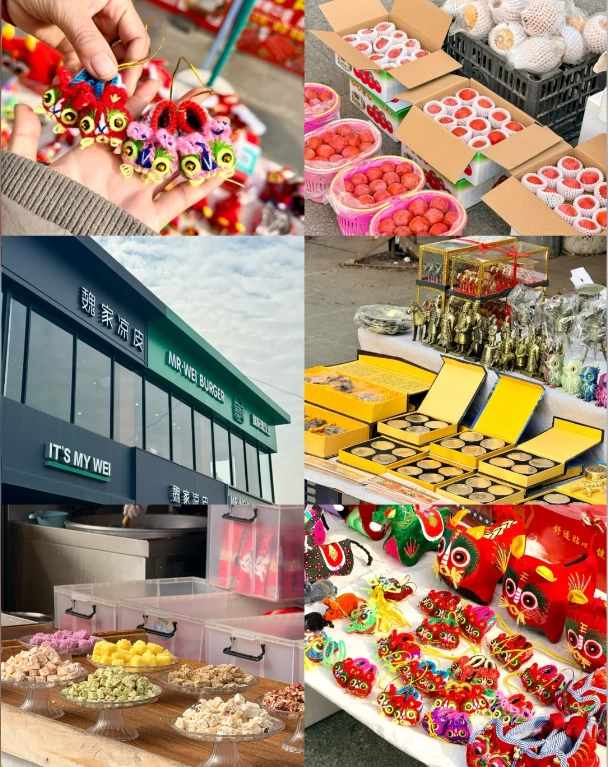
Your Quick Navigation Map
Where to Shop: Museum vs. Outside Markets
Your first decision is location. The shopping experience inside the official museum complex is starkly different from the commercial village just outside the gates.
Inside the Emperor Qinshihuang's Mausoleum Site Museum
The official museum shops, located near the exits of the main exhibition halls and in the comprehensive visitor center, offer a controlled, premium environment. I find their selection more curated, focusing on higher-end replicas and officially licensed books. The prices are fixed (no bargaining), which is a relief for some. They accept international credit cards more reliably, and the staff often speaks basic English. The downside? You'll pay a significant premium for that convenience and authenticity. A 12-inch painted warrior replica that costs 300 RMB here might be found for 80 RMB outside after some haggling. If your priority is guaranteed quality and you dislike haggling, shop here. For anything else, walk past the parking lots.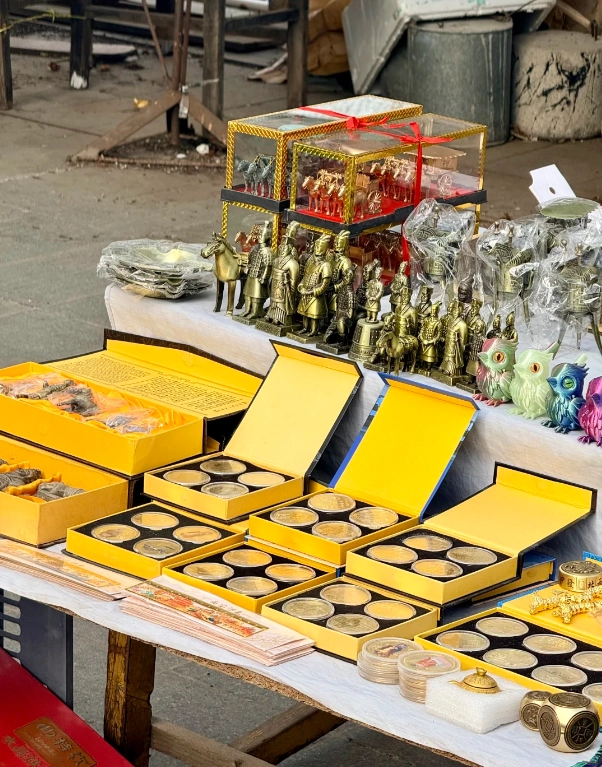
The Commercial Village & Shops Outside the Gates
This is where the real action is. After exiting the museum compound, you'll walk through a vast parking area towards the bus drop-off point. Lining this path and spreading out into the adjacent "Qin Shi Huang Village" are hundreds of family-run shops and stalls. This is my preferred hunting ground. The variety is immense, the prices are fluid, and the atmosphere is vibrantly chaotic. The key is to keep walking past the first 5-10 stalls right at the exit. Their rents are highest, and their prices are most inflated for captive tourists. The deeper you go, especially into the side alleys of the village, the better the deals become. Most shops here operate from about 8:30 AM until the last tourist bus leaves, often around 6:00 PM.
My Strategy: I never buy from the first shop that catches my eye. I browse a few, ask prices casually to establish a baseline, and then circle back to the vendor who had the best craftsmanship and a negotiable demeanor. The shops closer to the public bus parking area (look for the green buses) often have lower overhead than those right on the main pedestrian thoroughfare.
What to Buy: A Curated Souvenir List
Not all terracotta warriors are created equal. Here’s how to spot the good stuff and what else is worth your money.
| Souvenir | What to Look For (The Good) | What to Avoid (The Bad) | Price Range (RMB) & Tips |
|---|---|---|---|
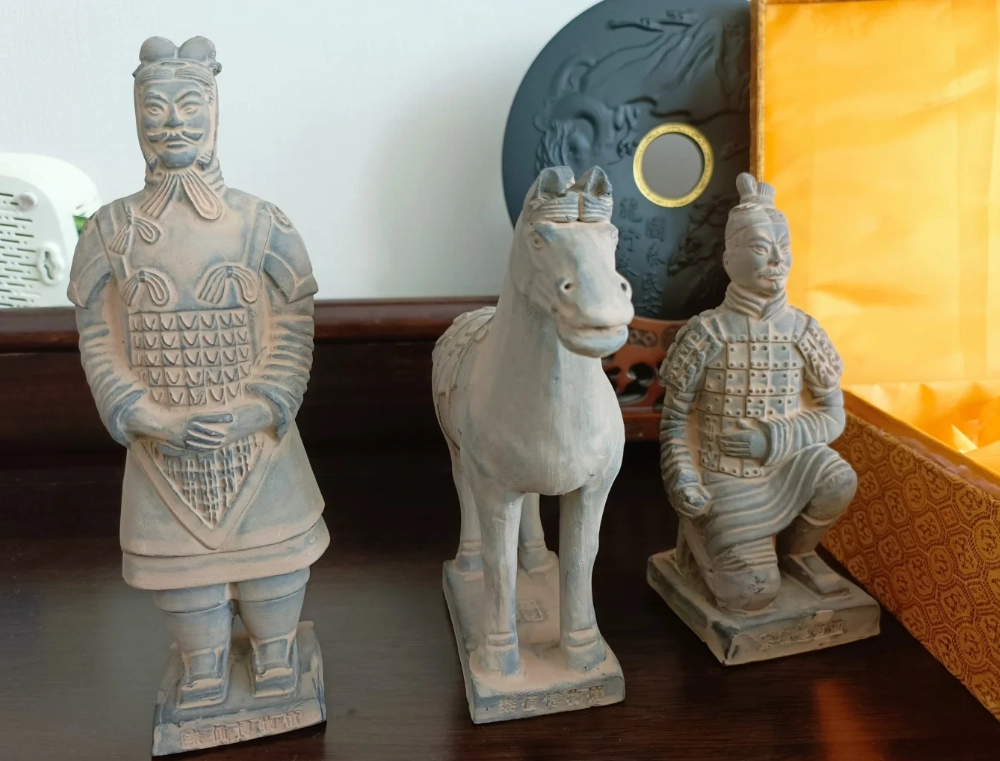
| Miniature Warrior Replicas | Heavy, cold-to-the-touch clay/ceramic. Hand-painted details with variation (no two are identical). Rough, sandy texture mimicking excavated pieces. Clear facial features. | Lightweight, plasticky feel. Sloppy, identical spray-painted jobs. Glossy, smooth finish. Blurred or smudged faces. | Small (4"): 20-50 Medium (8"): 60-120 Large (12"+): 150-300+ Price depends entirely on material and bargaining. A true ceramic piece will cost more than plaster. |
| Jade Carvings & Jewelry | Sold in dedicated shops. Cool, dense feel. Subtle, natural variations in color (no perfect uniformity). Ask for a certificate from a reputable lab (not just a shop receipt). | Overly bright, plastic-looking green. Perfectly uniform color. Glass-like warmth. Vendors making extravagant claims about "ancient tomb jade." | Small pendants: 100-500 Bracelets: 300-2000+ Assume most jade at tourist sites is mid-grade or treated. You're buying a memento, not an investment. Serious jade shopping is for specialized markets in Xi'an city. |
| Silk Products | Real silk has a distinctive, soft luster and a slightly bumpy texture. It feels cool. Scarves should have hand-rolled edges, not machine-stitched. Look for labels from Shaanxi silk mills. | Polyester that feels slippery or squeaky. Too shiny or perfectly uniform. Cheap, serged edges on scarves. | Printed Scarves: 80-200 Hand-embroidered Items: 250+ Silk is a better buy in Xi'an's city center, but decent scarves are available here for convenience. |
| Replica Bronze Chariots & Coins | Solid, weighty metal (often bronze alloy). Intricate casting details. Antique-looking patina that isn't just paint. | Flimsy, hollow metal. Blurry details. Bright, shiny "new penny" finish. | Small chariots: 150-350 These are less common than warriors, so quality varies widely. A good one is a fantastic display piece. |
One item I consistently skip at the site are the "ancient" coins or "excavated" artifacts sold in plastic bags. They are mass-produced reproductions, a fact sometimes lost in translation. They're fine as a cheap trinket for a few RMB, but don't be fooled into thinking they're old.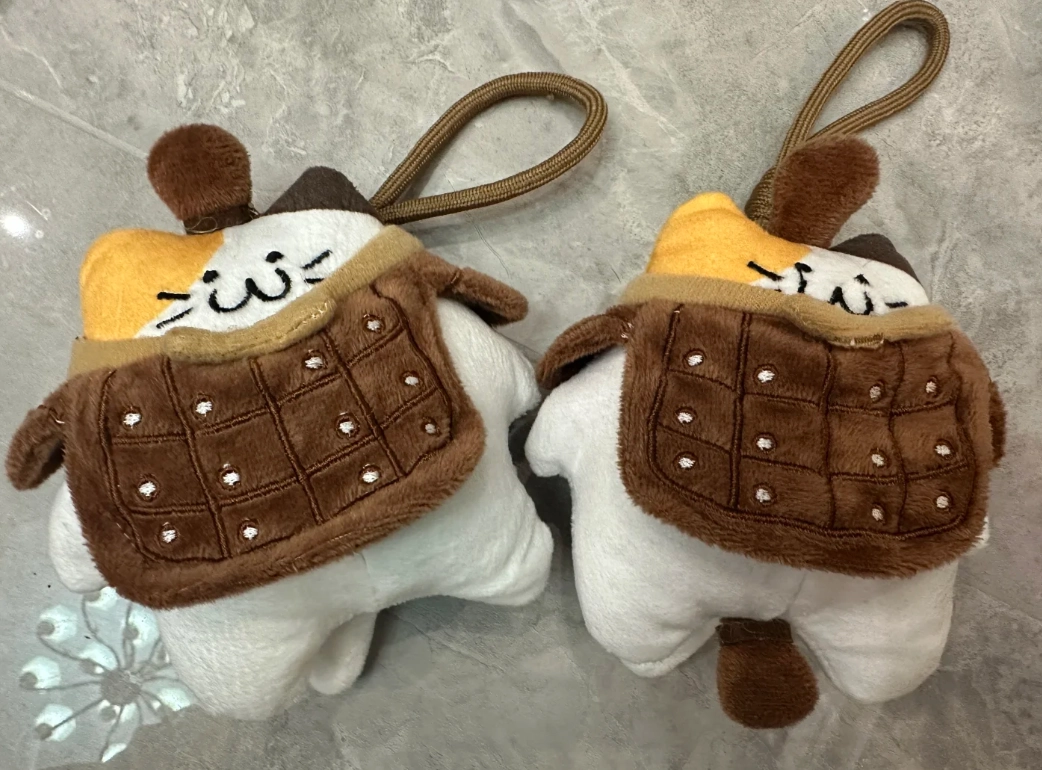
How to Shop Like a Pro: Bargaining & Payment
This is the part that stresses many visitors. Let's demystify it.
Bargaining is expected in the outside village. It's a social dance, not a confrontation. The initial price quoted is often 2-3 times the vendor's bottom line. Here's my routine:
- Show interest, but not desperation. Pick up the item, examine it, ask a question about the material.
- When they quote a price, react with mild surprise. A soft "Oh, that's a bit high for me" or simply putting the item down with a smile works.
- Make your counter-offer at 30-40% of the asking price. For a 300 RMB warrior, start at 100 RMB. They'll act shocked.
- Let the dance begin. They'll come down, you go up slightly. A good final price is usually 50-65% of the first quote. If they say 300, aim for 150-180.
- Be willing to walk away. This is your most powerful tool. Often, they'll call you back with a better price. If not, there are 50 identical shops ahead.
Payment Reality Check: Carry cash. While Alipay and WeChat Pay QR codes are everywhere, linking them to a foreign bank account can be a hurdle. International credit cards (Visa/Mastercard) are rarely accepted in the outside stalls. The official museum shops are your best bet for card payments. I always withdraw a few hundred RMB in Xi'an city before heading to the museum specifically for souvenir bargaining.
English proficiency among vendors is basic but functional for shopping. They know the numbers, "good quality," "clay," "jade," and "best price." Use your phone calculator to show your counter-offer if needed.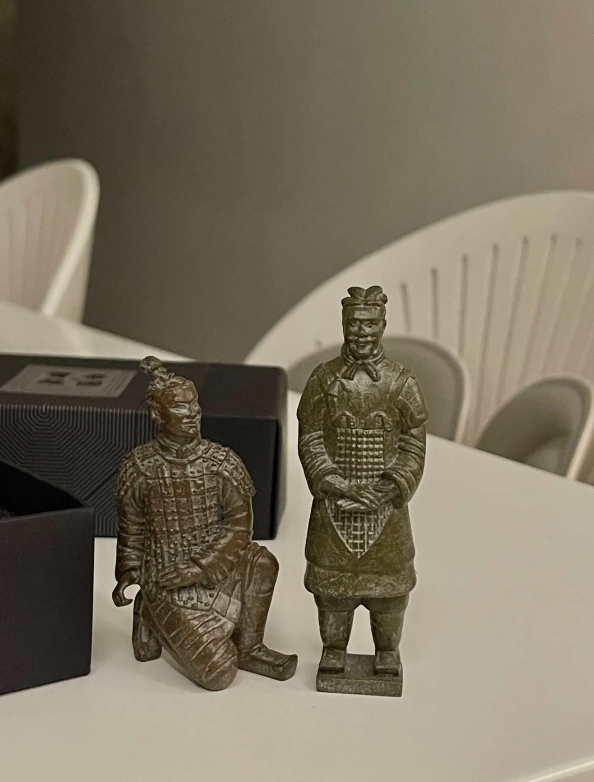
Beyond the Warriors: Other Xi'an Shopping Gems
If your itinerary includes time in Xi'an city itself—and it should—you can find broader and often better selections of similar handicrafts.
The Muslim Quarter (Huimin Jie) is a sensory overload of food and shopping. For souvenirs, look for shadow puppets made from donkey hide, beautifully intricate paper-cut art, and a wider array of silks. The further you stray from the main tourist drag (Beiyuanmen Street) into the side lanes like Sajinqiao, the more authentic and reasonably priced the goods become.
Shuyuanmen Cultural Street (near the City Wall's South Gate) is more curated and less chaotic. It's lined with shops selling antiques (mostly reproductions), calligraphy supplies, traditional paintings, and high-end replicas. It's less about bargaining and more about browsing in a pleasant, themed environment. This is a great place to find unique items like seal chops (name stamps) with your name carved in Chinese.
A personal tip: I bought a beautiful, heavy terracotta warrior in the outside village at the museum. Later, in a small shop on Shuyuanmen Street, I saw a similar-sized piece with far superior sculptural detail and patina for only about 20% more. If you're a serious collector of replicas, it might be worth waiting to compare. For most, the convenience and experience of buying at the site itself is part of the memory.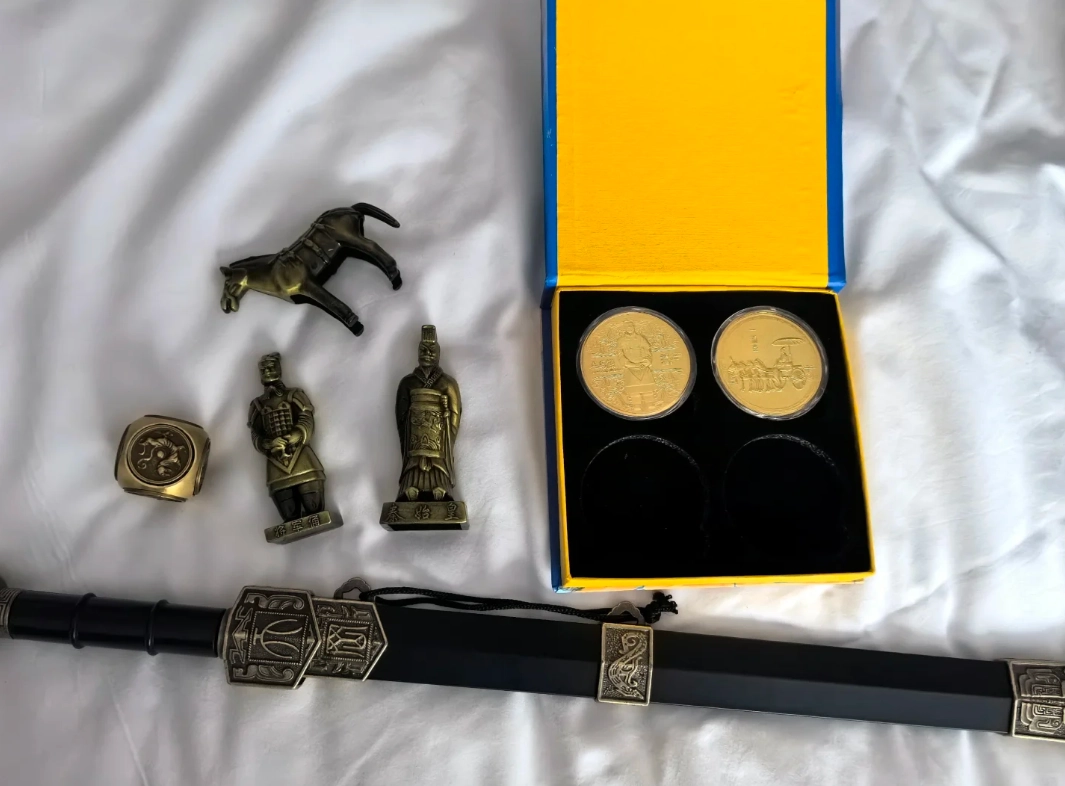
Your Burning Shopping Questions Answered
The key to a successful Terracotta Army shopping trip is to adjust your expectations. You're not in a sterile mall. Embrace the hustle, enjoy the negotiation game, and focus on finding a piece that speaks to you—a tangible reminder of those silent, ancient soldiers standing in formation. With these tips, you'll navigate the souvenir maze with confidence and bring home a piece of history you'll be proud to display.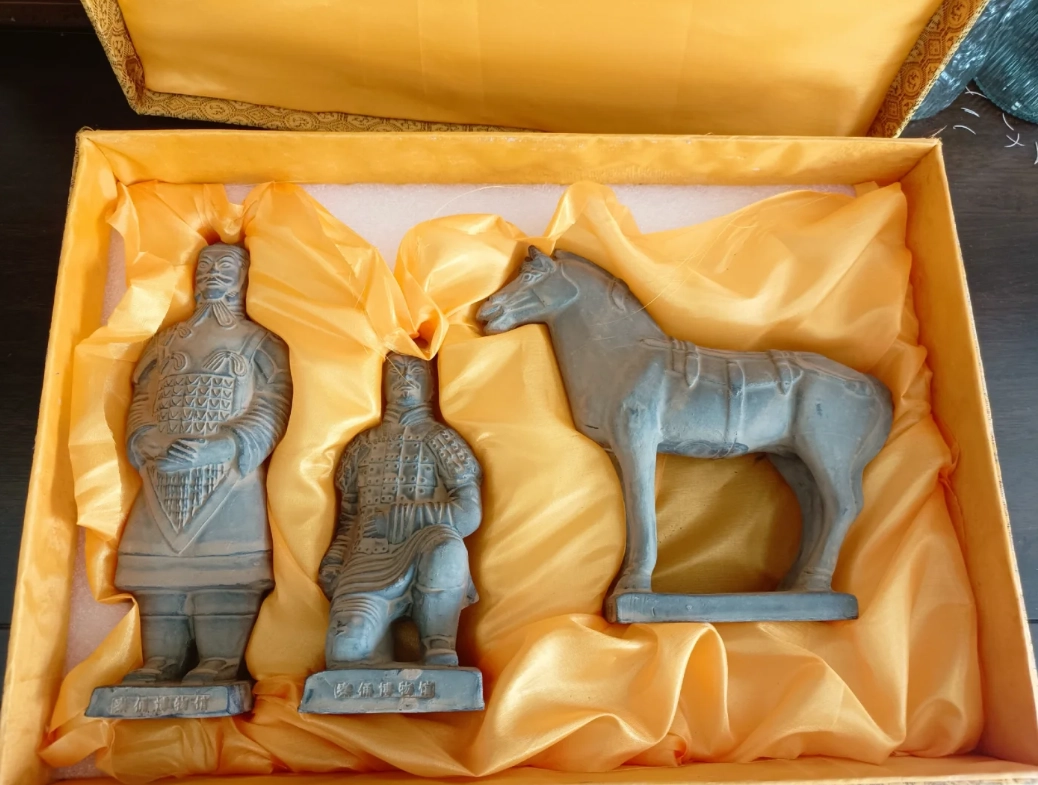
This guide is based on personal, repeated visits and observations. Details like vendor locations and specific price examples are accurate to my most recent experience. For official information on the museum, you can refer to resources like the Shaanxi Cultural Heritage Administration.






I was hoping for more specific price ranges and current stall names. The guide felt a bit generic — it told me to 'browse around' and 'compare prices', which I could have figured out on my own. Also, the list of recommended souvenirs didn't include the terracotta warrior keychains that I actually ended up buying. Felt like a missed opportunity.
Pretty solid guide overall. Most of the tips are still accurate as of last month. I appreciated the warning about fake ‘ancient’ items. My only gripe is the recommended noodle shop near the east gate had already closed down. A small update would be nice, but still a 4-star resource for first-timers.
I’m a sucker for museum-quality replicas and this guide pointed me straight to the authorized replica shop. Got a beautifully made general statue with proper patina. The article also explained which materials are worth paying for. Couldn’t be happier. If you're a serious collector, this is a must-read.
Honestly one of the best shopping guides I've used. The map references and clear descriptions of each stall made it so easy to find the artisan who sells the hand-painted horses. I ended up buying three small figurines and a silk scroll. Only wish it had a bit more info on bargaining etiquette, but overall super helpful.
This guide was a lifesaver! I read it before my trip and it helped me avoid the overpriced tourist traps near the pits. The tip about buying miniature warriors from the official shop near the exit saved me at least 100 yuan. Also loved the section on replica bronze chariots. Highly recommend printing it out or saving offline.
Helpful but incomplete. The guide does a great job listing what NOT to buy (overpriced bronzes, 'ancient' coins) and where the official stores are. I followed its advice and got a nice terra-cotta warrior bookend for 80 yuan from the official museum shop — solid quality. However, it completely ignores the street food stalls just outside the complex. I was hungry and wanted to try some local snacks, but the guide only mentions souvenirs. Also, the opening hours for the shopping areas aren't mentioned — I arrived late and one of the recommended shops was already closed. Would be better with a few more practical tips. 4 stars for the core shopping advice.
As a first-time traveler to Xi'an, this guide was a lifesaver. I followed the recommendation to buy the miniature warriors from the vendor with the red canopy outside Pit 3 — exactly what I wanted and only 25 yuan each. The guide even mentions getting a certificate for larger purchases, which I didn't think of. The shopping route it suggests (start from Pit 2 souvenir area, then head to the outdoor market by the parking lot) saved me so much time. Also loved the coffee shop tip — the one with the warrior latte art is real! My only tiny complaint is it could use photos of the recommended items. But overall, super helpful. 5 stars.
Meh, the guide is okay but feels a bit generic. It tells you to buy terra-cotta figurines and local snacks, but like, no duh. The part about the 'underground market' near the north gate was outdated — I walked there and it was just a few empty stalls and a dusty parking lot. The section on jade is also pretty thin; it basically just says 'be careful of fakes' without giving any real tips on how to spot them. I did appreciate the tip about the museum's official tea shop — got some nice Xi'an jasmine tea bags, but that's about it. Good for a very basic overview, but nothing you couldn't find in a 5-minute Google search. 3 stars for the effort I guess.
This shopping guide saved me from making a huge mistake. I almost bought a 'hand-carved' miniature horse from a guy near the bus station until I read the tip about factory-made fakes. Ended up sticking to the official museum store and got a beautiful silk-bound book of photos for 120 yuan — totally worth it. The guide's recommendation for the small souvenir alley behind the square is gold: found custom calligraphy bookmarks for 15 yuan each. My only wish is that it had more info on bargaining techniques, because I felt a bit lost negotiating. Still, 5 stars for helping me navigate without getting scammed!
Honestly wish I had read this guide before heading to the Terracotta Warriors. The section on replica warriors is spot on — I ended up buying a small one near the pit exit for 60 yuan, but later saw identical ones in the official gift shop for half that. The map showing where to find the best pomegranate wine is super useful too. Only complaint is the guide doesn't mention the street vendors right outside the parking lot who will aggressively try to sell you 'jade' — total rip-off, avoid those guys. Overall a solid resource for first-timers!
This article nails the cultural context behind the shopping scene. I appreciated the explanation of why certain colors and poses are more valuable in terracotta reproductions—something I never would have known otherwise. The tip about buying small fragments from excavation surplus was a gem. Only reason it's not a 5 is because the layout could be cleaner on mobile, but the info itself is top-notch.
Honestly a bit disappointed. I visited some of the recommended shops and found the staff pushy and the prices inflated compared to what the article claimed. Maybe the info is outdated? The section on replica authenticity was interesting but felt incomplete. I'd check more recent reviews before relying on this alone. Not terrible, but I expected more practical help.
Loved how the guide broke down price ranges and warned about the fake ‘ancient’ coins. I'm on a strict backpacker budget and the pointers for haggling near the East Gate saved me at least 50 yuan per item. The writing style is friendly and easy to scan. Would have given 5 stars if it included a few photos of the actual shops, but the descriptions are vivid enough.
A solid read with decent suggestions, but I felt it leaned a little too heavily on the souvenir shops and glossed over the museum's official store. The sections on replica quality and material (terracotta vs resin) were helpful though. I ended up buying a small warrior from a vendor listed here, and it's holding up well. Not mind-blowing, but definitely functional.
Just got back from Xi'an and this guide was a lifesaver. I followed the recommendation for the off-the-beaten-path workshop near the airport and scored a beautifully painted archer for half what the main stalls were asking. The map and pricing tips were spot-on. Only wish the article had a bit more detail on negotiating etiquette, but overall absolutely brilliant. Will bookmark for my next trip.