 Jian Zhao
My Quick Guide to Wall Shopping
- How to Navigate the Muslim Quarter Without Getting Overwhelmed
- Shuyuanmen Antique Culture Street: More Than Just Calligraphy
- Shuncheng Lane's Hidden Boutiques & Cafes
- What are the Best Authentic Souvenirs to Bring Home?
- Practical Tips for a Smooth Shopping Experience
- Answers to Your Burning Shopping Questions
Let's get one thing straight: shopping near the Xi'an City Wall isn't about finding a sterile mall. It's about diving into centuries-old hutongs, squeezing past sizzling food stalls, and feeling the weight of a hand-carved jade seal. Most guides will just list places. I spent days walking every alley, getting lost, and yes, occasionally overpaying, so you don't have to. The real treasure isn't just what you buy, but knowing you got it from the right stall, at a fair price, and without the tourist-grade hassle. This is the shopping guide I wish I had before my first visit.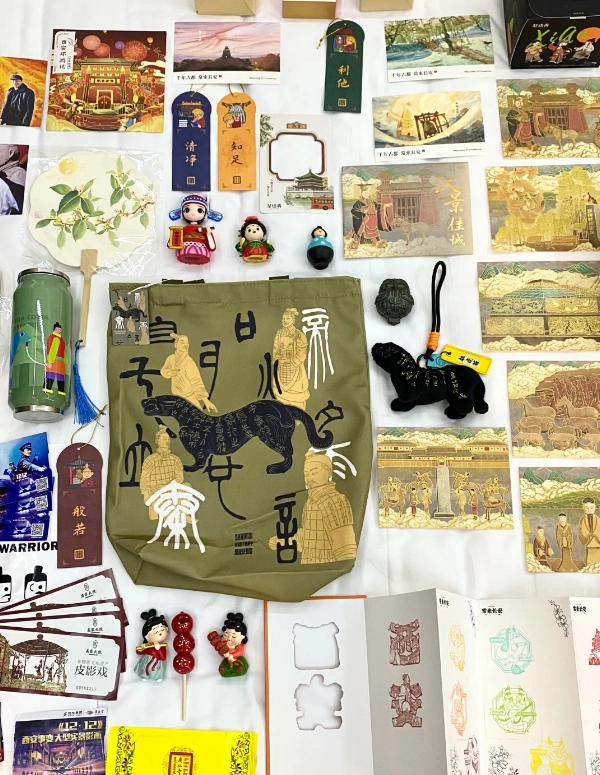
How to Navigate the Muslim Quarter Without Getting Overwhelmed
The Muslim Quarter (Beiyuanmen Street) is the epicenter. The main drag from the Drum Tower north is a sensory overload—in both good and exhausting ways. My advice? See it, soak it in, but don't do your serious shopping here immediately. The first few hundred meters are packed with identical stalls selling mass-produced trinkets and loud snack vendors. The prices are higher, and the bargaining is aggressive.
The magic starts when you peel off into the side alleys like Sajinqiao. I turned left onto Sajinqiao Lane, and the crowd thinned. The shops felt more permanent. I found a family-run store about 50 meters in on the right, specializing in hand-painted shadow puppets. The owner, a man in his 60s who introduced himself as Master Wang, didn't shout. He was patiently repairing an old puppet. The difference in quality was night and day—the leather was thicker, the colors were from mineral pigments, not garish dyes. For a medium-sized, intricate warrior puppet, he asked for 280 RMB. After a calm chat (and buying two), I got it for 220 RMB. He doesn't speak much English, but he had a calculator and a lot of patience. He only accepted Alipay or WeChat Pay.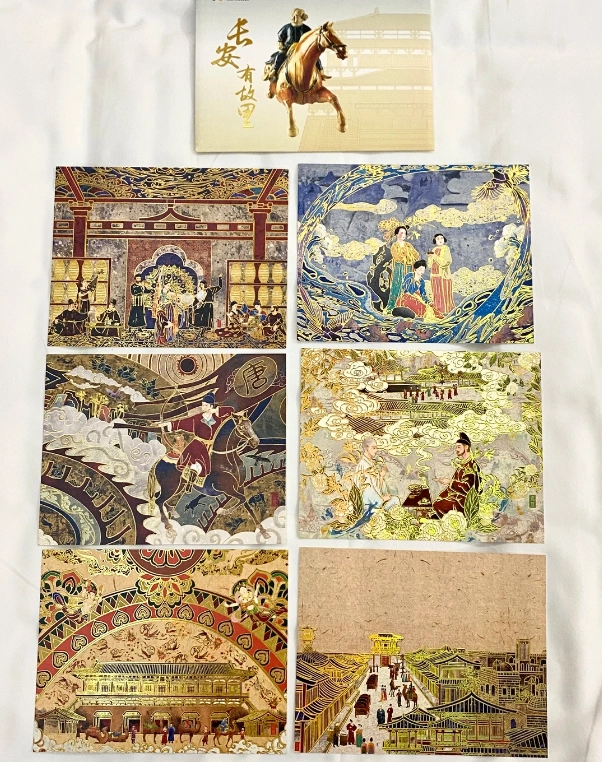
Best Time to Go: Late afternoon, around 4 PM. You can explore the side alleys in daylight, then experience the electric atmosphere of the main street's night market as it lights up. Most food stalls and shops are open until 11 PM or later.
Specific Shops I'd Return To
Deep in the network of alleys, I stumbled upon "An Jia" Nianhua Shop. It's tiny, easy to miss. They sell traditional Chinese paper-cuts (jianzhi) and woodblock New Year prints. The artist often works in the back. These aren't flimsy red sheets; they're intricate designs pressed onto sturdy paper, telling folk stories. A beautiful, A4-sized paper-cut of the City Wall scene cost me 45 RMB. No bargaining here—the price is fair for the craftsmanship. Cash or扫码 (scan-to-pay) only.
Shuyuanmen Antique Culture Street: More Than Just Calligraphy
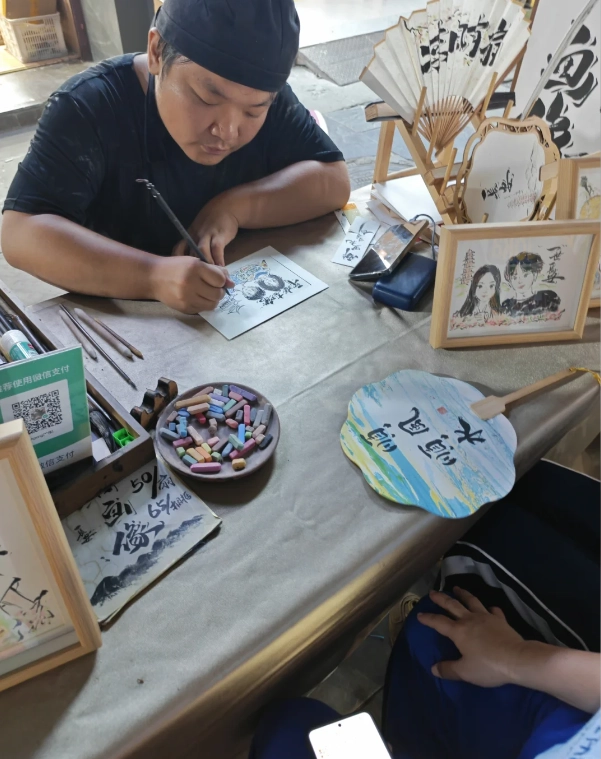
Just inside the South Gate (Yongningmen), Shuyuanmen stretches east. It's quieter, more scholarly. Yes, every third shop sells calligraphy sets, ink stones, and scrolls. But look closer. I spent an hour in a shop called "Wen Fang Si Bao" (The Four Treasures of the Study). The owner, a calligrapher himself, showed me how to feel the grain of a good ink stone (it should feel slightly abrasive, not slick) and how the weight of a brass seal feels different from a cheap alloy one. For a beginner's set with a decent goat-hair brush, a small ink stone, ink stick, and rice paper, expect to pay 150-400 RMB depending on quality. He spoke basic English and was keen to explain the art.
My non-consensus tip? Don't buy the "antique" coins or pottery fragments sold by shady-looking characters on the street. They're almost certainly fakes. If you're serious about antiques, stick to the established shops with proper labels, but know that exporting real antiquities is strictly regulated.
Shuncheng Lane's Hidden Boutiques & Cafes
This was my favorite discovery. Shuncheng Lane runs along the inside of the southern and eastern sections of the City Wall. It's less of a market and more of a trendy, laid-back strip. After the chaos of the Muslim Quarter, it's a sanctuary. Here, you'll find:
- Designer souvenir shops: Places selling modern interpretations of Tang dynasty patterns on silk scarves or minimalist ceramic tea sets. Prices are fixed and higher (a scarf might be 300+ RMB), but the design is unique.
- Independent coffee shops and bars: With terraces offering direct views of the massive City Wall. Perfect for a shopping break.
- Small art galleries: Showcasing work from local painters and sculptors.
It doesn't have the raw, historic feel of the hutongs, but for quality over quantity, it's unmatched. I bought a stunning blue-and-white porcelain pendant from a small gallery here. It was pricey at 180 RMB, but it came with a certificate from the artist and a story.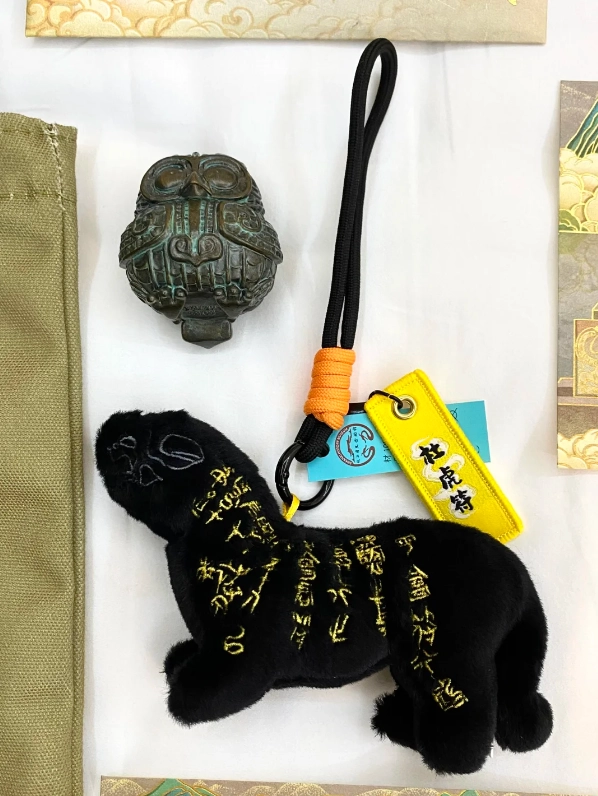
What are the Best Authentic Souvenirs to Bring Home?
Skip the plastic Terracotta Warrior keychains. Aim for these:
| Souvenir | What to Look For (The Real Deal) | Where to Buy & Price Guide | Red Flags (Avoid This) |
|---|---|---|---|
| Replica Terracotta Warriors | Heavy, cold-to-the-touch terracotta or ceramic. Hand-painted details show slight variations. The base is unglazed, rough clay. | Shops near the official museum gift shop (outside the actual Terracotta Army site) or in Shuyuanmen. A 12-inch, good quality replica: 150-300 RMB after bargaining. | Feels light (plaster). Paint is shiny, perfect, and smudgy. Uniform, mass-produced look. |
| Lantian Jade | Lantian jade is often greenish-white or honey-yellow. It should feel cool and dense. Tiny, natural imperfections (veins, clouds) are normal. | Specialized jade shops, NOT street stalls. Ask for a certificate. A simple pendant: 200-600 RMB. A small carving: 500-1500+ RMB. | Vivid, uniform emerald green (likely dyed glass). Perfectly clear with bubbles (glass). Too cheap for the size. |
| Handmade Paper-Cuts (Jianzhi) | Intricate, continuous cuts without tears. Paper has a slight texture. Designs are symbolic (fish for abundance, peony for wealth). | Small workshops in the Muslim Quarter side alleys or Shuyuanmen. Framed, complex design: 50-150 RMB. | Flimsy, laser-cut perfection (no variation), glued-on details. |
| Shadow Puppets | Made from donkey or ox hide, semi-transparent when held to light. Joints move smoothly. Hand-painted with nuanced expressions. | The Muslim Quarter side alleys (like Sajinqiao). A main character puppet: 150-350 RMB. | Plastic or thick, opaque leather. Garish, printed colors. Stiff movement. |
Practical Tips for a Smooth Shopping Experience
Payment Reality: Assume 95% of small vendors and markets only accept Chinese mobile payment apps (Alipay, WeChat Pay) or cash (RMB). International credit cards are rare outside of hotel boutiques or large department stores. Get your Alipay or WeChat Pay set up with your foreign card before you go—it's a game-changer. Carry some cash for tiny purchases or places with poor signal.
Bargaining is expected in markets, but not in fixed-price boutiques or malls. A good rule? If there's no visible price tag, you can haggle. Start by offering 40-50% of the asking price. Meet around 60-70%. Be polite, smile. If the price doesn't budge and you feel it's fair, it probably is. Walking away is your best tool—sometimes they'll call you back with a better offer.
Getting There: The South Gate (Yongningmen) area is your shopping hub. It's easily accessible by metro (Line 2 to Yongningmen Station). From there, you can walk to Shuyuanmen, the southern section of Shuncheng Lane, and it's a 15-20 minute walk north to the heart of the Muslim Quarter.
Answers to Your Burning Shopping Questions
 Are the shops and markets open in the evening?
 The shopping around Xi'an City Wall is a journey in itself. It's not always straightforward or comfortable—you'll be jostled, you'll be quoted silly prices, and you might buy something you later regret. But when you find that perfect piece from a quiet workshop, when you successfully haggle for a beautiful item, or when you simply enjoy a local snack while browsing, you're connecting with the living, breathing city in a way that just visiting a monument can't provide. Go with an open mind, a charged phone for payments, and comfortable shoes. The wall has stood for centuries; the vibrant market life at its feet is its enduring echo.
This guide is based on my personal, on-the-ground experiences. I've fact-checked locations and general practices, but remember, markets are living entities—prices and specific vendors can change.





I spent a whole Saturday wandering from the North Gate down to the old Muslim quarter. The mix of street food and handmade jewelry is incredible – bought a silver ring with a tiny turquoise inset for about ¥30 after some friendly bargaining. The seller even told me the stone was from Qinghai. Every interaction felt genuine. Can’t recommend this area enough for souvenir hunters who want stories, not just stuff.
If you want authentic finds near the city wall, skip the main drag and head to the backstreets by the South Gate. I found a tiny shop run by a retired calligrapher who makes brushes by hand – he let me watch him shape the bristles. Picked up two brushes and a small ink stone for less than I’d pay for a mass‑produced T‑shirt. This is the real Xi’an.
Absolutely loved the little market tucked under the West Gate! The old guy selling hand-carved wooden stamps let me try them out with real ink, and he even showed me how to make a character stamp of my name. Fresh spiced tea wafted from a cart nearby – I bought a bag and it’s amazing. Pure local flavor, way better than the tourist traps by the Bell Tower.
Walking along the alleys just inside the East Gate you’ll find a nice mix of local crafts and affordable souvenirs. I picked up some hand-painted fans and a set of cloisonné chopsticks – good quality for the price. Only downside was when it started raining and a few stall owners quickly packed up without warning, leaving me mid-transaction. Still, a solid afternoon for browsing.
Honestly, I was a bit disappointed with the shopping near the South Gate. I’d heard so much about authentic finds, but most stalls were selling the same mass-produced keychains and fridge magnets you see everywhere. The vendors were pushy, and haggling felt exhausting rather than fun. One scarf I bought started unravelling after one wash. Not worth the hype, especially with the crowds.
Good variety of local snacks and handmade jewelry, especially the section near the Dabaishi intersection. The night market vibe is great with string lights and live music from a nearby bar. Only downside: a few vendors quoted different prices to Chinese customers vs. me, which felt a little off-putting. Still, I snagged a nice jade bracelet for a reasonable price after some friendly negotiation. Solid 4 stars.
This is the real deal if you step off the main strip. I wandered into a courtyard off Shuncheng Alley and met a paper-cutting artist who let me try scissor skills myself. Ended up buying a custom zodiac piece – took him 15 minutes and cost just 30 yuan. The energy around the wall at sunset with all the lanterns coming on is magical. A memory I’ll cherish.
Honestly a bit let down. The market along the northern section felt overcrowded and every second stall sold the same keychains and fridge magnets. Had to constantly dodge electric scooters. Tried bargaining for a small terra-cotta warrior replica but the vendor wouldn’t budge below twice what it’s worth. Maybe I hit it on a bad day? Not the authentic experience I was hoping for.
Decent spot for picking up souvenirs and street food. The grilled lamb skewers near the East Gate were amazing – smoky and tender. Some of the scarf vendors were a bit pushy, but I managed to haggle a fair price for a few calligraphy prints. Would have given 5 stars if the prices weren’t so inflated for foreigners; still, a fun way to spend a couple of hours.
Absolutely loved browsing the small lanes near the South Gate! Found a tiny shop run by an elderly couple selling hand-painted ceramics and silk pouches. The owner even showed me how they mix their pigments – such a personal touch. Felt like authentic Xi’an culture, not the touristy stuff. Bought a set of tea cups as a keepsake. Highly recommend going around late afternoon when the light hits the city wall.
Just outside the South Gate near the Yongningmen entrance there’s a small pedestrian alley packed with handmade jewelry and local snacks. Bought a jade bracelet that came with a little certificate of authenticity. The vendor was patient and even offered tea. Highly recommend for a relaxed shopping afternoon.
Walked along the West Wall stretch looking for calligraphy supplies. Prices varied wildly from stall to stall—one place wanted triple what the next charged for the same brush. A bit exhausting to compare everything. Still ended up with a decent ink stone, so not a total loss.
The markets near the North Gate are a treasure hunt! Found some antique coins and a vintage Chinese chess set that I’ve never seen online. The guy running the stall spoke decent English and told me stories about each item. Definitely the highlight of my Xi’an trip for shopping.
Decent selection of souvenirs along the East Wall area, but most shops sell the same stuff. Got a nice silk scarf for a reasonable price, though I had to haggle for a while. The shopkeeper was friendly but not pushy. It’s okay if you need gifts, just don’t expect anything unique.
I spent a whole afternoon wandering around the shops just outside the South Gate. The mix of small art galleries and traditional craft stalls is amazing. Picked up a hand-painted snuff bottle and the vendor actually showed me how it was made. Prices are fair if you chat a bit. Would definitely come back!