 Peng Gao
Let's be clear: nobody visits Baota Mountain in Yan'an solely for shopping. You come for the profound history, the iconic pagoda symbolizing the Chinese revolution, and the stark beauty of the Loess Plateau. But here's the thing I learned after my last trip—the shopping experience around Baota Mountain is a direct extension of that history and culture. It's not about luxury malls; it's about finding tangible pieces of Yan'an's spirit to take home. Skip it, and you miss a layer of understanding. Get it wrong, and you end up with overpriced, mass-produced trinkets. This guide is about getting it right.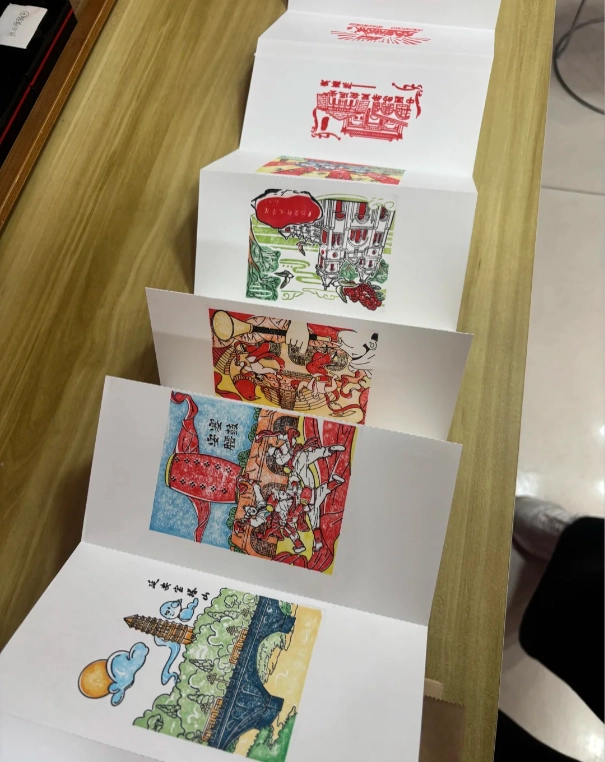
What You'll Find in This Guide
Shopping in the Shadow of History
Yan'an feels different from other Chinese tourist cities. The commercial vibe is quieter, more earnest. The shopping options around Baota Mountain reflect its identity as a "red tourism" destination. You won't find endless rows of identical shops. Instead, you'll find small clusters selling a mix of revolutionary memorabilia, local agricultural products, and folk crafts. The shopkeepers here are often locals who have lived in the area for decades. I chatted with one near the pagoda's entrance who remembered when foreign visitors were a rare sight. His pride in the area was palpable, not just a sales pitch.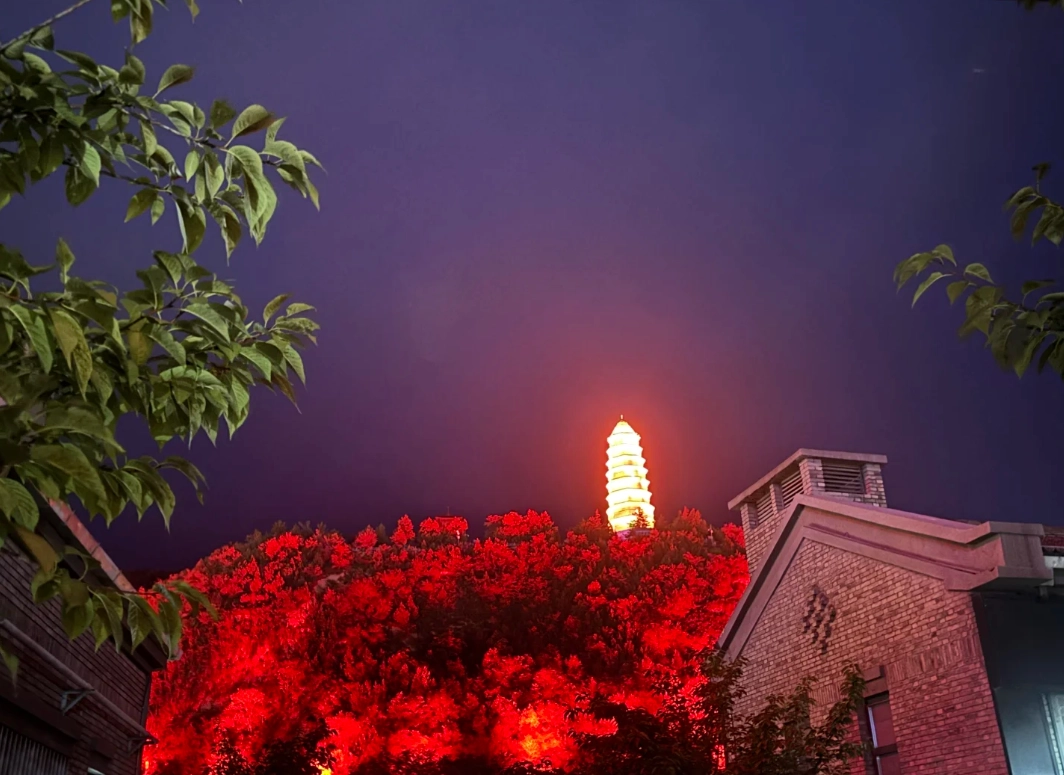
Where to Shop: Markets & Streets Around Baota Mountain
Your shopping will revolve around two main areas: the official square at the mountain's base and a more local market street a short walk away.
The Baota Mountain Square & Entrance Area
This is the most obvious spot. Directly in front of the main entrance and ticket office, you'll see a paved square with a dozen or so small shops and kiosks. It's convenient, but it's also the most tourist-facing.
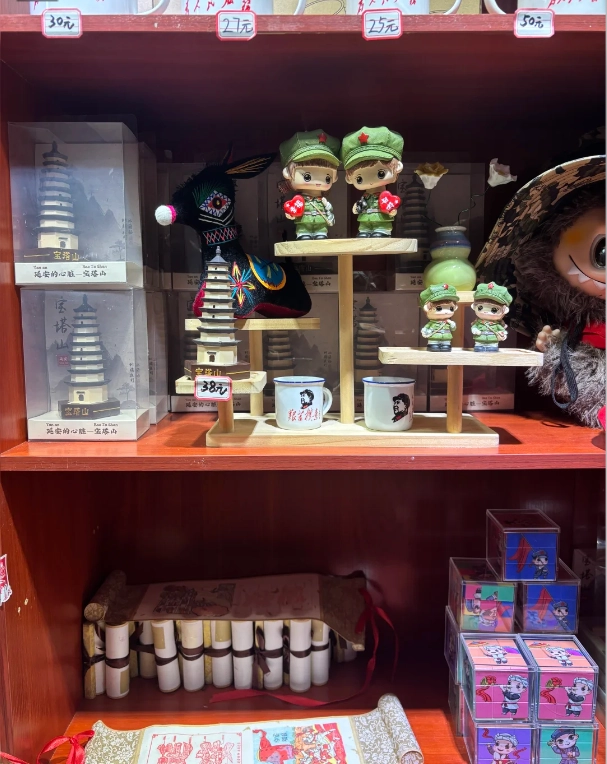
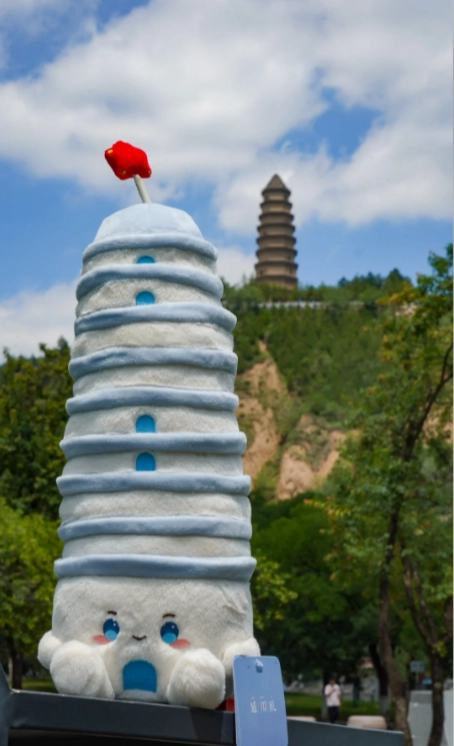
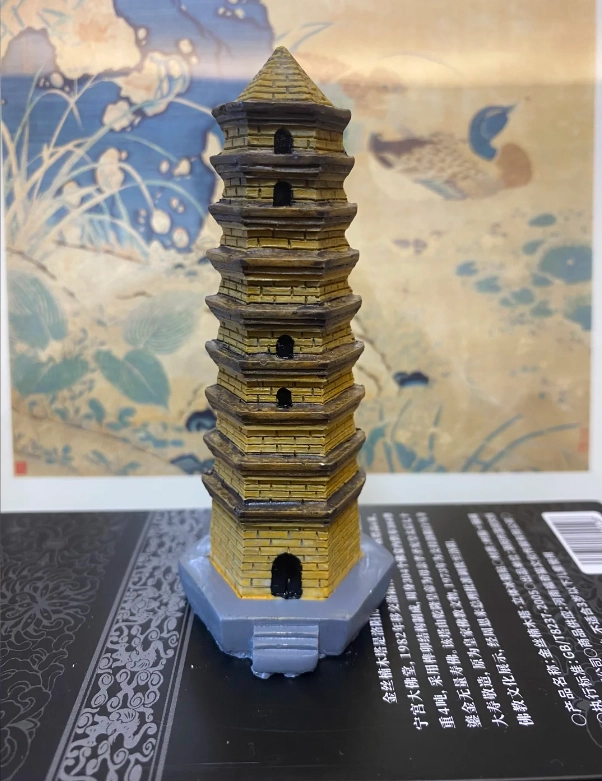
- What they sell: A concentrated mix of red star caps, Chairman Mao badges, miniature pagoda models, postcards, and some packaged snacks like Yan'an jujubes (red dates).
- Atmosphere: It can feel a bit static. The sellers sit and wait for you to approach.
- My tip: Use this area for reconnaissance, not for your main purchases. Note the prices here to benchmark later. The quality of the revolutionary souvenirs is fairly consistent, but the prices aren't.
The "Back Street" Local Market (Near Yan'an Revolutionary Memorial Hall)
For a more authentic feel, walk about 10-15 minutes towards the Yan'an Revolutionary Memorial Hall. The streets leading there, especially along Zaoyuan Road, have a livelier local commerce. I stumbled upon a small, open-air produce and goods market here that felt entirely geared towards residents.
- What they sell: Fresh local apples (Yan'an is famous for them), bags of millet and beans, dried persimmons, pickled vegetables, and practical household items. You'll also find a few shops mixing these with tourist-friendly packaged versions.
- Best time to go: Late morning or early afternoon. This isn't a night market. It winds down by dusk.
- The real advantage: Prices for food items are noticeably lower, and the atmosphere is genuine. Buying apples here felt like participating in local life, not just a transaction.
What to Buy: A Curated List of Yan'an Souvenirs
Forget generic keychains. These are the items that actually carry a piece of Yan'an's story.
| Item Category | What It Is & Why Buy It | Where to Find It & Price Range (RMB) | My Personal Buying Notes |
|---|---|---|---|
| Red Culture Souvenirs | Badges, pins, replica red star caps, small revolutionary books. These are the iconic mementos of Yan'an's history. | All shops at Baota Square. Also in shops near other revolutionary sites. Badges: 10-25 RMB. Caps: 20-50 RMB. | Check the pin clasp on badges. The flimsy ones break. The older-style metal caps feel more authentic than the cheap cloth ones. Don't expect antique originals—these are all new reproductions. |
| Yan'an Jujubes (Red Dates) | Plump, sweet dried dates. A classic Shaanxi snack, symbolizing good health. Sold vacuum-packed. | Everywhere. The Back Street market has better value. 15-30 RMB per medium bag. | Feel the bag. The dates should be separate, not stuck together in a hard clump (sign of old stock or poor drying). Opt for packages with simpler local branding. |
| Yan'an Apple Products | Fresh apples (in season), dried apple slices, apple juice. Yan'an's climate produces crisp, sweet apples. | Best selection at the Back Street market. Fresh apples: 5-12 RMB/kg. Dried slices: 20-35 RMB/bag. | If buying fresh, ask to taste one ("chang yi chang"). It's common. For dried slices, avoid those with added bright color or excessive sugar coating. |
| Folk Paper-Cuttings (Jianzhi) | Intricate red paper art, often with revolutionary or rural themes (the pagoda, peasants working). A true Shaanxi craft. | Less common. Look in slightly more curated shops near the memorial hall. 20-80 RMB depending on size/complexity. | This is where quality varies wildly. Hold it up to the light. Hand-cut pieces have slight imperfections and feel delicate. Laser-cut versions are perfectly uniform and stiff. The handmade ones are worth the extra yuan. |
| Millet & Coarse Grains | Packaged yellow millet, mixed beans. The staple foods of the revolutionary era, still a local pride. | Back Street market or smaller grocery stores. 8-15 RMB for a 1kg bag. | A unique, practical gift if you have kitchen-inclined friends. It's heavy, so consider your luggage. The packaging is usually very basic. |
I bought a paper-cutting of the Baota Pagoda from a quiet shopkeeper near the memorial hall. She was the one who pointed out the tiny, uneven cuts proving it was done by hand with scissors, not a machine. That conversation added more value than the item itself.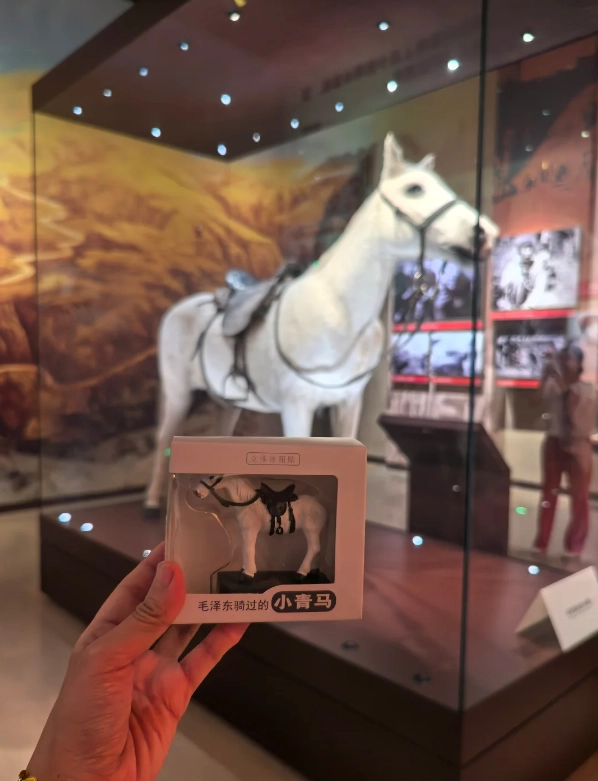
How to Bargain (or Not) in Yan'an Markets
The bargaining culture here is muted compared to Xi'an. It exists, but it's low-stakes.
For packaged food items (jujubes, dried apples): Prices are mostly fixed, especially in the square shops. You might ask for a small discount if buying multiple bags. "Duo mai ji bao, neng pianyi dian ma?" (Can it be cheaper if I buy a few more bags?). A 5-10 RMB reduction on a 50 RMB purchase is possible.
For souvenirs (badges, caps, models): This is where you can try. Start by offering 60-70% of the asking price. Expect to settle around 80-85%. If the seller immediately agrees to your first low offer, you probably still paid too much. It's a gentle dance.
When NOT to bargain: With fresh produce by weight in the local market. The price is likely already fair. Also, with very low-priced items (under 10 RMB). It just feels unnecessary.
My rule? If the seller is an elderly local running a tiny stall, I'm less inclined to push hard. The few yuan saved means less to me than to them. In the square shops, I bargain more readily.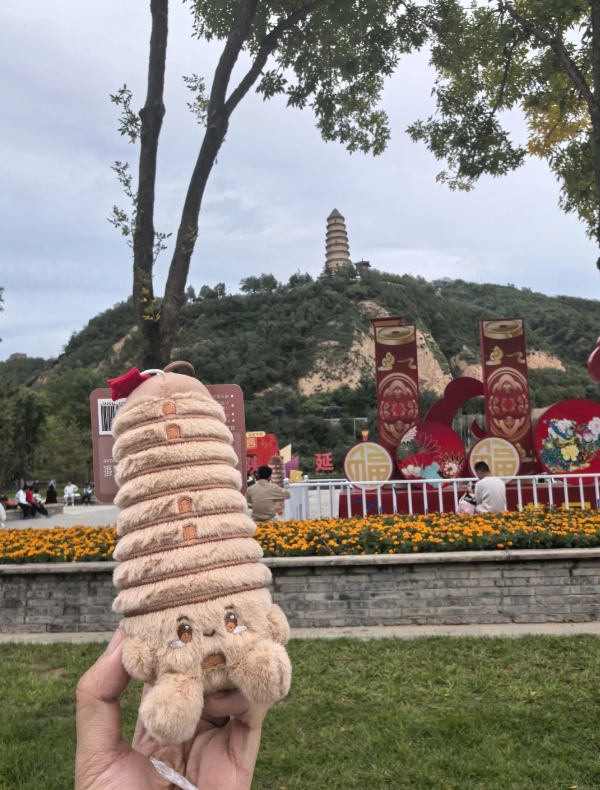
Navigating Payments & Communication
This is critical for a smooth experience.
- Cash (RMB) is King, but Mobile Pays Everything: While Alipay and WeChat Pay are ubiquitous, having some small bills (5, 10, 20 RMB) is wise for tiny purchases from older vendors or street stalls. For the official shops, mobile payment is no problem.
- International Credit Cards: Assume they are not accepted. I did not see a single UnionPay/ Visa/Mastercard logo in any small shop around Baota Mountain. Rely entirely on cash or your mobile wallet set up with a Chinese bank card or a service like Trip.com's TourCard.
- English Proficiency: Very basic at best. Sellers in the square might know numbers and simple words like "date," "apple," "cap." In the local market, it's near zero. Have your phone translation app ready. Pointing and smiling works wonders.
- Receipts: Don't expect formal receipts for small purchases. For higher-priced items (like a nice paper-cutting), you can ask for a "fapiao", but they may not have one.
Your Practical Shopping Questions Answered
Is it safe to use Alipay or WeChat Pay around Baota Mountain?
How much should I expect to pay for a decent souvenir?
 What's the one thing I should avoid buying?
Can I ship my purchases home from Yan'an?
When is the best time of day for shopping?
Shopping at Baota Mountain won't be the highlight of your Yan'an trip, but done right, it becomes a thoughtful footnote. It connects you to the local land through its food and to its modern identity through its revolutionary symbols. Go with an eye for simplicity, carry some small bills, and don't be afraid to wander a block or two away from the main tourist square. The most authentic finds and interactions are often just there, waiting.
This guide is based on personal, on-the-ground experience and observations to provide accurate, actionable information.






If you're a sucker for edible souvenirs like me, you'll be in heaven here! I loaded up on Yan'an's famous soft‑textured red dates, vacuum‑packed goat cheese (strange but addictive), and a jar of local honey that tastes like wildflowers. The lady selling the honey even wrote the beekeeper's name on the label for me. Prices were very fair — the dates were 20 yuan per kilo, which is a steal compared to what you'd pay back home. Also snagged a cute little copper bell for my backpack from a craftsman who was actually engraving on the spot. Perfect place to spend an hour or two.
I cannot recommend this shopping area enough for anyone visiting Yan'an! The entire stretch from the foot of Baota Mountain up to the mid‑level platform is filled with welcoming vendors who love to chat about their products. I bought a beautiful hand‑painted silk fan for 60 yuan and a bundle of locally roasted sunflower seeds that made the perfect hiking snack. The highlight was a small family‑run stall selling homemade millet wine — the owner let me taste three different vintages and gave me a discount for buying two bottles. Every purchase felt personal and meaningful. Five stars all the way!
Honestly, I expected more from the shopping scene here. The market area near the ticket gate felt cramped and a bit pushy — several vendors kept calling out to me even after I politely declined. The quality of the “local crafts” seemed mass‑produced; I saw the same wooden combs and painted fans at three different stalls. I bought a bag of pinenuts that turned out to be stale. On the plus side, the view of the pagoda from the shopping street is lovely, and the red dates (hongzao) from one stand were fresh. For a 3‑star experience, it's okay if you just need a quick souvenir, but don't expect anything unique.
A good place to pick up some Yan'an specialties, though I wasn't blown away. The souvenir shops at the base of the pagoda have a decent range of Mao badges, red army caps, and local snacks like date paste cakes. Prices were reasonable — about 15-20 yuan for small trinkets. What held me back from a 5 was the limited variety in crafts; after the third stall selling the same keychains, it got a bit repetitive. Still, the vendors were friendly and let me sample the dried persimmons before buying. A solid stop if you're already visiting the pagoda.
Absolutely loved the shopping experience at Baota Mountain! The little stalls tucked along the walking paths have an amazing selection of locally made crafts — I picked up a hand-embroidered pouch and a miniature clay figurine of the pagoda. The vendor even showed me how they dye the fabric with local plants. The dried jujubes (sold by a sweet old lady near the exit) are the best I've ever tasted, sweet and chewy. If you're looking for authentic souvenirs that actually support local artisans, this is the spot. 10/10 recommend going early to avoid the crowds.
Decent enough for a quick souvenir run. The selection of dried dates and walnuts was good, and prices were lower than in the city center. I liked the little bags of roasted sunflower seeds — great snack for the hike. Service was friendly but a bit slow. Not mind-blowing, but I left with a full bag and a smile.
What a gem! I stumbled upon a tiny workshop behind the mountain selling hand-carved wooden stamps. The craftsman let me try carving a simple character. Also tried the local millet wine — strong but smooth. Everything felt personal and authentic. Perfect place to soak in Yan'an's culture beyond the tourist traps.
Honestly, I was a bit let down. The main shopping street was crowded and noisy, and many items felt mass-produced rather than local crafts. I haggled for a woven basket but later saw the same thing at a cheaper stall. The food was okay — the fried dough sticks were stale. Worth a quick walk but don't expect hidden gems.
If you're into revolutionary memorabilia, this is the spot. I picked up a replica Red Army badge and a set of Chairman Mao pins, all stamped with 'Made in Yan'an'. The food stalls nearby sell fantastic jujube cakes — warm, sweet, and crumbly. Only downside: some vendors were pushy, but overall a solid experience.
I spent a lovely afternoon exploring the shops near Baota Mountain. The local handicrafts, especially the paper-cuttings and clay figurines, were beautifully made and felt authentic. Bought a hand-painted fan as a gift — the shopkeeper even showed me how it was made. Prices were reasonable, and the vibe was relaxed. Highly recommend for unique souvenirs!
Best souvenir shopping I’ve done in Shaanxi! Grabbed a bag of organic millet from a farmer’s booth and a beautifully woven wool scarf from an elderly artisan. The whole area smells of roasting chestnuts and fresh herbs. Everyone was warm and patient with my bad Chinese. Can’t recommend this enough.
The handmade embroidery pieces are gorgeous—intricate patterns of pagodas and local flowers. I snagged a table runner for a great price after a bit of friendly haggling. Only downside: the selection of high-quality crafts was limited to a few stalls. Still, if you love textiles, this is a gem.
Honestly, the souvenir stalls felt a bit hit-or-miss. I bought a small clay figurine that looked cute until I noticed a crack near the base after I got back to the hotel. The vendor was nice but didn’t have any receipt or return policy. Would recommend checking items carefully before paying.
Came for the snacks and wasn’t disappointed. The grilled lamb skewers near the entrance were smoky and tender, and the youtiao (fried dough) from a cart was perfectly crispy. Prices are a bit steep compared to the city center, but hey, you’re at a scenic spot. Grab a cold bottle of local yogurt to cool down.
Loved the vibe around Baota Mountain! The little market at the base had so many unique souvenirs. I picked up some hand-cut paper art and a bag of local red dates—the stall owner even gave me a taste of dried persimmons. Felt authentic and not too touristy. Definitely worth the stop after the hike up.