 Peng Gao
I stood in the main hall of the Shaanxi History Museum, feeling a bit overwhelmed. The scale hits you first. Then you notice the crowd – a mix of international tourists and local school groups all vying for a view of a small, unassuming-looking bronze vessel. That vessel, I later learned, was a Western Zhou dynasty ritual food container, and it set the tone for everything here. This isn't just a museum; it's the curated highlight reel of ancient Chinese civilization, with Xi'an as its stage. If you're coming to Xi'an, this place is non-negotiable. But walking in cold is a mistake. I've done it, and I've seen others make it. This guide is what I wish I'd known before my first visit, packed with the nitty-gritty details that turn a chaotic trip into a profound experience.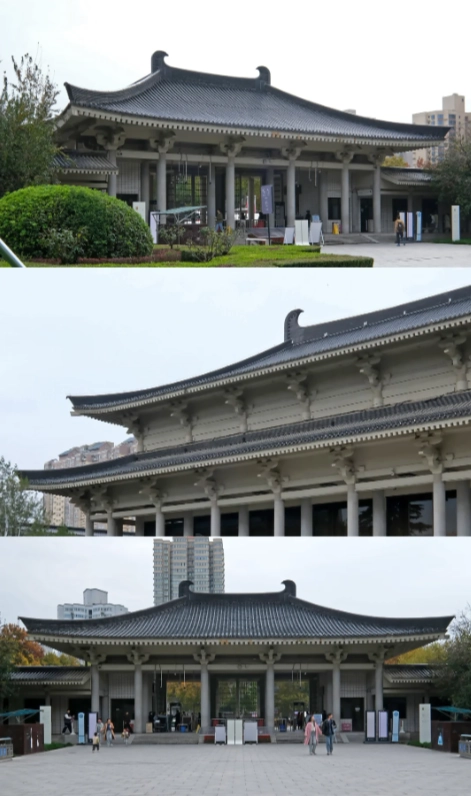
What's Inside This Guide
Why the Shaanxi History Museum is a Xi'an Must-See
Let's be clear. You can see the Terracotta Army out at the pits. You can walk the City Walls. But to understand the context behind those wonders – the people who built them, the empires they served – you need this museum. Shaanxi province, and specifically the area around Xi'an (ancient Chang'an), was the political heart of China for over a thousand years, spanning 13 dynasties including the powerful Zhou, Qin, Han, and Tang.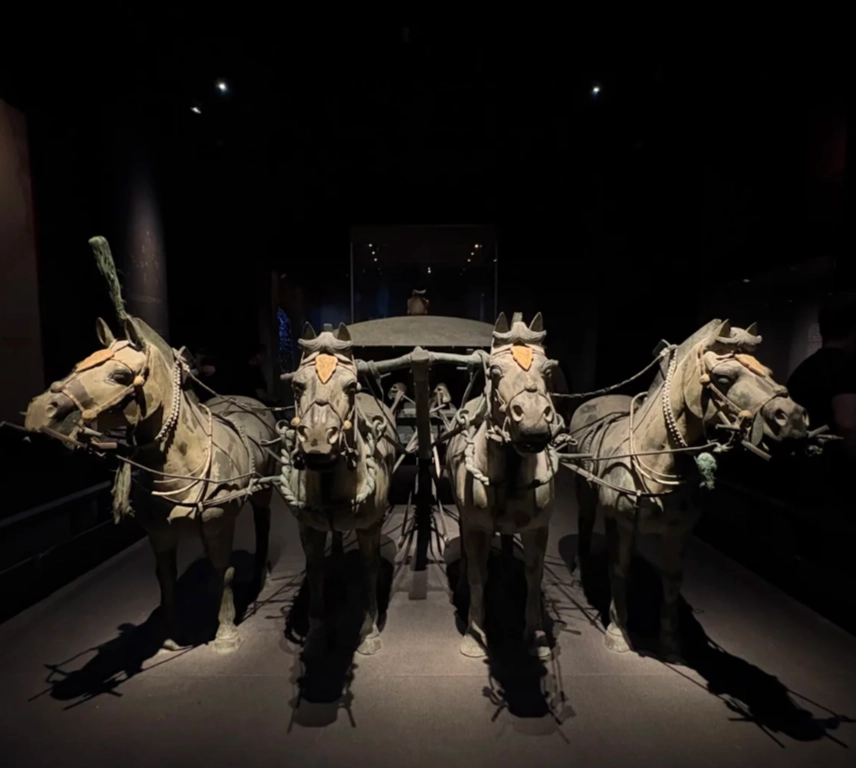
The museum's architecture itself is a statement. Designed by the renowned architect Zhang Jinqiu, its massive Tang-dynasty-style pavilons and central courtyard are a modern homage to the past. It tells you the collection inside is monumental.
Here's the real kicker, something most generic guides don't emphasize enough: This is your best chance to see authentic Terracotta Army figures up close, in air-conditioned comfort, without the hour-long bus ride and the massive crowds at the actual mausoleum site. The museum houses a selection of the most iconic warriors, chariots, and weapons. The lighting is better, you can get closer, and you can actually spend time studying the details. For time-pressed travelers or those who find the main site overwhelming, this is a game-changer.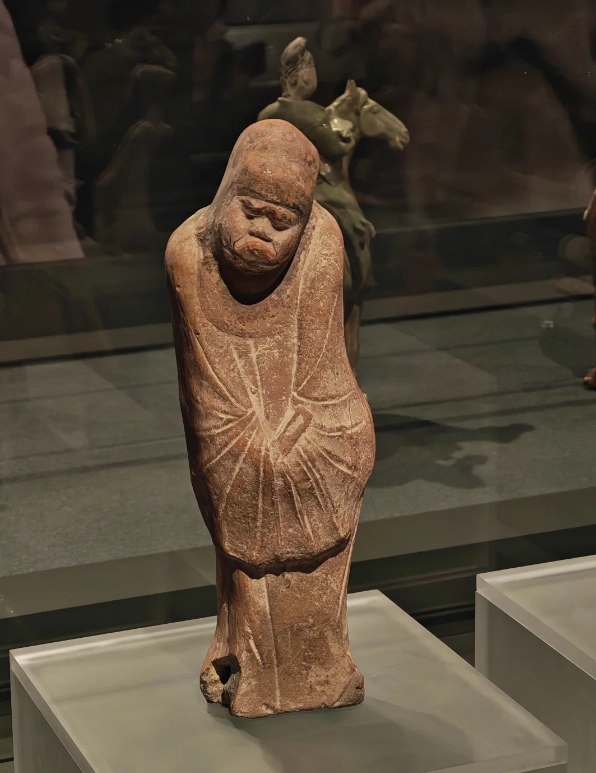
The Bottom Line Up Front
The Shaanxi History Museum distills the essence of ancient China into one manageable location. It's where artifacts from the Silk Road, gold from the Tang palaces, and the faces of the Terracotta Army come together. Skipping it means you've only seen the stage sets without meeting the actors.
Planning Your Visit: Tickets, Hours & Getting There
This is where most first-timers stumble. The ticket system is not intuitive.
The Ticket Situation: Free vs. Paid
There are two main types of entry:
- Basic Entry Ticket (Free): This grants access to the first, second, and third permanent exhibition halls. It's sufficient for most people. But you must book it in advance online. Walk-ups are almost never available. The official booking channel is on WeChat, which can be a hurdle for international tourists.
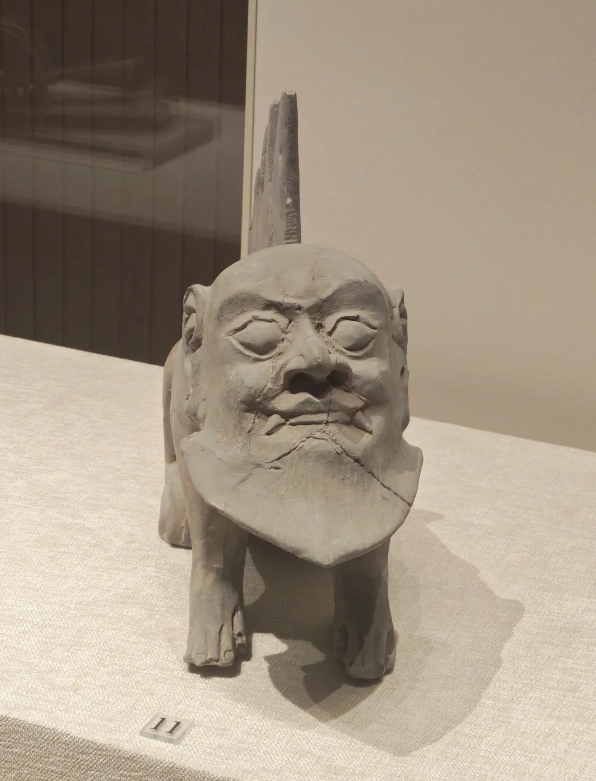
- Treasure Hall Ticket (Paid): This is the Tang Dynasty Murals and Relics Hall (often called the "Treasure Hall"). It costs extra (around 270-300 RMB) and includes an audio guide. This hall contains some of the museum's most exquisite and fragile items, including original tomb murals that are breathtaking. I'll help you decide if it's worth it for you later.
My personal struggle on visit one? I didn't know about the online booking. I showed up, saw the massive line at the ticket booth for the paid exhibitions, and almost left. Don't be me.
| Detail | Information |
|---|---|
| Address | 91 Xiaozhai East Road, Yanta District, Xi'an, Shaanxi Province. |
| Opening Hours | Closed on Mondays. Tuesday-Sunday: 9:00 AM - 5:30 PM (Last entry at 4:00 PM). Hours may shorten in winter. |
| Best Time to Visit | Weekday afternoons after 2 PM. Mornings and weekends are packed with tour groups. |
| How to Get There | Metro: Take Line 2 or Line 3 to Xiaozhai Station, Exit D. Walk north for 7-10 minutes. Taxi: Say "Shaanxi Lishi Bowuguan". |
| Ticket Booking | Free tickets MUST be reserved online in advance via the official WeChat account. Paid "Treasure Hall" tickets are easier to get on-site but can sell out. |
| Time Needed | A brisk walk-through: 2 hours. A thorough visit: 4-5 hours. With the Treasure Hall: Add 1.5 hours. |
Getting Your Tickets as a Foreign Tourist
The online system is in Chinese. Your options are:
- Ask your hotel concierge to help book the free tickets a few days in advance. This is the most reliable method.
- Use a travel agency or platform like Trip.com which sometimes bundles museum entry with a guide.
- If you can't secure a free ticket, purchase the paid "Treasure Hall" ticket at the museum. This automatically grants you entry to the basic halls as well. It's more expensive but guarantees entry and gives you access to the top-tier artifacts.
Navigating the Treasure Trove: A Walkthrough of the Core Exhibitions
The permanent exhibitions are arranged chronologically over three main halls. This flow is logical but can feel like drinking from a firehose. Here’s how to focus your energy.
Exhibition Hall No. 1: Prehistory to the Han Dynasty
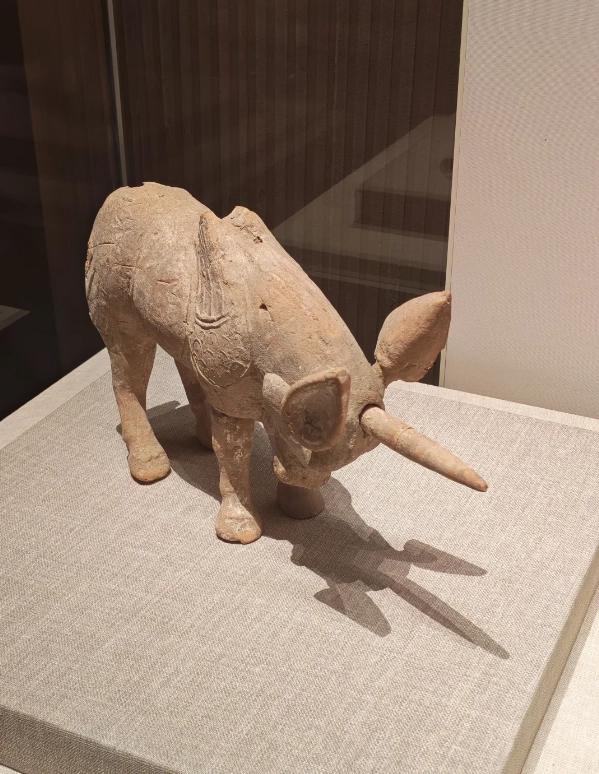
This hall covers the foundations. Don't rush through the early Neolithic pottery. Look for the human-faced fish纹盆 – a clay basin with a bizarre, almost cartoonish human face and fish body design. It’s strangely captivating. The real stars here are the Western Zhou bronzes. The intricate designs of ritual vessels like the ding (cauldron) and zun (wine vessel) are not just art; they're symbols of power and state religion. The inscriptions on some are the earliest historical records.
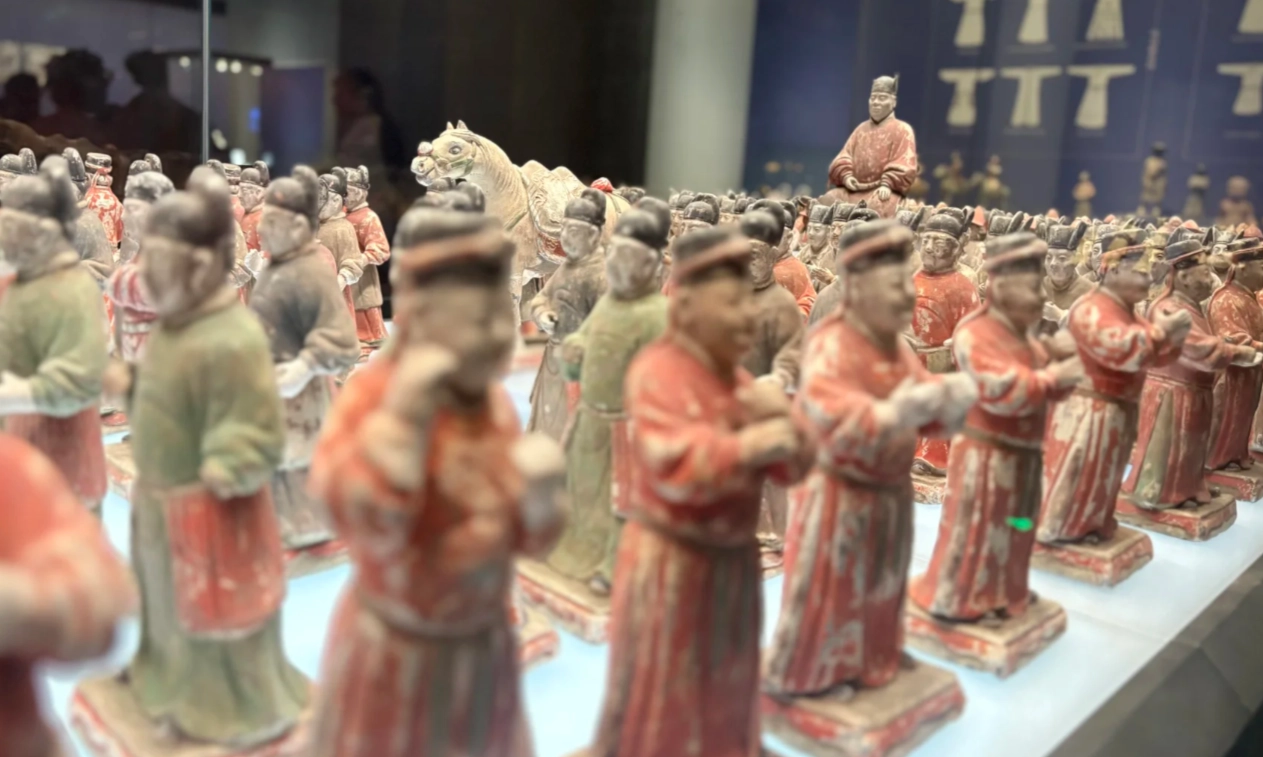
Then you hit the Qin dynasty section. And there they are. Several Terracotta Warriors and a horse, displayed with their original bronze weapons. The level of detail is insane – the individual strands of hair, the patterns on the armor, the slight variations in each face. You can see the traces of original paint. This is where you'll likely spend the most time, and rightly so.
Exhibition Hall No. 2: The Golden Age of the Han and Tang Dynasties
This hall feels richer, literally. The Han dynasty brings elegant jade burial suits and charming pottery models of houses and farms. But the Tang dynasty (618-907 AD) section is the showstopper. Chang'an was the world's largest city, a cosmopolitan hub of the Silk Road.
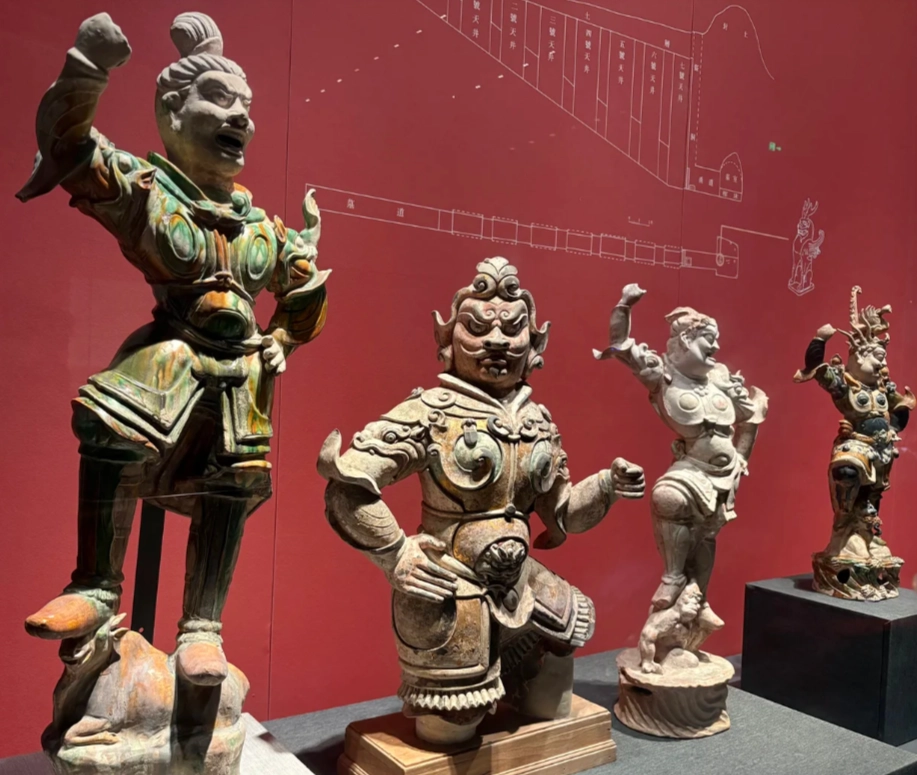
Look for the tri-colored glazed pottery (sancai) – camels, horses, and court ladies with vibrant, flowing glazes. The camel carrying a band of Central Asian musicians is a masterpiece, perfectly capturing the cultural exchange of the era. You'll also find stunning gold and silverware, influenced by Persian and Sogdian styles. A personal favorite is a tiny gold cup adorned with delicate beast heads – the craftsmanship is mind-boggling.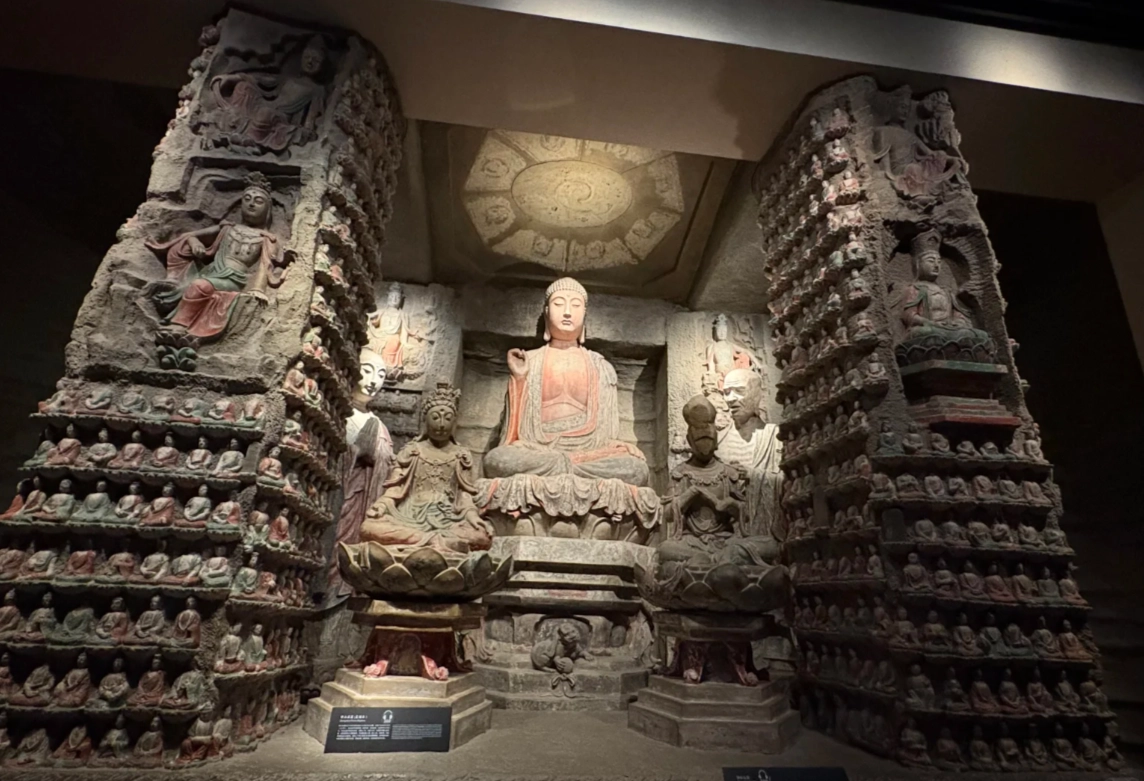
Exhibition Hall No. 3: Tang to the Qing Dynasty & The Special Exhibition Hall
The historical narrative continues, but the energy here is often lower as visitors tire. However, this hall often houses special themed exhibitions that can be fantastic. On my last visit, there was a stunning exhibit on ancient Chinese goldsmithing techniques. Always check what's on display here.
Hidden Gems and Expert Strategies Most Visitors Miss
Everyone sees the warriors. The savvy visitor sees more.
Strategies for a Better Visit
- Start in Reverse: If you arrive when the museum opens, everyone floods into Hall 1. Consider starting in Hall 2 or 3 to have some quiet moments with the Tang treasures before circling back to the warriors.
- Hire a Guide (Selectively): The museum's official audio guides are just okay. The real value is a human guide who can point out details. I hired one for two hours just for the Qin and Han sections. She showed me how to identify the rank of a warrior by his hairstyle and armor – something I'd never have noticed. Book one in advance through a reputable tour company.
- The Overlooked Courtyard: Between the main halls, there are quiet courtyards with stone steles and sculptures. They're perfect for a five-minute break to process what you've seen.
- Don't Try to See Everything: It's impossible. Pick two or three themes (e.g., "bronze casting," "Silk Road exchange," "daily life in the Tang") and seek out artifacts related to those. Quality over quantity.
Your Top Museum Questions, Answered
 Can I see real
 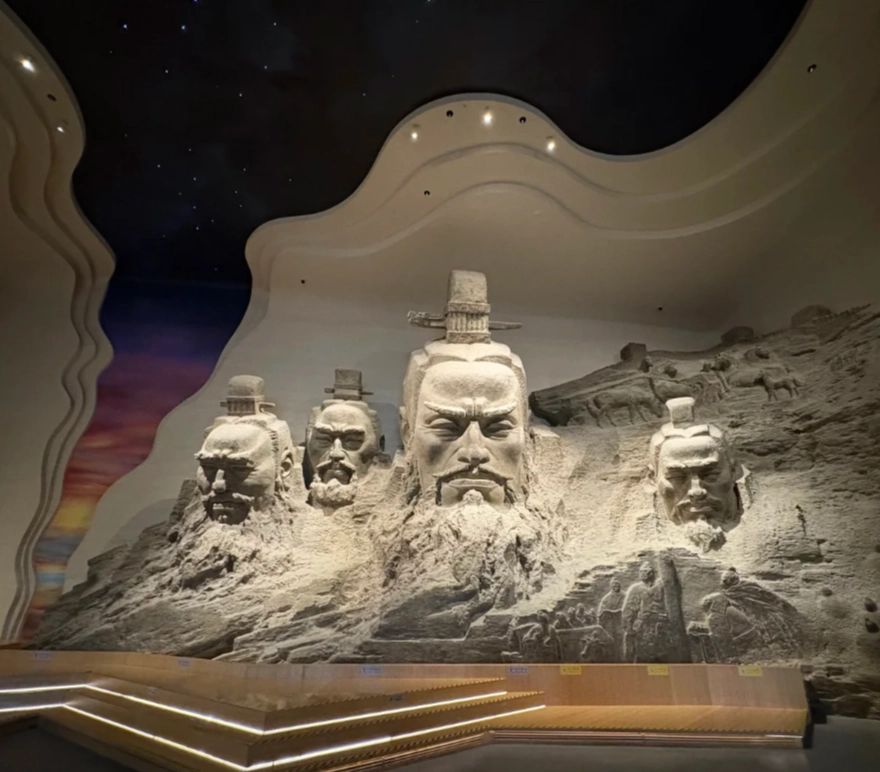 The Shaanxi History Museum isn't just a checklist item. It's the key that unlocks the story of Xi'an. With a bit of planning – securing that ticket, choosing your focus, maybe investing in a guide – you move from being a spectator to an engaged traveler. You leave not just with photos of old objects, but with a tangible sense of the dynastic pulse that once beat here. That's the real treasure.
This guide is based on multiple personal visits and cross-referenced with official museum information.






Honestly, I was a bit disappointed. The museum is free, which is great, but the crowds made it impossible to see anything properly. People were pushing and taking selfies right in front of the exhibits. On top of that, several display labels were peeling off or only in Chinese. I really wanted to love it, but the experience was too chaotic for me. Maybe go on a weekday early morning?
A very good museum with an impressive collection, but I found the sheer number of items a bit overwhelming. The display cases are packed, and after a while everything started to blur together. A bit more breathing room or thematic curation would help. Also, the air conditioning struggled on a hot day – it got stuffy inside. Still worth visiting, just manage your expectations.
Hands down the best museum I visited in China. The highlight for me was the miniature terracotta warriors and the exquisite Tang dynasty mural replicas. The free audio guide (just scan the QR code) was really helpful. Even on a weekday, it was busy, but the crowd moved well. Five stars – I’d go again tomorrow if I could.
What a fantastic museum! The layout is logical and the English descriptions are surprisingly clear. I especially loved the section on the Zhou dynasty bronzes – the craftsmanship is incredible. The only downside was the cafeteria: overpriced and average food. But that's a minor quibble. Bring a bottle of water and give yourself at least three hours.
Absolutely blown away by the sheer scale and depth of the collection here. The pre‑dynastic pottery and the Tang dynasty gold artifacts are unforgettable. I spent over four hours and still felt like I barely scratched the surface. Definitely book your free slot online in advance – it saved me a huge queue. If you love Chinese history, this place is an absolute must.
Great collection overall, but a few things kept it from being perfect. The air conditioning was barely working on the day I visited (it was 35°C outside), making the upper floors stuffy and uncomfortable. Also, the bathroom situation is rough – only two stalls for the entire ground floor and no hand soap. That said, the exhibits themselves are top-notch, especially the bronze mirrors and the golden saddle from the Tang dynasty. Three hours is enough to see everything. Bring your own water and patience.
Hands down the best museum I visited during my two weeks in China. The jade burial suit from the Han dynasty left me speechless – the craftsmanship is unreal. I was lucky enough to join a guided tour led by a volunteer docent who was a retired archaeology professor. His stories brought every bronze and pottery piece to life. The whole experience felt like stepping into a time machine. Don't skip the souvenir shop; they sell excellent replica coins and mini figurines.
Honestly, I was a bit let down. I'd heard so much hype about this museum, but the reality didn't match. First, getting a ticket was a nightmare – you have to reserve a slot online weeks in advance, and even then I waited 45 minutes in line. Once inside, many artifact descriptions were only in Chinese, and the English translations were often too brief. Also, the 'Treasures of the Great Tang' exhibit was closed for renovation when I visited. For a free museum it's okay, but not worth the hassle in my opinion.
Really impressive museum with an incredible range of artifacts from ancient China. The terracotta figures and gold items from the Han dynasty were my favorites. My only gripe is that it gets extremely crowded by mid-morning, and the audio guide sometimes lags behind. The staff were friendly though, and the gift shop has some lovely replicas. Definitely worth a visit, just plan your timing carefully.
Absolutely blown away by the Shaanxi History Museum! The collection of Tang dynasty murals and Zhou dynasty bronze vessels is world-class. I spent nearly four hours here and still felt like I missed half the exhibits. The layout is logical and the lighting really makes the artifacts pop. If you're in Xi'an, this is a non-negotiable stop. Get there early to avoid the crowds – I went at 8:30 AM and had the first hall mostly to myself. 10/10 would recommend to any history lover.
Hands down one of the best museums I’ve ever photographed. Low-light friendly policies (no flash, but tripods allowed in certain areas) and the reddish pottery against dark backgrounds is a dream. I got a killer shot of the painted warriors. The only hiccup was the ticket queue—took 25 minutes, but once inside it was smooth sailing. Highly recommended!
Went here after reading the 'Essential Guide' blog post—honestly, I expected more. While the collection is impressive, the English descriptions are sparse and occasionally incorrect. Some display cases have terrible glare from the overhead lights, making photos impossible without a polarizer. If you’re a serious history buff, you’ll still enjoy it, but casual visitors might find it dry.
This museum is a treasure trove! I’m not usually into history, but the gold and silver artifacts from the Tang dynasty are stunning. The layout is logical and easy to follow, and the staff were helpful when I got lost looking for the restroom. Only downside: the gift shop is overpriced for what it is. Still, 4 stars—worth every yuan.
A solid experience overall, but I was a bit let down by the crowd levels. Even on a weekday morning, the main galleries were packed, making it hard to get a good look at the smaller items. The Tang dynasty pottery section was fantastic though—well lit and well explained. Just wish they’d limit entry numbers a bit more.
Absolutely loved my visit here! The Bronze Chariots and Horses exhibit left me speechless—the craftsmanship is unreal. I spent over 3 hours wandering the halls and still felt like I missed half of it. Pro tip: rent the audio guide; the stories behind each artifact add so much depth. Definitely a must-see in Xi’an.