 Jian Zhao
Stepping off the bus onto the dusty road leading to Dangjia Village, the first thing that strikes you isn't a grand gate or a ticket booth—it's the quiet. The hum of modern traffic fades, replaced by the sound of wind rustling through ancient scholar trees and the distant chatter of villagers. I came here skeptical, having seen one too many "ancient towns" turned into souvenir markets. But Dangjia Village is different. It's not a restoration or a replica; it's a living, breathing community where over 100 exquisite courtyard homes from the Ming and Qing dynasties are still inhabited, their stone pathways worn smooth by centuries of footsteps. This guide isn't just a list of facts; it's the result of me getting lost in its alleys, chatting with local homestay owners, and figuring out the nuances most travel blurbs miss.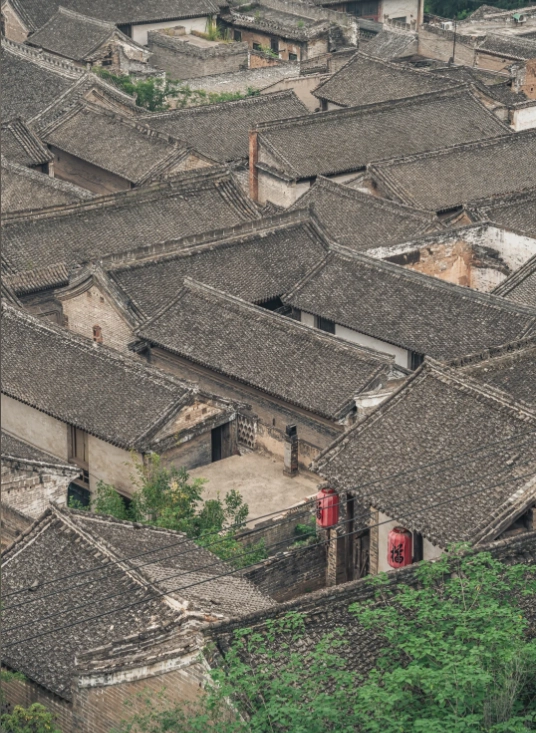
Quick Navigation: What's Inside This Guide
Why Dangjia Village is More Than Just Old Houses
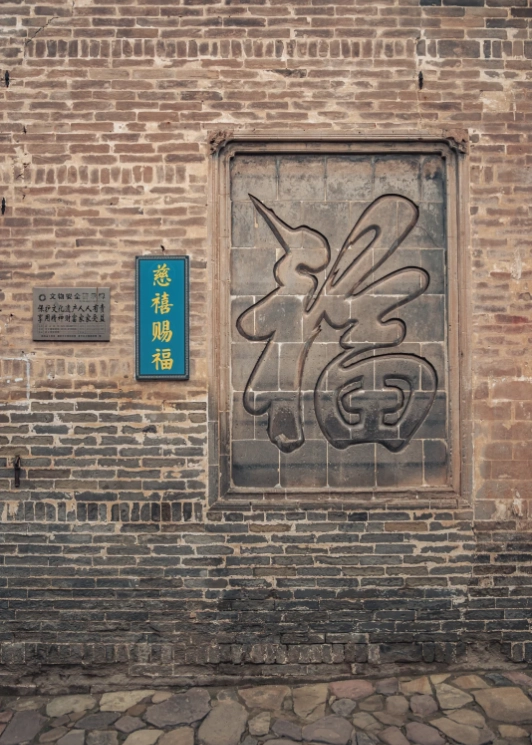
Most visitors know Dangjia Village for its architecture. But walking its lanes, I realized the real story is in the details. The village layout itself is a defense manual—narrow, winding alleys designed to confuse bandits, with high walls and interconnected courtyards allowing families to move unseen. The carvings aren't just decoration; they're a language. On one gate, I spent ten minutes deciphering the rebus symbols: a bat (fu) for good fortune, a deer (lu) for prosperity, and two monkeys sealing the wish for a high official rank. This is where Dangjia separates itself from static museums. An old woman might be winnowing grain in a courtyard that boasts a nationally protected stone screen. You're not observing history from a rope line; you're briefly sharing space with its ongoing story.
Dangjia Village at a Glance
Location: Hancheng City, Weinan, Shaanxi Province. It's about 2.5 hours by road from Xi'an.
Ticket Price: Approximately 50 CNY (around $7 USD). I found tickets sold at the main visitor center near the village entrance.
Opening Hours: Generally 8:30 AM to 6:00 PM. The village itself is always "open," but some specific courtyard museums may adhere to these hours.
Best Time to Visit: Spring (April-May) and Autumn (September-October). Summer can be hot, and while winter is starkly beautiful, some family-run homestays might have reduced services.
How to Get to Dangjia Village (The Practical Details)
This is where many guides are vague, and it's the biggest hurdle for independent travelers. Dangjia Village isn't served by a direct high-speed train. The most reliable method is the bus.
The Step-by-Step Bus Route from Xi'an
First, head to the Xi'an Chengdong Bus Station. Don't confuse it with the main railway station area. Buy a ticket to Hancheng City. The journey takes roughly 2.5 to 3 hours. Once you arrive at Hancheng's long-distance bus station, don't expect clear English signs. Look for local minibuses or taxis. I negotiated with a shared taxi (about 20-30 CNY per person) for the final 30-minute ride to the village itself. The driver dropped me off at the main parking area near the visitor center. A tip: buses back to Xi'an from Hancheng have a last departure around 5:30 PM. If you're not staying overnight, time your return meticulously.
Considering a Guided Tour or Private Driver
For a hassle-free day trip, many companies in Xi'an offer tours to Dangjia Village. They solve the transport puzzle but often rush you through in 2-3 hours, which I feel is insufficient. Hiring a private car for the day from Xi'an is more expensive (expect 800-1200 CNY) but offers flexibility. If you're in a small group, this can be cost-effective and lets you explore at your own pace.
The Top Things You Can't Miss in Dangjia Village
Forget trying to see every one of the 125 courtyards. Focus on quality over quantity. Here are the spots that left the deepest impression on me.
The Jia Family Compound (Jia Jia Da Yuan): This isn't a single house but a labyrinthine complex. I wandered through multiple connected courtyards, each with a distinct purpose—reception halls, ancestral worship rooms, private family quarters. The woodwork here is staggering. Look up at the eaves beams; the depth and intricacy of the carvings tell you this was a family of immense wealth and taste.
The Folk Customs Museum (Housed in a Former School): This courtyard provides crucial context. It displays farming tools, looms, and everyday objects that breathe life into the architecture. Seeing the actual spinning wheel next to a photo of a villager using it decades ago creates a powerful connection.
The Watchtower (Watching Platform): A short climb to the village's highest point. The view is the postcard moment. You see the perfect symmetry of grey-tiled roofs flowing down the hillside, a sea of orderly courtyards against the Loess Plateau backdrop. It's the best spot for photography, especially in the late afternoon light.
Simply Getting Lost in the Alleys: My most memorable find wasn't on any map. I turned down a narrow lane and found a craftsman quietly carving a new stone pillar beside a centuries-old one. We didn't share a language, but he smiled and showed me his tools. This uninterrupted cycle of preservation and daily life is Dangjia's magic.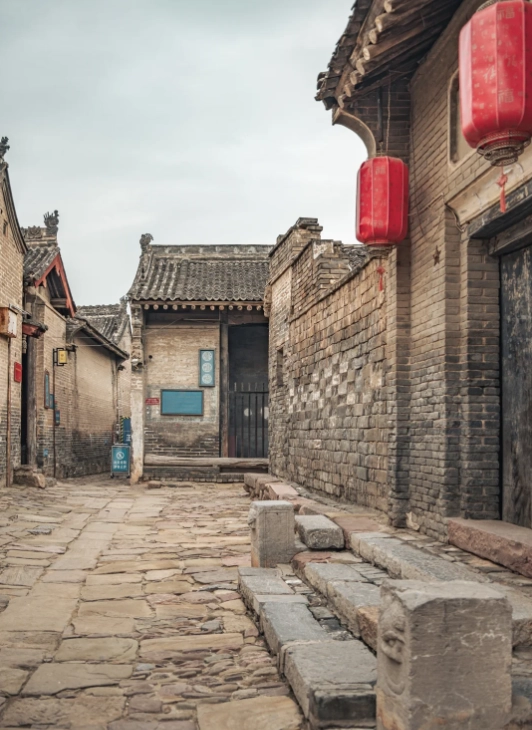
Staying and Eating in Dangjia Village: Local Immersion
To truly feel the village's rhythm, spend a night. The homestays are basic but clean, often run by families living in a section of their ancestral home.
| Homestay Name | Key Features & My Notes | Approximate Price (per night) |
|---|---|---|
| Ancient Elm Courtyard Inn | Centrally located. The courtyard has a magnificent old tree. Rooms are simple with shared bathrooms. The family serves hearty home-cooked dinners upon request. The walls are thick—incredibly quiet at night. | 120 - 200 CNY |
| Scholar Tree Homestay | Slightly further from the main tourist path. More privacy. The owner is a retired teacher who can share fascinating village stories if he's in the mood. Basic private bathrooms available. | 150 - 250 CNY |
Food is straightforward, northern Chinese rural cuisine. Don't expect fancy restaurants. Meals are typically provided by your homestay or at small family-run eateries near the village entrance. Think hand-pulled noodles, steamed buns, stir-fried local vegetables, and free-range eggs. It's simple, filling, and authentic. I had one of the best scrambled egg and tomato dishes of my life at a homestay's kitchen table.
Crafting Your Perfect Dangjia Village Itinerary
One-Day Trip from Xi'an (The Essentials)
7:00 AM: Depart Xi'an Chengdong Bus Station.
10:00 AM: Arrive Hancheng, transfer to Dangjia Village.
10:45 AM: Arrive, purchase ticket, start exploration. Focus on the Jia Family Compound and main alleys.
1:00 PM: Simple lunch at a village eatery.
2:00 PM: Visit the Folk Customs Museum and climb the Watchtower.
4:00 PM: Final stroll, maybe some relaxed souvenir shopping (think locally dried persimmons, not mass-produced trinkets).
4:30 PM: Depart for Hancheng bus station.
8:00 PM: Back in Xi'an. It's a long day, but doable.
Two-Day Immersion (The Recommended Way)
Day 1: Follow the one-day itinerary but at a leisurely pace. Check into your homestay in the late afternoon. Enjoy the sunset from the Watchtower when the day-trippers have left. Have a home-cooked dinner with your hosts.
Day 2: Wake up to the village coming to life—roosters, cooking fires. Explore the western sections of the village most visitors miss. Visit a working courtyard where artisans might be present. Have a late lunch before your return journey to Xi'an. This pace allows for serendipity.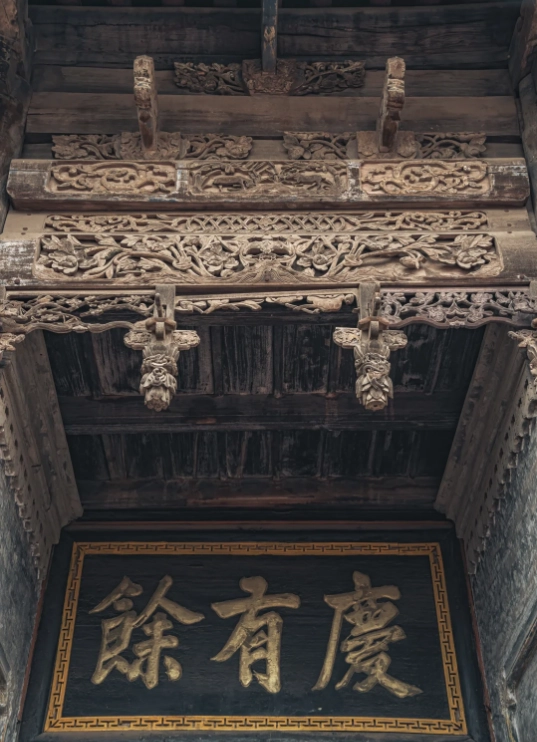
Your Dangjia Village Questions, Answered
Is Dangjia Village suitable for visitors with limited mobility?
What's the one thing most tourists get wrong when visiting Dangjia Village?
 Can I visit Dangjia Village independently without speaking Chinese?
How does Dangjia Village compare to more famous ancient villages like Pingyao?
Walking back to the bus from Dangjia Village, my shoes were dusty and my camera was full. But more than the photos, I carried the feeling of the place—the cool shade of a centuries-old courtyard, the taste of simple, honest food, and the quiet dignity of a home that has weathered dynasties. It's not the easiest place to reach, and it won't coddle you with luxury. That's precisely its point. It offers something rarer: authenticity.
This guide is based on my personal visit and cross-referenced with information from the Shaanxi Provincial Cultural Heritage Bureau to ensure accuracy.





Honestly, I was expecting more from this guide. It's only a few pages long and skips practical stuff like which local restaurants are good or how to find a guide inside the village. The descriptions are pretty basic too – I felt like I'd read the same info on Wikipedia for free. Not worth the money.
Solid overall guide – covers the history and main sights well. The only reason I'm giving 4 stars is that some info seemed a bit outdated: the ticket price mentioned was ¥30, but it's now ¥40, and the bus schedule was wrong by an hour. Easy fix if they update it. Still helpful once you adjust.
As a couple who loves photography, we were thrilled with the “golden hour” suggestions in this guide. It told us exactly which courtyards face east for morning light and where to stand for the best symmetrical shots. We came back with postcard-worthy pictures. A must-have for shutterbugs!
I usually don't bother with travel guides, but this one changed my mind. It has clear directions on how to get there by bus from Hancheng, plus tips on where to stay in a local courtyard guesthouse. Everything was accurate and made my solo trip super easy. Highly recommended!
This guide was a lifesaver during my trip to Dangjia Village! It pointed out details I would have totally missed, like the carved wooden beams in the ancestral hall and the hidden drainage system. The photos helped me navigate the narrow alleys. Absolutely worth downloading before you go.
Absolutely magical! The guide's suggestion to arrive early (before 9 a.m.) was golden—we had the entire village almost to ourselves. The morning mist rising over the grey-tiled roofs and the smell of woodsmoke from a breakfast fire gave me chills. Every courtyard has its own character; I could have spent hours just sitting in the one with the ancient persimmon tree. The little details—like the stone water troughs and brass door knockers—are beautifully captured in the guide's photos. This was the highlight of my China trip. Don't miss it!
Total letdown for the price. The entrance fee wasn't cheap, but the village felt half-restored and commercialized—lots of souvenir shops crammed into the courtyards. The travel guide mentioned 'peaceful authenticity,' but I couldn't find it with loudspeakers blaring pop music from a tea house. The ancient homes themselves are neat, but the whole experience felt more like a theme park than a historical site. Would not go again.
If you're into off-the-beaten-path cultural spots, this place delivers. The courtyard layout is genius—each home connected by hidden passages. I loved the little museum inside one of the old residences that showed how families lived here centuries ago. The guide's map was accurate, and the tips about local snacks (try the sesame cake at stall near the old well) were spot on. One thing: visiting in late autumn means fewer crowds but chilly winds, so bring a jacket.
Honestly, I was a bit underwhelmed. The village itself is pretty, but the travel guide we used (the one titled 'Dangjia Village Travel Guide') promised detailed insights about the courtyards. In reality, the descriptions felt rushed and skipped a lot of the historical context we were hoping for. We ended up relying on random locals to fill in the gaps. Also, the suggested walking route felt awkward—backtracked twice. Maybe it works better as a digital guide, but for us it was just okay.
Stumbled upon this gem during a road trip through Shaanxi. The ancient courtyard homes are incredibly well-preserved, and walking through the narrow alleys felt like stepping back in time. Our local guide, Mr. Chen, shared fascinating stories about the village's 700-year history. The stone carvings and wooden lattice windows are a photographer's dream. Only downside: some of the paths are a bit uneven, so wear sturdy shoes. Highly recommend for anyone interested in traditional Chinese architecture!
Great place overall, but I visited on a weekend and it was packed with tour groups. The narrow lanes felt cramped and it was hard to take photos without people in the frame. The architecture is fantastic though – the stone carvings and roof details are worth seeing. Just try to go on a weekday if you can. Had some decent noodles from a small shop near the entrance too.
What a gem! I loved chatting with an old craftsman who was carving wooden doors in one of the courtyards – he even showed me his tools and explained the techniques passed down through generations. The village feels alive, not like a museum. If you take your time to talk to locals, you'll discover stories that no signboard can tell. Absolutely magical experience that I'll never forget.
Honestly, I was a bit let down. The village itself is pretty, but it felt overly touristy with too many souvenir stalls and pushy vendors. The entry ticket seemed expensive for what you get, and a few of the courtyard homes were closed for 'restoration' without any notice. The self-guided tour map was hard to follow, and I ended up missing some key spots. Not terrible, but not worth the hype in my opinion.
Beautiful village with a lot of charm, though getting there was a bit tricky – the bus dropped us off about 20 minutes away and we had to walk on a dusty road. Once inside, the courtyards were stunning, but I noticed some areas could use better signage or maintenance. Still, the overall experience was wonderful and I'd recommend it to anyone willing to make the extra effort to reach it.
Absolutely fell in love with this place! The ancient courtyard homes are incredibly well-preserved, and you can really feel the history as you walk through the narrow alleys. I spent hours just admiring the intricate wood carvings and stone pathways. The guidebook recommendations were spot-on – especially the family-run tea house near the central square. A must-visit for anyone interested in traditional Chinese architecture!