 Jian Zhao
Let's be honest. When you picture Xi'an, you think of the Terracotta Army first. The Drum Tower? Maybe it's an afterthought, something you see from the square. I made that mistake too on my first trip, giving it a quick glance before heading into the Muslim Quarter. Big mistake. On a later visit, I actually went up. The view from the top, the quiet hum of history inside, and the way it perfectly frames the rhythm of the old city—it changed my perspective completely. This isn't just a photo stop. It's the heartbeat of ancient Xi'an, and visiting it properly can anchor your entire understanding of the city.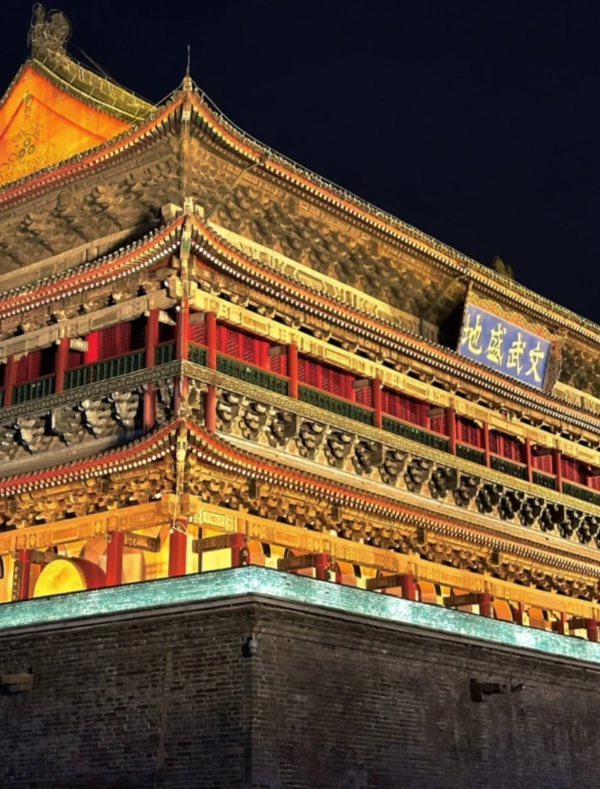
What You'll Find in This Guide
Planning Your Visit: Tickets, Hours & Beating the Crowds
First things first, the logistics. The Drum Tower is surprisingly accessible, but timing is everything if you hate shuffling through packed spaces with a hundred other tourists.
Xi'an Drum Tower Essential Info
Address: West Street, Beilin District, Xi'an, Shaanxi. It sits smack in the center of the walled city.
Opening Hours: 8:30 AM – 9:30 PM (April – October), 8:30 AM – 6:00 PM (November – March). Last entry is usually 30 minutes before closing.
Ticket Price: 30 RMB for the Drum Tower alone. A combined ticket for both the Bell Tower and Drum Tower is 50 RMB. You can buy these on-site at the ticket windows.
Drum Performance Times: This is key. They happen at set intervals throughout the day. The schedule is typically: 9:30, 10:15, 11:00, 11:45, 14:00, 14:45, 15:30, 16:20, 17:00, but always double-check the board at the entrance. Plan to arrive 10 minutes before a performance to get a decent spot.
Here's the insider tip most blogs don't stress enough: the crowd pattern. The square between the Bell and Drum Towers is a major tour bus drop-off point. From about 10 AM to 4 PM, it's a sea of flag-following groups. My strategy? Go early (right at 8:30 AM) or late (after 5 PM, especially in summer when it's open late). The light for photography is also dramatically better during these times—golden hour over the grey-tiled roofs of the Muslim Quarter is unforgettable.
I once went at 2 PM on a Tuesday, thinking it would be quiet. Wrong. I spent more time navigating elbows than looking at exhibits. Lesson learned.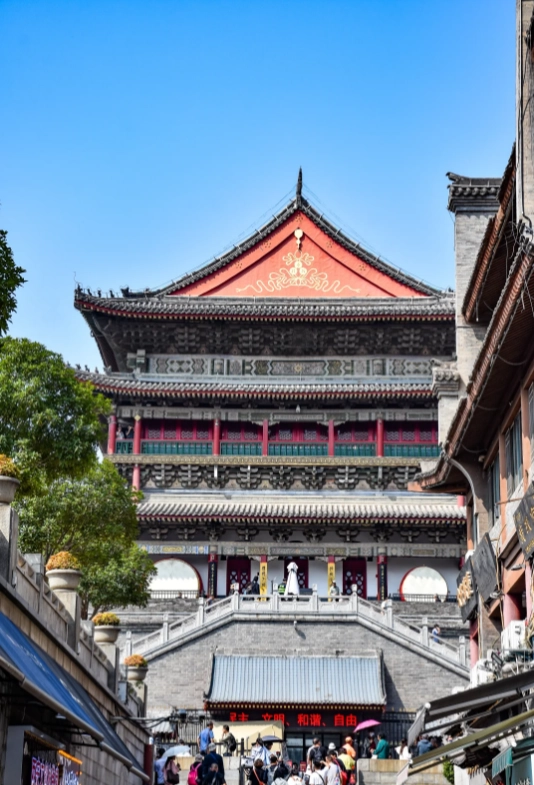
How to Get to the Drum Tower?
Xi'an's metro is your best friend. It's cheap, fast, and drops you almost at the doorstep.
By Metro: Take Line 2 (the red line) to Zhonglou Station (钟楼站). This station's underground exit maze is famous. Follow the signs for "Exit C." This is the most direct route that surfaces you right in the middle of the Bell and Drum Towers Square. If you see signs for the Bell Tower first, don't worry—you'll see the Drum Tower immediately to the northwest across the square.
By Taxi or Ride-Hail: You can say "Zhonglou" (Bell Tower) to any driver. They'll know. Traffic around here can be heavy, especially on weekends, so metro is often faster.
On Foot from the City Wall: If you're walking the southern section of the City Wall, the closest gate is Yongning Gate (South Gate). It's a pleasant 15-20 minute walk north along the central avenue to the square.
What's Inside the Drum Tower?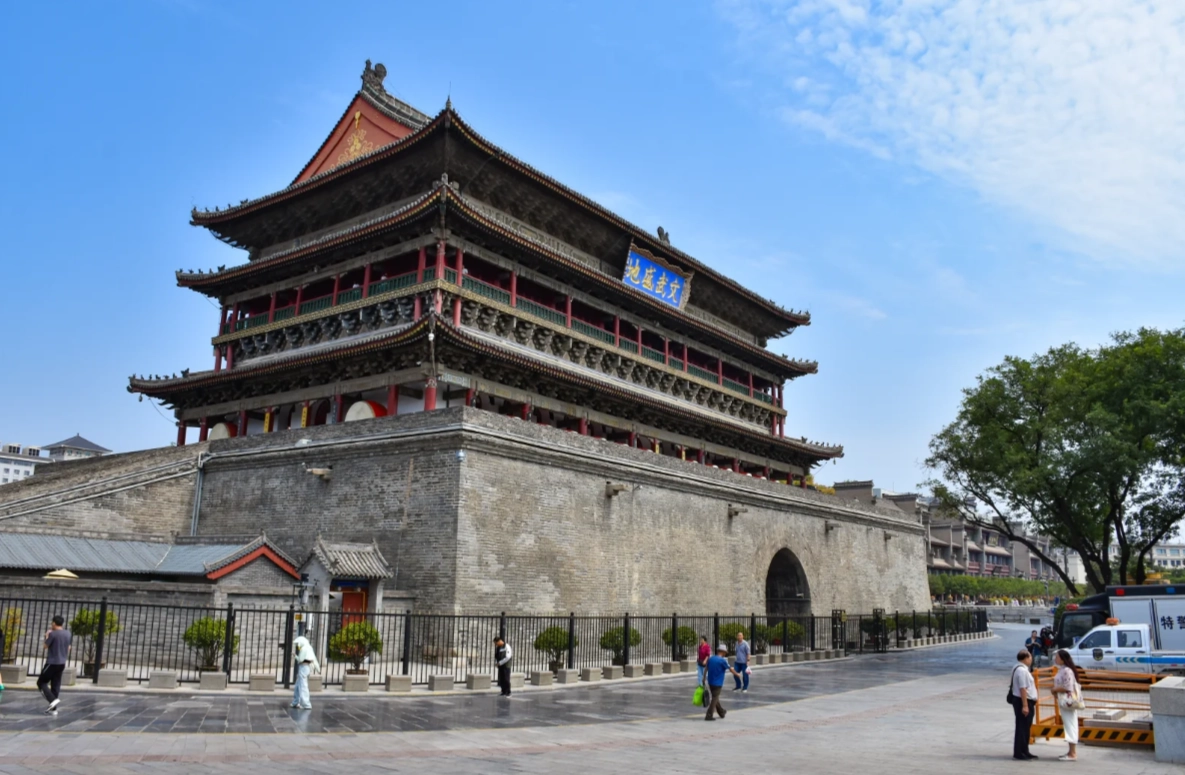
You climb a steep, ancient wooden staircase—watch your step, the treads are worn smooth by centuries. The main hall feels spacious and airy. The centerpiece is the massive "Night-Telling Drum", a replica of the original used to mark the watches of the night in ancient times.
But look beyond the big drum. The walls are lined with a collection of other drums from different Chinese dynasties and ethnic groups. The details on the drum stands and the painted beams overhead are where your eye should linger. The real magic, though, is walking around the exterior balcony.
The 360-degree view is the main attraction. To the south, the glittering roof of the Bell Tower. To the north and west, the sprawling, low-rise labyrinth of the Muslim Quarter, with its smoking grills and tangled alleyways. To the east, the modern skyline of Xi'an. It's the perfect visual summary of the city: ancient capital meeting vibrant modern life. You can see why this location was chosen for timekeeping—you have a command of the entire old city.
Drum Tower vs. Bell Tower: Which One to Climb?
Everyone asks this. With limited time or energy, which is better? I've been up both, multiple times. Here's my blunt breakdown.
| Feature | Drum Tower | Bell Tower |
|---|---|---|
| Primary View | Over the Muslim Quarter and old city lanes. Feels more "local" and chaotic in the best way. | Centered over the modern roundabout and major east-west/south-north avenues. More symmetrical and orderly. |
| Interior Focus | Drums, obviously. The collection is more varied and the cultural link to timekeeping feels stronger. | Bells. It's impressive, but can feel slightly more like a museum exhibit. |
| Crowd Level | Generally slightly less crowded than the Bell Tower. | Often the first stop for tours, so tends to be busier. |
| Photography | Better for atmospheric shots of traditional rooftops and street life. | Better for iconic, centered shots of the tower itself from the square below. |
| My Personal Pick | The Drum Tower. The view is more unique, the vibe less polished, and it directly overlooks your next destination (the food!). | Still worth it, but if I had to choose one, I'd go Drum Tower. |
The combined ticket is only 10 RMB more than a single Bell Tower ticket. If your legs can handle two steep climbs, get the combo. Do the Drum Tower first, then walk through the underground pedestrian passage to the Bell Tower. If you're picking one, I strongly recommend the Drum Tower for its more engaging context.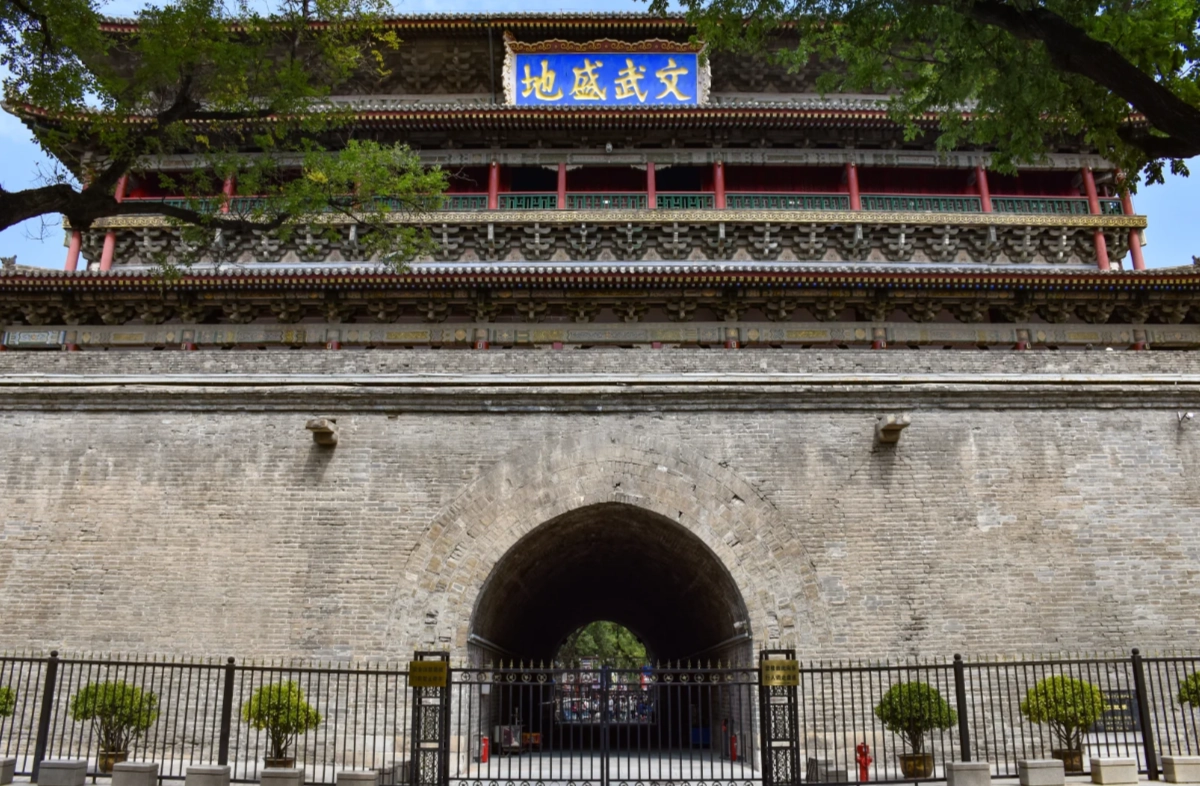
The Real Prize: Exploring the Muslim Quarter Food Scene
Visiting the Drum Tower without diving into the Muslim Quarter (Beiyuanmen Street) is like going to a concert and leaving after the first song. The tower is the gateway. The moment you descend the steps on its north side, you're hit with the scent of cumin, roasting meat, and baked bread.
This isn't a sanitized food court. It's a bustling, narrow street packed with stalls, family shops, and locals doing their shopping. Don't just grab the first thing you see. Walk a bit, see where the lines are. Here's what to look for, based on my own stomach's research:
Roujiamo (Chinese Hamburger): The king of Shaanxi street food. Flaky, baked bread stuffed with stewed, shredded meat (usually pork or beef). Don't get the pre-made ones sitting under a heat lamp. Look for a place where they're chopping the meat fresh off the hunk. The one from a stall about 50 meters in on the left, with a constant queue of elderly locals, has never steered me wrong.
Yangrou Paomo (Pita Bread Soaked in Lamb Soup): This is an experience, not just a meal. You get a bowl of flatbread pieces and two small, hard buns. You tear the bread into tiny, pea-sized bits—this is a social activity, take your time. Then they take it back, add lamb broth, meat, and noodles. It's hearty, warming, and deeply satisfying. Laosunjia Paomo is a famous name here for a reason.
Persian Pomegranate Juice: In autumn, you'll see mountains of fresh pomegranates. The vendors press them right in front of you. It's tart, sweet, and vividly red. The perfect palate cleanser between heavier dishes.
A word of caution: The main street gets incredibly packed in the evening. For a slightly more relaxed vibe with equally good food, peel off into the smaller alleys that branch off to the east and west. You'll find quieter family-run places serving the same classics.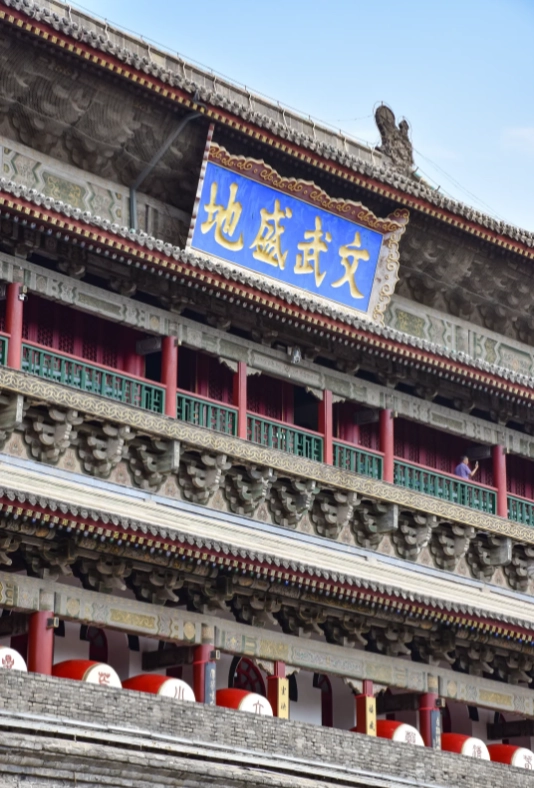
Answering Your Xi'an Drum Tower Questions
If you're just ticking a box, the square view is fine. But the interior and the balcony view provide the context that makes the structure meaningful. Seeing the drum collection and looking out over the old city grid makes you appreciate its historical function. The view north into the Muslim Quarter is a unique perspective you can't get anywhere else. For the price of a couple of coffees, I think it's worth it.
Start with the Drum Tower in the late afternoon (around 4 PM). Catch a drum performance, enjoy the view. Then, use the underground passage to visit the Bell Tower. By the time you finish, it'll be early evening—the perfect time to enter the Muslim Quarter from the Drum Tower's north side as the food stalls are hitting their peak and the lanterns are coming on. This sequence avoids the worst of the midday crowds and blends cultural sightseeing with dinner seamlessly.
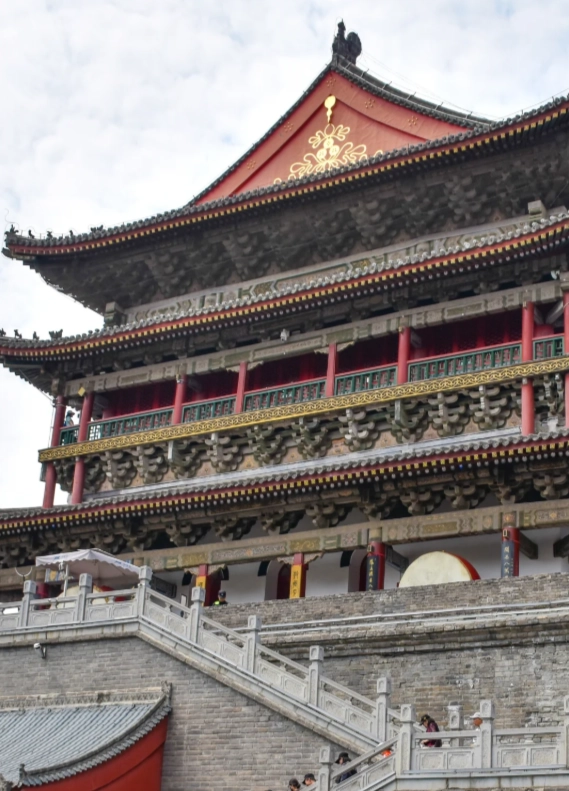 How accessible is the Drum Tower for visitors with mobility issues?
This is a major limitation. Access to the main hall requires climbing a very steep, historic wooden staircase with no elevator alternative. The square around it is flat and accessible, but going inside and onto the viewing balcony is not feasible for those who cannot manage stairs. The Bell Tower has the same issue. It's a significant downside of these ancient structures.
The short performances you see throughout the day are cultural demonstrations—costumed performers playing rhythmic pieces on replica drums. They're impressive. The actual ancient "ceremony" of beating the drum to mark the watches of the night is not recreated in full. Some tours might hype up a "ceremony," but manage your expectations. It's a performance, not a full historical re-enactment. Still, it helps bring the tower's purpose to life.
The Xi'an Drum Tower is more than a monument; it's a vantage point. It connects you physically and visually to the city's dual identity: the ordered, imperial capital represented by the Bell Tower to the south, and the vibrant, chaotic, living city of the Muslim Quarter to the north. Skipping the climb is easy. But taking those steps up gives you the story behind the postcard. Pair it with the food adventure that waits at its base, and you've got a perfect half-day in the heart of old Xi'an.
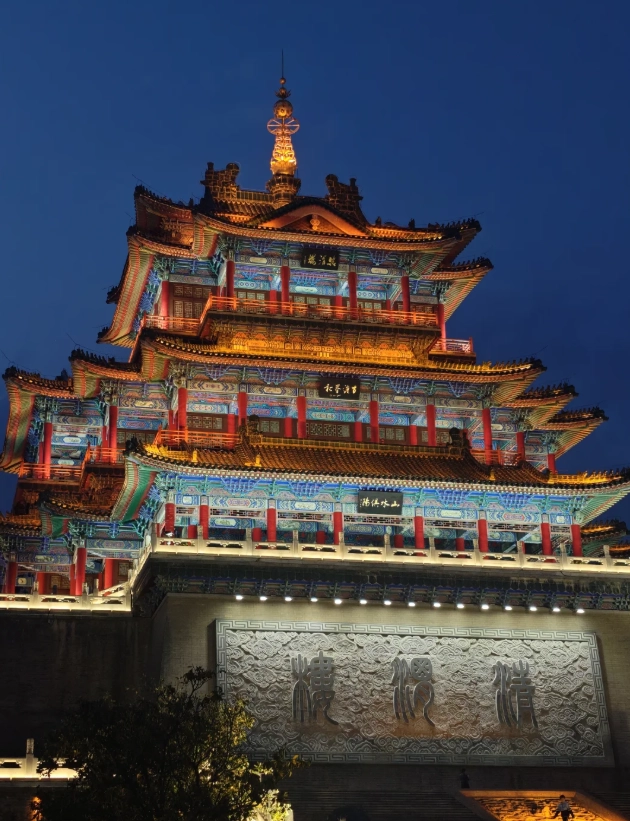
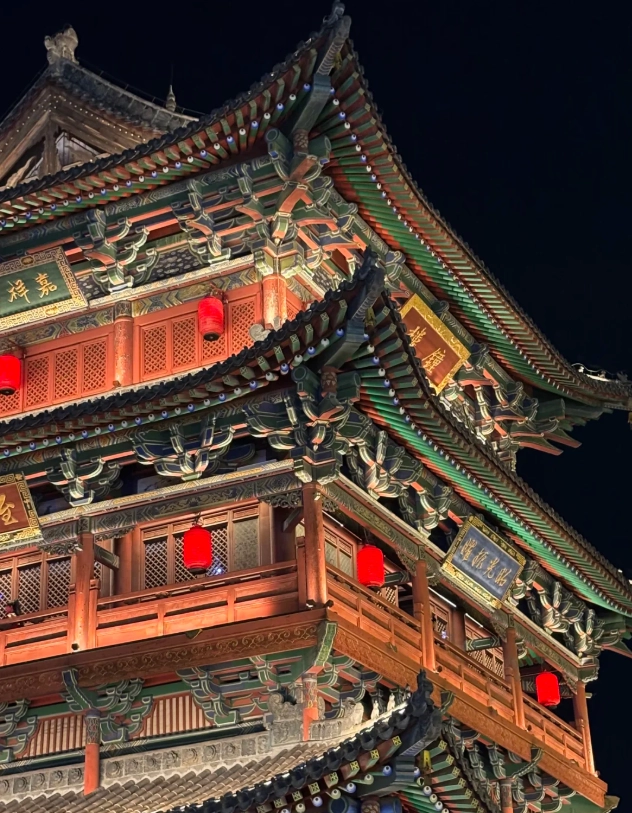





Honestly a bit disappointed. Maybe I had too high expectations. The drum tower is nice from the outside but the inside is mostly a small museum that felt rushed. The drum show was just okay – loud and repetitive. The Muslim Quarter is extremely touristy with overpriced food and constant hawkers. Couldn't enjoy a quiet walk because of the noise and crowds. The ticket price is fine, but I'd rather spend time at the City Wall or the Bell Tower instead. Just felt like a checkbox attraction.
Really enjoyed the tower – the views from the top are great, especially looking over the old city. The entrance fee is reasonable. However, we went on a Saturday afternoon and it was crowded. The line for the drum performance took about 20 minutes, and the performance itself was short (maybe 10 minutes). The Muslim Quarter was overwhelming with people and vendors pushing snacks. Still a fun experience, but I'd recommend going early morning or on a weekday to avoid the chaos. 4/5.
If you're into Ming dynasty architecture, this place is a must. The massive drums on display are fascinating – each one used to mark the time of day. The museum upstairs has some great artifacts and explanations. I loved that they still perform a daily drum ceremony; the rhythmic beating echoes through the square. The Muslim Quarter next door is a bonus – you can literally step from ancient China into a bustling bazaar. No complaints at all. Perfect half-day trip.
Came mainly for the Muslim Quarter and the drum tower was the cherry on top. The tower itself is well-preserved and you get a nice view of the surrounding hutong. But honestly, the street food is where it's at. Lamb skewers sizzling right on the curb, the smell of cumin and chili fills the air. We grabbed some cold noodles and a pomegranate juice – incredible. The tower is a solid photo op, but the real vibe is downstairs in the alleys. Five stars for the whole experience.
Absolutely stunning at sunset! The golden light hitting the drum tower makes it look even more majestic. We went around 5pm on a weekday and it was surprisingly quiet – no crowds at all. The drum show inside was energetic and really gave a sense of history. The Muslim Quarter just a block away is perfect for dinner afterward. Don't miss the biangbiang noodles and persimmon cakes. Totally worth the 30 yuan ticket. One of my favorite spots in Xi'an!
As a history nerd, I appreciated the detailed exhibits inside the Drum Tower – there's a nice timeline of how the drums were used for timekeeping. The building itself is beautifully restored. I'd recommend going in the early afternoon (around 2 PM) because the light streams through the windows and makes the calligraphy displays pop. The Muslim Quarter is just outside – overwhelming food choices, though I noticed some stalls weren't the cleanest. Still, a solid cultural experience. 4 stars because the souvenir shop overcharges big time.
I came for the Muslim Quarter and stayed for the Drum Tower view! The tower is perfectly situated – you can grab a lamb skewer from the street, eat it while looking up at the ancient architecture. I went around 7 PM when the lights on the tower turned on, and it was magical. The ticket is cheap (30 RMB) and the staff were friendly. Pro tip: climb to the top just before sunset – you get the golden hour photos and then see the whole quarter lit up. Best part of my Xi'an trip!
Honestly, I was a bit let down. The Drum Tower costs 30 RMB to enter, and once you're inside, it's basically a few drums and some historical photos. The climb up is narrow and the air conditioning was barely working on a hot day. The best time? Probably any time when it's less crowded – I went at 10 AM and it was still noisy. The Muslim Quarter nearby is cool but extremely touristy – overpriced skewers and constant hawking. For the price, I'd rather spend my money on a nice meal. 3 stars – it's okay, but don't expect too much.
The Drum Tower itself is impressive, especially the giant drums inside. Timing matters – I went at noon and it was packed with tour groups, so lines for the stairs took ages. The ticket (30 RMB for just the tower) felt a bit steep for the short visit. However, the Muslim Quarter right next to it is a total vibe – I spent hours hopping from stall to stall. Just be prepared for crowds and pushy vendors. Worth a visit, but maybe go early morning or late evening to avoid the rush.
Absolutely loved the Drum Tower! I went around 5 PM, bought the combo ticket with the Bell Tower for 50 RMB – great value. The view from the top at sunset is breathtaking, and the drum performances are a nice touch. Afterwards, I walked into the Muslim Quarter, which is literally steps away. The sheng jian bao (pan-fried buns) were insane! Highly recommend going in the late afternoon so you can see the tower in daylight and then watch the lights come on. 5 stars all the way!
We went right after lunch and regretted it – the sun was blinding and the tower felt like a sauna. The view was okay, but the Muslim Quarter below was packed with street food stalls that smelled amazing. We actually spent more time eating than on the tower itself. If I had to redo it, I’d go for the combo ticket with the Bell Tower maybe. Not bad, but not amazing either.
The Drum Tower is a solid 4-star experience. We visited on a weekday morning and it was quiet enough to enjoy the exhibits and the drumming show. The tickets were easy to buy online, and the staff at the entrance were friendly. My only gripe: the signage inside is mostly in Chinese, so non-Chinese speakers might miss some history. Still, the view over the Muslim Quarter is gorgeous.
I loved the energy around the Drum Tower at dusk. The lanterns start to glow, and the call to the drum sounds across the square – really atmospheric. The nearby Muslim Quarter is an absolute food paradise; we grabbed lamb skewers and cold noodles right after. Just a heads-up: the tower stairs are narrow and get crowded. Go early evening for the best vibe.
Honestly, the Drum Tower itself is nice but not mind-blowing. We went around 11am and it was already packed. The ticket (30 RMB) felt a bit steep for a 15-minute walk-through, but the view from the top over the Muslim Quarter rooftops was worth a quick photo. Would recommend combining with the Bell Tower ticket to save a few yuan. Not a must-see if you’re short on time.
Climbing the Drum Tower at sunset was absolutely magical. The view of the old city walls and the bustling Muslim Quarter below is something you can’t capture in photos. We bought the combo ticket with the Bell Tower and it felt like a steal. The drum performances upstairs were lively and well-timed. If you’re in Xi’an, this is a must-do – just check the show schedule so you don’t miss it!