 Peng Gao
Let's be honest. When you search for things to do in Xi'an, the Terracotta Army dominates every list. It's incredible, but it can also feel like a historical artifact behind glass. If you're craving an experience that feels more immersive, where you can walk through history rather than just look at it, that's where Tang Paradise (Datang Furong Garden) comes in. I spent a full day there recently, from afternoon sunlight into the glow of lanterns, and it shifted my perspective on what a cultural park can be. It's not a reconstructed ancient site; it's a sprawling, poetic homage to the Tang Dynasty's golden age, built on the original site of a royal garden. Think of it as a living museum where the architecture, performances, and landscapes are the exhibits.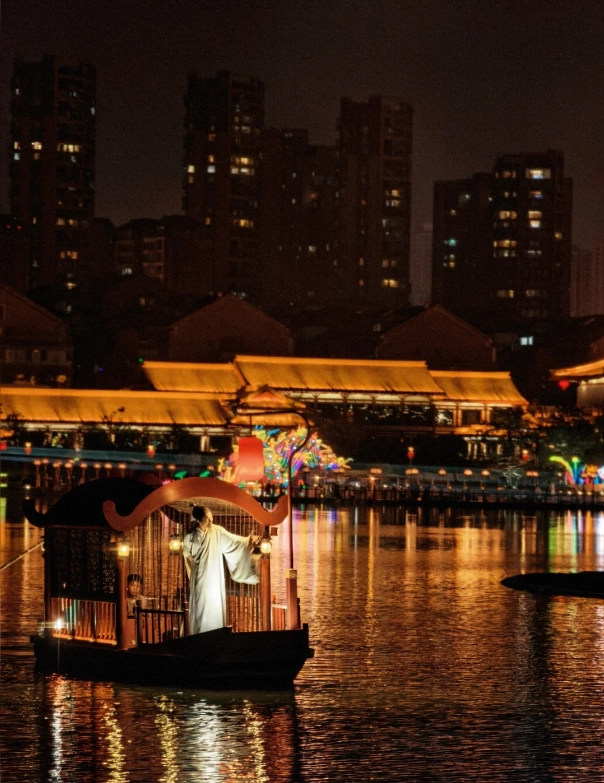
What You'll Find in This Guide
- Why Visit Tang Paradise Over Other Xi'an Sites?
- Tang Paradise Tickets, Prices, and Opening Hours
- How to Get to Tang Paradise: Transportation Options
- The Must-See Shows at Tang Paradise
- An Efficient One-Day Route Through the Garden
- Hidden Details and Personal Observations
- Your Tang Paradise Questions Answered
Why Visit Tang Paradise Over Other Xi'an Sites?
This is the core question. The Terracotta Army is about awe-inspiring scale and ancient craftsmanship. The City Wall is about physical perspective. Tang Paradise is about atmosphere and narrative. It's designed to make you feel the cultural zenith of the Tang Dynasty—its art, poetry, music, and cosmopolitan spirit. You're not just learning history; you're surrounded by it. The park is massive, over 66 hectares, centered around a vast artificial lake. Every pavilion, bridge, and garden path references a specific Tang poem or historical anecdote. For families, it's more engaging for kids than staring at pits of statues. For photographers, it's a dream, especially at night. For culture enthusiasts, the performances are arguably the best of their kind in the city.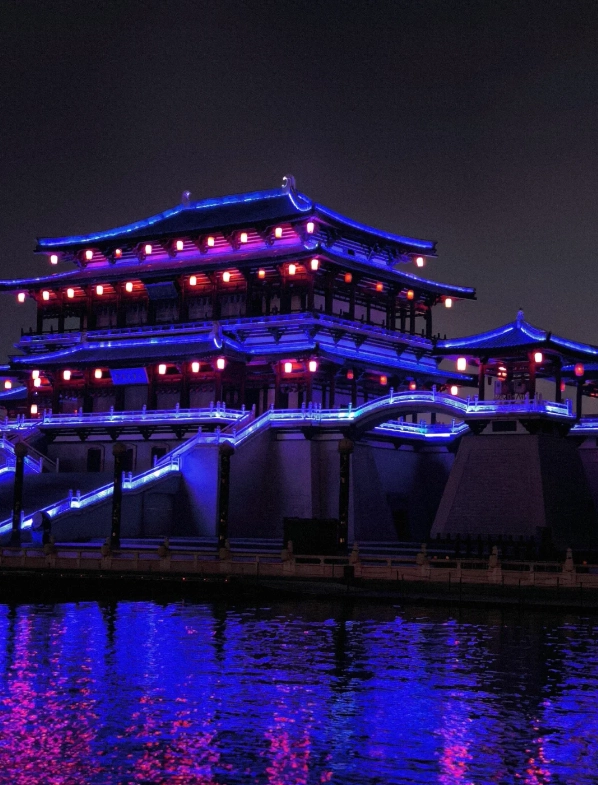
The Core Difference
Terracotta Army: Archaeological site. Passive viewing. Historical significance.
Tang Paradise: Cultural theme park. Active immersion. Artistic and atmospheric experience.
Tang Paradise Tickets, Prices, and Opening Hours
This is the practical stuff you need to book your day. Prices are straightforward, but the timing choice is critical.
| Ticket Type | Price (Approx.) | Notes |
|---|---|---|
| Day Ticket (9:00-22:00) | 120 RMB | Standard entry. Allows full-day access. |
| Night Ticket (After 18:00) | 90 RMB | Best value for most. You see the park lit up and catch the key show. |
| "Dream Back to Tang" Show Ticket | 218 - 388 RMB | Usually includes park entry. Prices vary by seat zone. Highly recommended. |
| Combo Ticket (Park + Show) | ~300 RMB | Check official channels for bundled deals. |
Opening Hours: The park is open from 9:00 AM to 10:00 PM, with last entry at 9:00 PM. However, individual indoor exhibition halls close earlier, typically around 5:30 or 6:00 PM.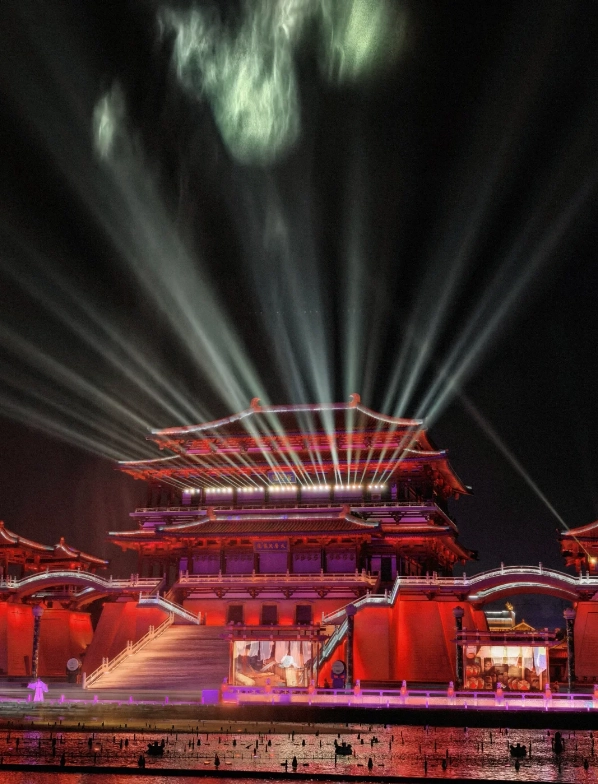
Here's my take on timing, which most generic guides miss: Arrive around 3:00 PM. Why? You get a solid 3 hours of daylight to explore the architecture and gardens, see the indoor exhibits before they close, then seamlessly transition into the magical evening atmosphere as the lights come on. You avoid the midday heat and crowds, and you're perfectly positioned for the evening water show and the main theatrical performance. Buying the day ticket for this schedule is worth it.
How to Get to Tang Paradise: Transportation Options
The park is located in the Qujiang New District, south of the central city. It's well-connected.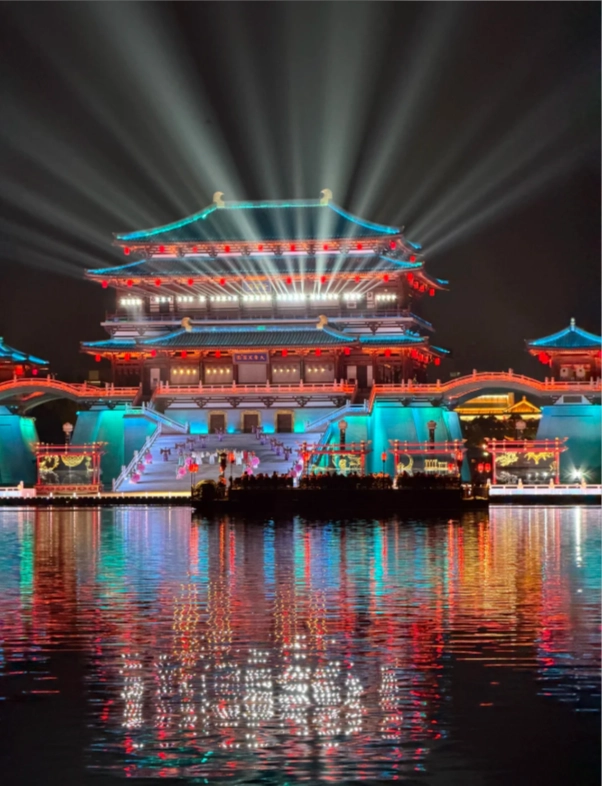
By Metro (Easiest & Recommended)
Take Metro Line 4 to Datang Furong Garden Station (Exit A). This is the most stress-free method. From the exit, it's a well-signed 5-7 minute walk to the main South Gate. If you're coming from the Bell Tower area, it's about a 30-minute metro ride.
By Taxi or Ride-Hailing
Simply tell the driver "Da Tang Fu Rong Yuan" (大唐芙蓉园). The South Gate is the main entrance. Traffic can be heavy near peak hours, so factor that in.
On Foot from Nearby Attractions
If you're visiting the Big Wild Goose Pagoda and its North Square earlier in the day, you can walk to Tang Paradise. It's a pleasant 15-20 minute stroll south through the Qujiang cultural precinct. This is what I did, and it helped build the anticipation.
The Must-See Shows at Tang Paradise
The performances are the soul of the experience. They're included with your park entry, but schedules and locations change daily. Grab a free map at the entrance with the day's showtimes—it's your essential tool.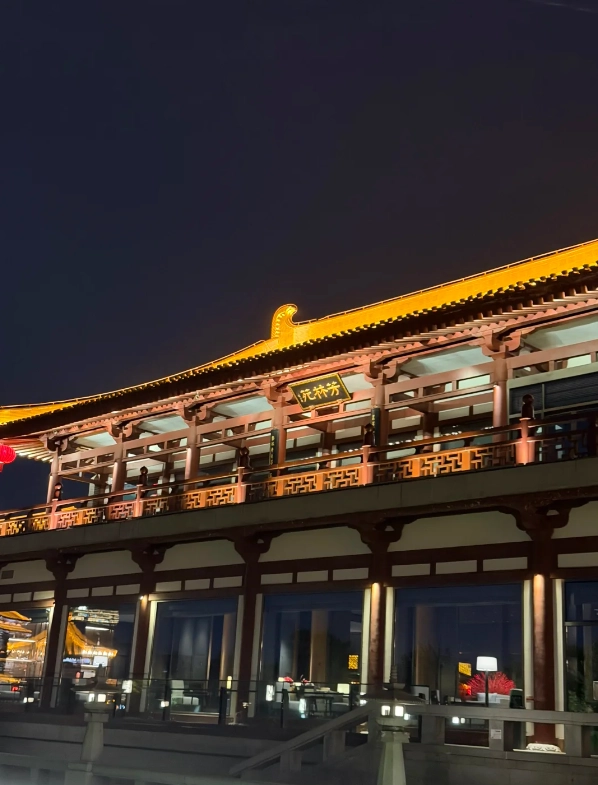
1. Dream Back to Tang Dynasty (《梦回大唐》)
This is the headline act, a large-scale song-and-dance extravaganza held in the Fengming Jiutian Theatre. It's a professional production with elaborate costumes, acrobatics, and stage effects that narrate the romance and splendor of the Tang era. It usually runs once per evening. Book in advance online if you want good seats, or be prepared to queue early. Is it cheesy at times? Sure, but the production value is high, and it’s genuinely entertaining.
2. Music, Dance, and Poetry Scattered Around the Park
These smaller, free performances happen on various stages and pavilions throughout the day. Look for:
- Lion Dance near the South Gate.
- Tang Dynasty Court Music performances in the Ziyun Tower area.
- Short poetry recitals or folk dances by the lake.
They're less crowded and offer intimate glimpses into different art forms.
3. The Nighttime Water Screen Film & Laser Show
This happens on the main lake after dark. Images and films are projected onto a screen of water mist, accompanied by lasers and music. It's visually impressive, especially for first-time viewers. Find a spot along the northern shore of the lake early, as it gets packed. The content can be abstract, but the spectacle is the point.
An Efficient One-Day Route Through the Garden
With so much ground to cover, a plan helps. Here's the route I followed and refined:
Afternoon (3:00 PM - 6:00 PM): Exploration & Architecture. Enter via the South Gate. Walk straight to the iconic Ziyun Tower, the park's central landmark. Climb it for a panoramic view—it orients you. Then, wander the Tang Market Street area to your west. It's less about shopping (prices are high) and more about the atmosphere. Next, head to the Furong Lake and cross the Lotus Bridge. Explore the quieter Poetry Garden on the eastern side, where stone tablets are engraved with famous Tang poems. This area feels scholarly and peaceful.
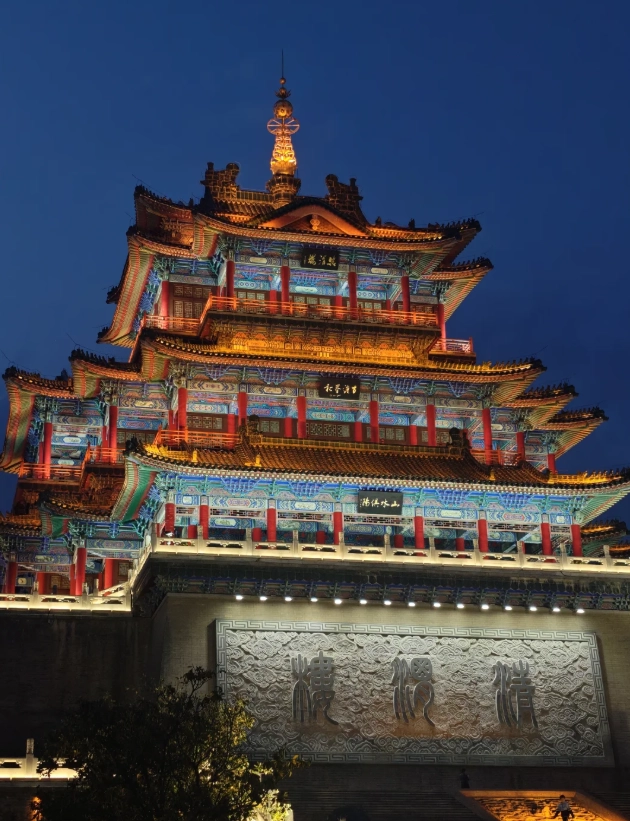
Evening (6:00 PM - 7:30 PM): Transition & Dinner. As the sun sets, the thousands of lanterns and building lights begin to illuminate. This is the best photo time—the "blue hour." The entire park transforms. For dinner, I'll be blunt: the food options inside are overpriced and mediocre tourist fare. I'd recommend grabbing a quick snack inside if you're hungry, or better yet, plan to eat a late dinner outside the park afterwards. The Qujiang area has excellent local restaurants.
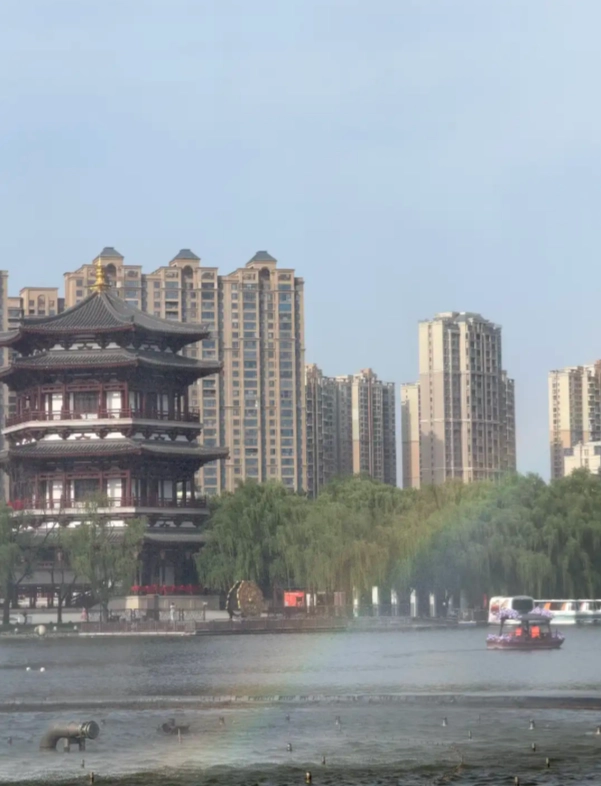
Night (7:30 PM onward): Performances & Magic. Check your show schedule. Secure your seat for the Dream Back to Tang show if you have a ticket. Afterwards, find a spot for the Water Screen Show. End your night with a leisurely stroll back around the lit-up lake. The reflections of the pagodas and pavilions on the water are unforgettable.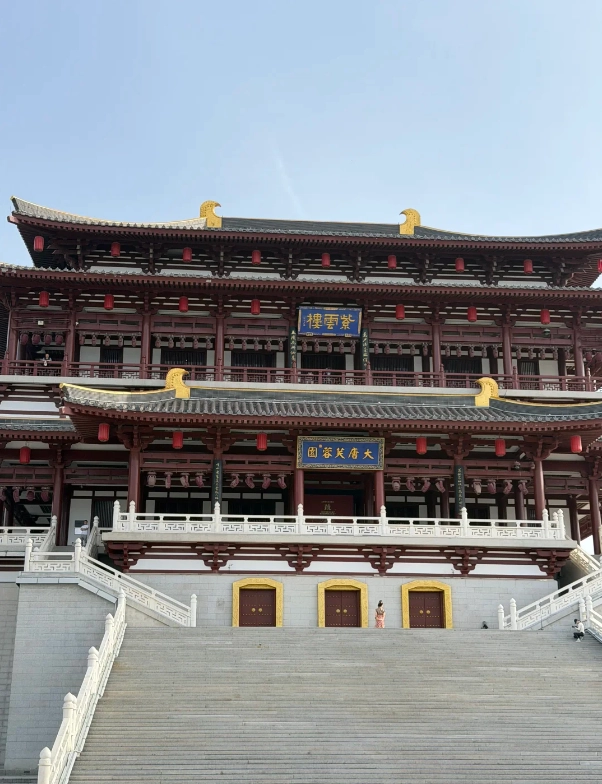
Hidden Details and Personal Observations
This is where a real visit adds value. Things you won't find on a basic factsheet.
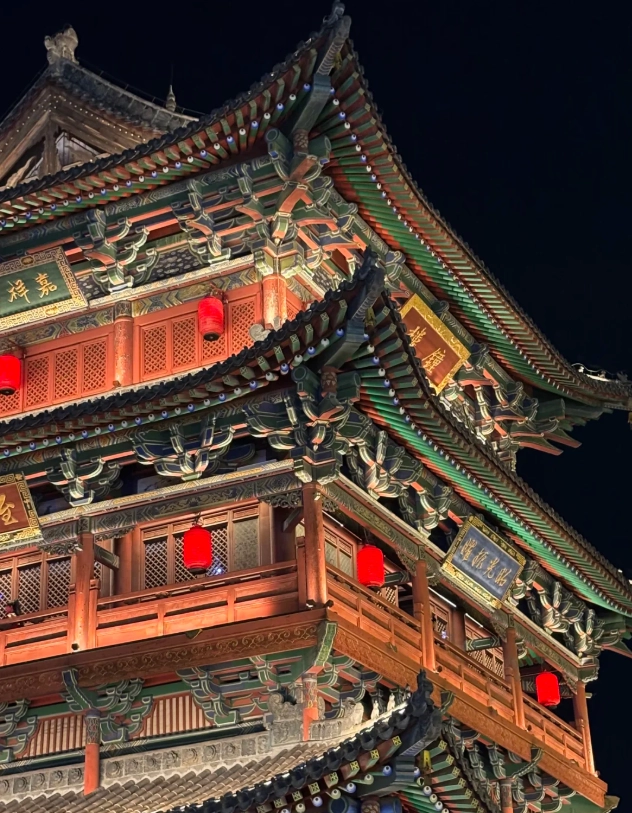
The texture of the buildings is worth noticing. While it's a modern construction, the craftsmen used traditional methods for the painted beams and roof ornaments. Up close, you can see the detail. The stone carvings along the lake paths often tell specific stories—if you see a group of Chinese tourists listening intently to a guide, edge closer; you might catch an interesting tale.
One subtle mistake visitors make is rushing from one show to the next. The space between the performances is where the park's charm settles in. Sitting on a bench by the Lotus Pond, watching the light fade on the curved roofs, hearing the distant echo of rehearsal music—that's the mood you're there for.
Also, the park is surprisingly wheelchair and stroller-friendly, with paved main paths. However, some of the smaller, more poetic garden paths have steps and are less accessible.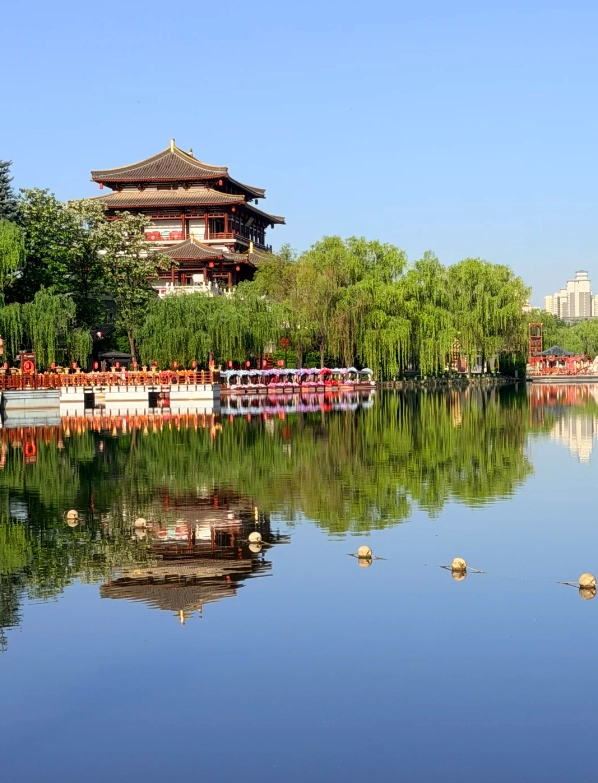
Your Tang Paradise Questions Answered
 How crowded does Tang Paradise get?
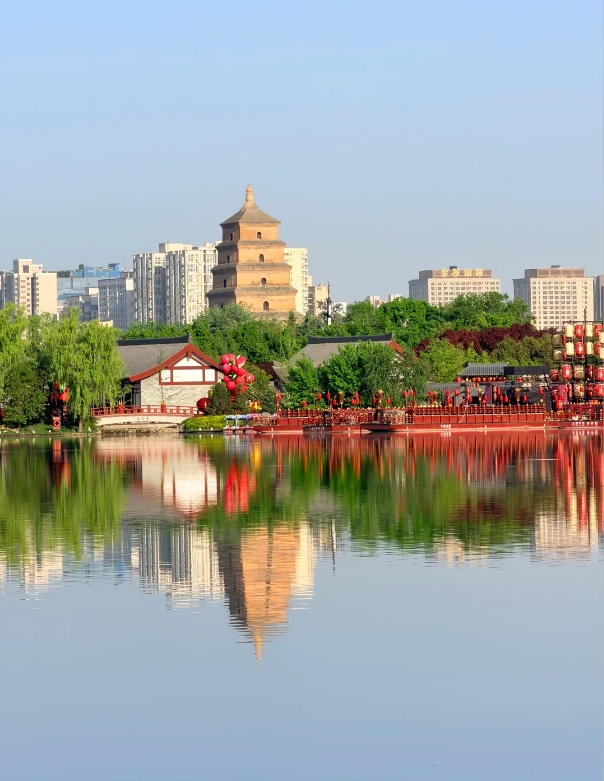 Tang Paradise isn't an ancient relic; it's a modern love letter to an ancient culture. It requires you to meet it halfway, to embrace the spectacle and the staged beauty. If you do, you'll leave with a sensory-rich memory of the Tang Dynasty's elegance that no textbook or archaeological site can provide. It fills a different, equally important, niche in the Xi'an experience.
This guide is based on a personal visit and cross-referenced with current information from the official Tang Paradise management and the Xi'an Municipal Culture and Tourism Bureau.





Went with my wife and two kids (ages 6 and 9) and everyone had a blast. The kids loved the fish in the lake and the little bridges, and we all enjoyed the fountain show – it's huge and the music sync is perfect. Plenty of benches to rest, clean restrooms, and the paths are stroller-friendly. We brought our own water and snacks so didn't spend much inside. A perfect half-day trip that blends history with fun. Highly recommended for families!
Best attraction in Xi'an after the Terracotta Warriors, in my opinion. I loved how spacious it is – you never feel cramped even with lots of visitors. The replica buildings are incredibly detailed, and I learned so much about Tang Dynasty culture from the small museum exhibits inside. We also rented a Hanfu dress for photos and it was so much fun. The staff at the rental shop were super friendly and helped us with styling. Definitely recommend.
Absolutely blown away! This place is a must-see in Xi'an. I went in the evening and the transformation with all the lanterns and reflections on the lake is pure poetry. The 'Dream Back to Tang Dynasty' performance was one of the best I've ever seen – costumes, music, choreography all top-notch. Even walking through the gardens felt like stepping into a historical drama. Bring your camera and plan to stay until closing. 10/10 would go again.
A solid 4 stars from me. The architecture and landscaping are stunning, especially the lake and willow trees. We went for the afternoon and stayed for the night show – the laser lights on the water were magical. Only reason I'm not giving 5 is that the food court was chaotic and the souvenir prices are ridiculous. Also, the staff at the ticket booth wasn't very helpful with my questions. But overall a great cultural experience.
Visited on a weekday in October and honestly it was a bit of a letdown for the price. The grounds are beautiful, no doubt, but the crowds were still massive and the main shows felt rushed and overpriced. We grabbed some snacks inside which were mediocre and cost a fortune. If you go, skip the paid shows and just wander the gardens – that part is free-ish if you already paid entrance. Not a bad day, but expected more for the hype.
I came for the cultural vibe but left a bit let down. The garden itself is beautiful, but the food options inside are mediocre and overpriced. Also, the 'interactive' activities like calligraphy and Tang dancing felt more like money grabs than authentic experiences. The main stage performance was good, just not enough to justify the high entrance fee.
As a photography enthusiast, this place is a dream. I spent hours capturing the golden hour light on the wooden bridges and lotus ponds. The nightly light show is incredibly well choreographed. However, I'd recommend going on a weekday to avoid crowds — weekends are packed with tour groups. Still, totally worth the trip.
Decent experience overall. I rented a Tang-style hanfu nearby and walked around taking photos — the architecture is gorgeous for that. The garden is huge so wear comfortable shoes. The only downside was the long line for the restrooms and overpriced snacks inside. Still, a solid 4/5 if you plan your visit right.
Honestly, I expected more for the ticket price. The garden is pretty but felt overpriced compared to other parks in Xi'an. The layout was confusing and some areas were under maintenance. The staff at the entrance were not very helpful when I asked for a map. The lake is nice but I wouldn't go out of my way again.
Absolutely stunning! I visited Datang Furong Garden during the lantern festival and the whole place was glowing. The lake reflections of the Tang-style pavilions were magical. We caught the evening performance 'Dreaming of the Tang' and the water screen show left me speechless. Definitely the highlight of my Xi'an trip. Worth every penny!
Great outing for families! Our kids (ages 7 and 10) loved the giant water screen movie and the costumed performers walking around—they even let us take photos. The park is huge so bring comfortable shoes. We spent about 4 hours and still didn't see everything. The only reason I'm not giving 5 stars is that the souvenir shops inside are way overpriced, and the queue for the popular snack stall took 30 minutes. Still, a memorable day.
Honestly a bit let down. I was excited about the Tang Dynasty theme, but it felt more like a theme park than a historical site. The crowds were insane—so many selfie sticks and loud groups that I couldn't enjoy the views. The food court was overpriced and mediocre. The light show was cool, but waiting 40 minutes for a good spot was exhausting. For the entrance fee, I expected better organization. Maybe it's just not my thing.
A solid 4-star experience. The gardens are beautifully maintained and the architecture is impressive. We rented a boat on the lake which was relaxing, but the ticket price felt a bit steep for what you get if you're not catching a show. The staff were friendly enough, though the English signage was limited in some corners. Worth a visit, but maybe go on a weekday to avoid the huge tour groups.
Best cultural park I've visited in China. The live performance 'Dream Back to the Tang Dynasty' was incredibly well choreographed—huge cast, beautiful costumes, and the use of water and lasers was unexpected but awesome. I also loved the little street food stalls inside, they had some authentic Xi'an snacks. Only downside? It gets crowded, but that's no surprise for a place this good. Highly recommended!
Absolutely magical! We went during the evening and the whole park was lit up like a dream. The fountain show with the soundtrack gave me chills—definitely the highlight. The replica Tang Dynasty buildings are stunning and you can really feel the history. Even the side paths with lanterns were perfect for photos. I'd come back just for the night scenery. Do yourself a favor and stay until closing!