 Peng Gao
Let's be clear upfront: you don't come to Taibai Mountain National Forest Park for a shopping spree. You come for the dizzying heights, the ancient glaciers, and the feeling of being on the roof of eastern China. But that's exactly why the shopping here is interesting. It's not about generic souvenirs; it's about practical mountain gear, wild-foraged local products, and a few genuine keepsakes that actually connect to the place. Most guides get this wrong, sending you to overpriced stalls by the ticket office. After multiple visits, I've learned where the real value is—and it's often not where you'd expect.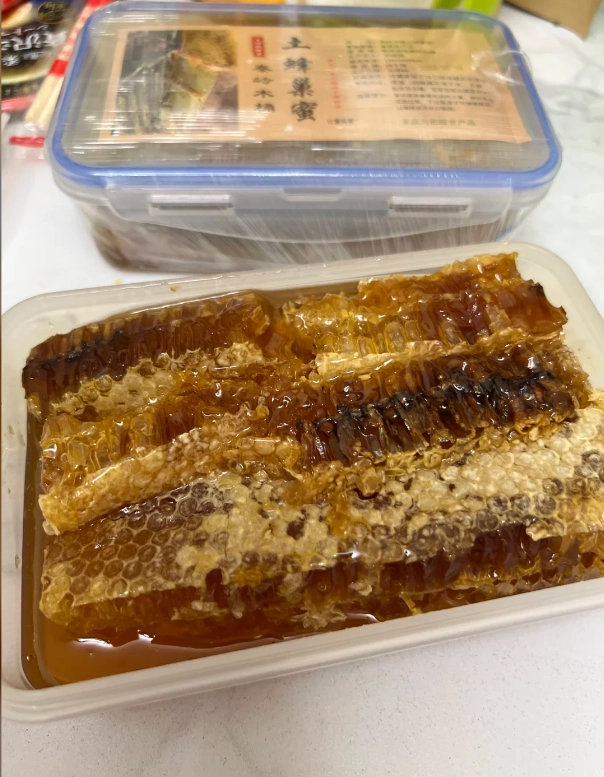
Your Quick Navigation to Taibai Mountain Souvenirs
Where to Shop: The Three Real Shopping Zones
Forget a single "shopping street." Shopping at Taibai Mountain is situational, tied directly to your point on the trail. It breaks down into three distinct areas, each with its own character and purpose.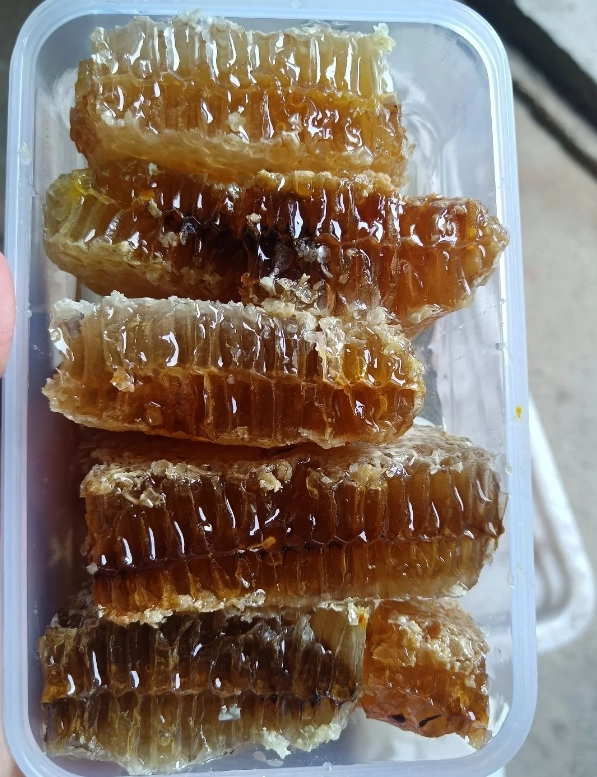
1. The Tourist Center & Tangyu Town (The Base Camp)
This is your preparation and post-hike zone. The area around the main Taibai Mountain Tourist Center and the nearby Tangyu Town is a practical strip. I wandered here the evening before my big hike.
What you'll find: This is your last chance for forgotten gear. Shops sell bamboo hiking poles (¥15-30), cheap rain ponchos (¥10), hats, gloves, and basic snacks. The quality is functional, not fantastic. The real action for foodies is after your descent. Several small family-run shops along the main road sell local products. Look for the ones with glass jars full of dark honey and dried herbs on display, not the flashy neon signs.
Best time: Late afternoon or early evening, after the day's hikers have returned. Shopkeepers are more relaxed and chatty.
2. The Cable Car & Mid-Mountain Hubs (The Opportunistic Pit-Stop)
At the cable car upper stations (like Fowan Temple) and the main mid-mountain bus transfer points, you'll find small clusters of stalls. This is pure opportunistic shopping. The prices are marked up for captive audiences. A bottle of water that costs ¥2 at the base is ¥8 here. A simple hiking pole might be double.
My rule here is simple: only buy what you desperately need to continue safely. Need an extra layer because the temperature dropped unexpectedly? This is your spot. Forgot your gloves? Buy them here. But do not buy any "local honey" or "specialty tea" from these stalls. It's the same mass-produced stuff you can find anywhere, just with a Taibai Mountain sticker slapped on it.
3. The Roadside Stalls on County Road S210 (The Treasure Hunt)
This is the secret most tourists driving themselves miss. On County Road S210, leading away from the park towards Baoji or Xi'an, you'll start seeing hand-painted signs and simple stalls manned by local farmers. This is where the authentic goods are.
I pulled over at one such stall about 8 km from the park exit. An older couple was selling walnuts, dried persimmons, and several jars of honey. The honey wasn't in fancy bottles; it was in large, unlabeled glass containers with the comb still visible inside. The shifu (master, a respectful term) explained it was from his own bees foraging in the mountain foothills. He let me taste a small spoonful—the flavor was complex and floral, nothing like supermarket honey. This is the kind of place where your money goes directly to the producer. No fixed hours; they're there when they have produce to sell, typically from 9 AM until dusk.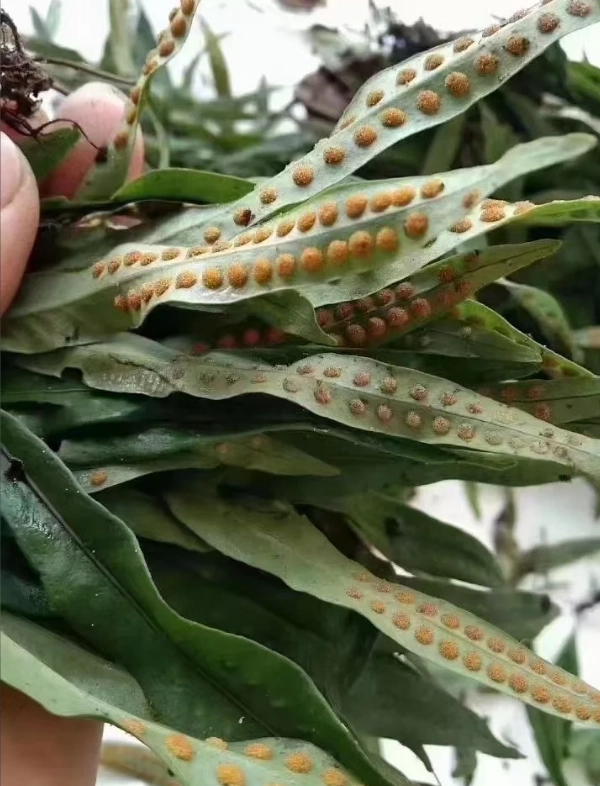
What to Buy: A Realistic Shopping List
Based on what's actually worth your money and backpack space, here’s my ranked list.
| Item | What to Look For | Where to Buy | Price Range (RMB) | Insider Tip |
|---|---|---|---|---|
| Raw Local Honey | Cloudy, crystallized texture is good. Visible bits of wax/pollen. Thick, slow-moving. Ask about the flower source (acacia, wildflowers). | Roadside stalls on S210, trusted family shops in Tangyu. | 40 - 80 per 500g | Avoid perfectly clear, runny honey in branded shapes (like bears). That's often heated and filtered, killing nutrients. |
| Wild Mountain Herbs & Teas | Danggui (Angelica), Huangqi (Astragalus), Gouqi (Goji Berries). They should smell earthy and strong, not dusty or musty. | Same as honey. Sometimes sold in simple cloth bags. | 20 - 60 per bag | Know what you're buying. Some herbs have specific medicinal uses. Just buying "mountain tea" might get you a bland mix. |
| Dried Persimmons & Walnuts | Persimmons should be pliable, not rock-hard, with a natural white bloom (sugar). Walnuts should feel heavy for their size and rattle slightly. | Roadside stalls, farmer's markets in nearby towns. | 15 - 30 per bag | A perfect snack for the journey home. Much better than airport food. |
| Bamboo Hiking Staff | Straight grain, no major cracks. A comfortable grip diameter. Often has a rubber tip. | Shops at the Tourist Center before you ascend. | 15 - 30 | Buy it at the start. It's a lifesaver on the stone steps and becomes a unique, functional souvenir. |
| "Taibai Four Treasures" Liquor | A local herbal spirit. For enthusiasts only. Comes in distinctive ceramic bottles. | Larger specialty shops in Tangyu or Baoji city. | 100 - 300+ | This is a niche item. Don't feel pressured. It's strong and herbal-tasting. |
The One Thing to Skip: Those small, painted pebbles or mass-produced keychains with "Taibai Mountain" engraved. They are almost certainly made far away from here. Your photo from the peak is a better memory.
How to Shop Like a Local (Payment & Haggling)
The shopping etiquette here is a mix of modern China and rural tradition.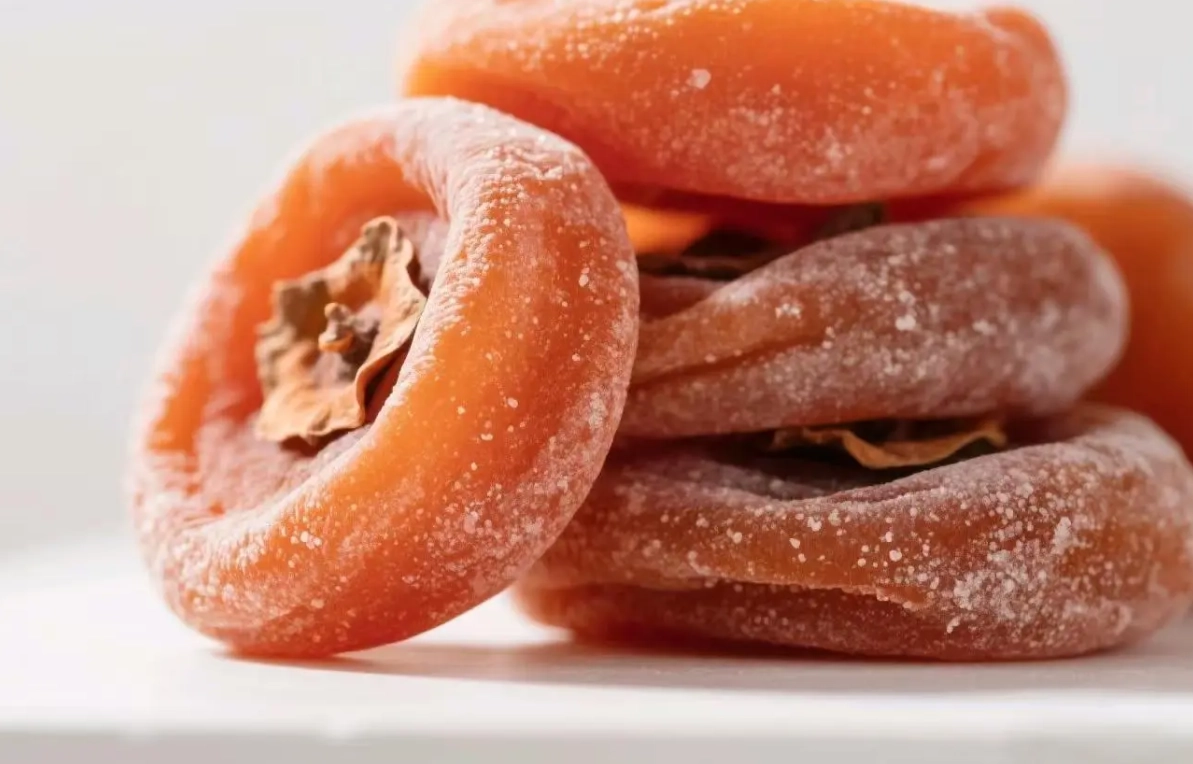
Payment: Assume cash (RMB) is king, especially at roadside stalls. While WeChat Pay and Alipay are ubiquitous, older farmers might not have it set up, or their signal might be poor. In the established shops in Tangyu, mobile payment is fine. International credit cards are a no-go outside of maybe one or two big hotel gift shops—don't rely on them.
Haggling: This isn't a Shanghai silk market. Don't aggressively haggle over 5 RMB with a farmer selling his own honey. It's disrespectful. In tourist shops selling generic goods (hiking poles, raincoats), you can try a simple, polite, "Neng pianyi yidian ma?" (Can it be a little cheaper?). You might get 5 RMB off a 30-RMB pole. For unique, high-quality local products from a producer, the price is often fair. Instead of haggling, show genuine interest. Ask questions about how they make it. That connection often leads to them offering you a better price or a small extra anyway.
I remember buying honey from the roadside couple. I asked about his bees, the season. We chatted for ten minutes. When I went to pay, he filled my jar a little more and refused to round up the price. That's the real transaction.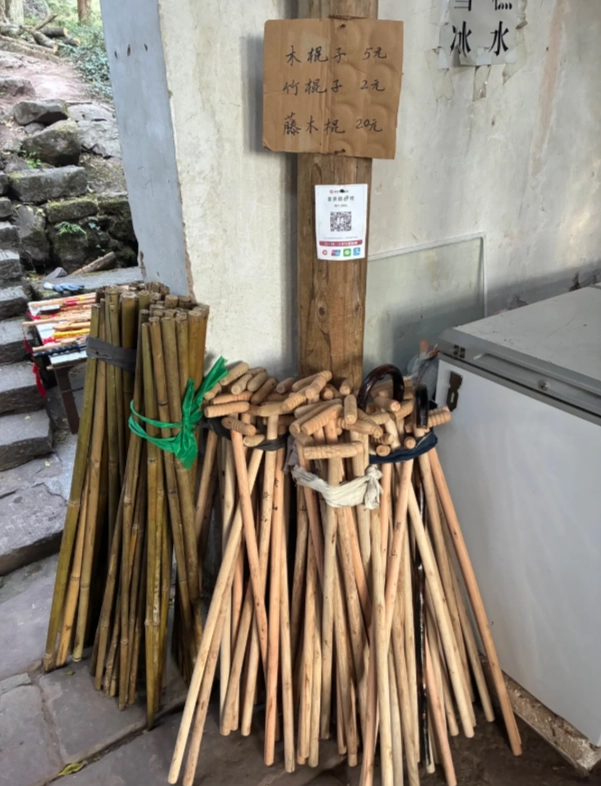
 Taibai Mountain shopping isn't about filling a suitcase. It's about picking up a useful staff for the climb, tasting the real flavor of the region in a spoonful of honey, and maybe taking home a bag of walnuts that actually came from the trees you hiked past. Focus on the experiences and the few, genuine products that tell the mountain's story. Skip the rest, and save your energy for the breathtaking views.
This guide is based on multiple personal visits and conversations with local vendors. Details like specific roadside stall locations are observational and may vary seasonally.






Came back from Taibai last week and this guide saved me so much time. The walking route they mapped out took me past all the key shops without any backtracking. I especially appreciated the note about the 'second-floor calligraphy gallery' that most tourists miss — bought a scroll there that I'm framing. Exactly what I needed.
I loved how this guide didn't just list products but explained the cultural stories behind them — like the legend of the 'divine stones' and why locals believe taibai herbs are special. The recommendation for the family-run shop selling cinnabar seals was a gem. Perfect for someone wanting souvenirs with meaning.
Honestly a bit disappointed. I visited Taibai last month and tried to use this guide, but about half the shops they listed for the 'old street' had already closed or moved. The price ranges for the honey and walnuts were also outdated — everything was at least 20% more expensive. Maybe it was useful a year ago but not now.
Really solid guide overall. The section on local herb shops was detailed and I found some amazing wild ganoderma at the store they suggested. Only giving it 4 stars because I wish they'd included a tip on bargaining — the prices at the touristy stalls were way higher than what locals pay. Still, it got me exactly what I wanted.
This shopping guide was a lifesaver! I followed the recommended route for picking up taibai ginseng and dried mushrooms, and the prices listed were spot-on. The map of the main market area made it so easy to navigate. I ended up buying a beautiful hand-carved wooden tea tray that the guide mentioned. Highly recommend reading this before you go.
Ended up buying a small carved wooden Buddha from a street vendor near the east parking lot. Not the most unique item, but the wood has a nice grain and the price was cheap (¥35). Good little keepsake without breaking the bank. Also liked that the vendor didn't pressure me into buying more.
Came for the famous Taibai Cloud-Wu tea. The tea house by the waterfall had a lovely tasting session, but the leaves they sold me turned out to be a lower grade than what I sampled. Felt a bit cheated because I paid premium price. Tastes okay, just not the same complexity. Would ask to see the actual bags next time.
The food stalls near the cable car station are a hidden gem! Got some dried persimmons and hawthorn rolls that are way better than the packaged stuff in town. The old lady running the stall threw in an extra bag of nuts for free. Super friendly and the quality feels homemade.
Bought a hand-painted folding fan from a small shop halfway up the trail. The artist was actually painting on site, which was cool. But the fan started shedding paint the next day when I opened it. Kind of disappointing for the price (¥120). Maybe stick to the more established stores near the base.
Picked up some amazing wild ganoderma mushrooms at the market near the main gate. The vendor even showed me how to tell real ones from fakes by the smell and texture. Prices were fair, not as tourist-inflated as I expected. Definitely a must-stop for anyone into herbal souvenirs.
Not bad, but could be much better. The section on local snacks was good, but the writer totally ignored the famous Taibai medicinal liquor – that’s a huge miss. Also, the guide said the market in Town Center opens at 9am, but when I showed up at 8:45 they were already closing? Very confusing. Saved me a little time, but I had to fill in a lot of blanks myself.
Honestly, this guide was a lifesaver. I’m the type who hates bargaining, and the article gave me exact price ranges and polite phrases to use. The recommendation for the small family‑run shop behind the temple was spot‑on – I found the best wild honey there. My only tiny complaint is that it could include a few more photos of the actual products. Otherwise, perfection.
Decent list but felt a bit generic. It mentioned the ‘famous’ stone carvings but didn’t explain how to spot quality ones – I ended up buying a piece that started chipping after two days. Also, the pricing info was outdated; some of the ‘under 50 yuan’ items were actually double that. Got the job done for a rough idea, but don’t rely on it blindly.
Very helpful overview for first‑timers like me. I appreciated the section on where to find authentic Taibai tea vs tourist traps. The map links were a nice touch, though I wish the opening hours for the smaller stalls were included. Still, I managed to grab a nice set of bamboo carvings thanks to this guide. Highly recommend for anyone planning a shopping day after the hike.
This guide saved my trip! I was completely lost on what souvenirs to buy at the base of Taibai. The article clearly broke down the must-buy items like the wild mushroom collection and the local medicinal herbs. Even better, it pinpointed exactly which shops near the East Gate have the best prices. I followed the recommendation for the handmade sachets and got one for my mom – she loved it. Five stars, no notes.